

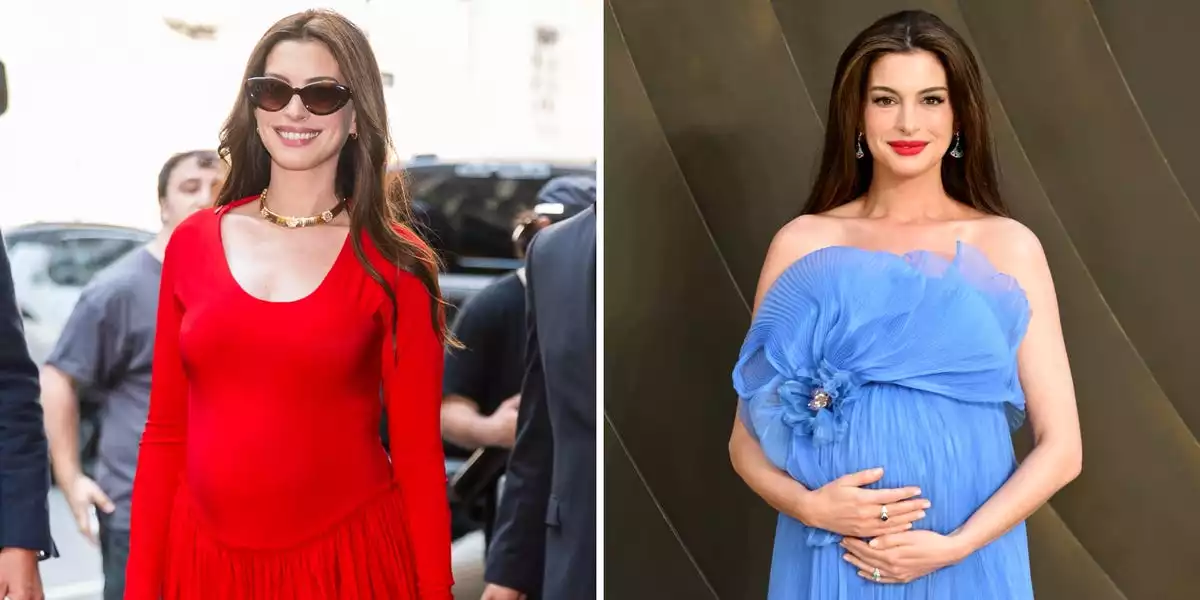

A celebrity milestone as a modern media engine—where Instagram sets the agenda
Anne Hathaway’s June Instagram announcement of her third pregnancy did more than deliver a personal update; it activated a social-first communications model that now defines how celebrity narratives travel through the business of entertainment and luxury. In a landscape where attention is increasingly won on mobile screens before it is reinforced on red carpets, Hathaway’s choice of Instagram as the primary channel effectively turned a life event into a coordinated, high-velocity media moment—one that fashion outlets, entertainment press, and fan communities could instantly amplify.
The mechanics are familiar to brand strategists: a high-authenticity personal message triggers earned media, which then cascades into search demand, social reposting, and editorial coverage. What stands out here is the speed and clarity of the signal. A pregnancy announcement—already culturally resonant—became a reliable anchor for ongoing storytelling, giving every subsequent public appearance a built-in narrative hook. For marketers, this is the current gold standard: a repeatable content premise that can be refreshed across weeks and months without feeling manufactured, because the underlying story is real.
Key elements of this playbook are visible in how the news traveled:
- Platform primacy: Instagram functions as the “source of truth,” while traditional media becomes the amplification layer.
- Narrative continuity: each appearance extends the story rather than restarting it, sustaining engagement over time.
- Cross-vertical pickup: fashion, film, and lifestyle media all have a reason to cover the same moment—multiplying reach without multiplying spend.
Maternity style moves from functional category to high-margin fashion narrative
Hathaway’s sequence of maternity looks—ranging from bold cutouts and mesh beading to sculptural florals—highlights a structural shift in apparel: maternity wear is no longer treated as a purely functional subcategory. Instead, it is increasingly positioned as an expressive, premium segment with its own trend cycles, aesthetic experimentation, and brand signaling power.
This matters commercially. With maternity wear projected to grow at a mid-single-digit CAGR globally, the category is becoming more attractive to brands seeking resilient, lifecycle-driven demand. Hathaway’s visibility accelerates that shift by demonstrating that maternity dressing can sit credibly within the same cultural space as couture, red-carpet fashion, and luxury craftsmanship. In effect, it reframes maternity not as a temporary wardrobe problem, but as a high-intent purchasing window—a period when consumers may be more willing to invest in comfort, fit, and confidence.
For luxury houses and premium contemporary labels, the opportunity is twofold:
- Product innovation: adaptable fits, modular construction, and comfort-forward engineering can coexist with high design.
- Operational agility: shorter lead times and flexible sizing strategies become competitive advantages, especially when demand is influenced by viral celebrity imagery.
Emerging technologies are likely to play a growing role here. Brands exploring 3D-knit, adjustable patterning, and modular design can respond faster to trend signals while reducing overproduction risk—an important consideration as maternity purchases can be time-sensitive and fit-dependent.
The “The Odyssey” effect: synchronized calendars across Hollywood and luxury fashion
The most commercially instructive dimension of Hathaway’s moment is how seamlessly it aligns with the promotional runway for her latest film, “The Odyssey.” Each public appearance operates as dual-purpose media: a maternity fashion statement and a film-marketing touchpoint. This is not merely celebrity coincidence; it reflects a broader evolution in campaign architecture where studios and fashion brands increasingly benefit from shared attention economics.
For film studios, the upside is incremental buzz that feels organic—coverage that doesn’t read like advertising because it is attached to a human story. For fashion houses, the red carpet remains a high-impact distribution channel, but it now performs best when it is tightly integrated with social content and editorial narratives. The result is a symbiotic loop: entertainment visibility drives fashion interest, fashion coverage sustains entertainment awareness, and both are reinforced by social engagement metrics.
Hathaway’s brand mix—pairing a top-tier house like Dior (under Jonathan Anderson) with emerging labels such as Ashlyn—also signals a sophisticated reach strategy. It allows her style narrative to travel across audience segments and price tiers, while giving both established and rising brands a place in the conversation. From a business perspective, this is a reminder that modern influence is rarely monolithic; it is built through portfolio thinking, not single-brand exclusivity.
Data, demand signals, and the next wave of celebrity-driven commerce
Beyond aesthetics and publicity, Hathaway’s curated looks generate something even more valuable to brands: high-resolution consumer data. Social platforms and media coverage create measurable signals—engagement by silhouette, color, neckline, designer attribution, and even perceived comfort. With image-recognition tools and social listening, brands can translate celebrity moments into actionable insights for merchandising, inventory planning, and creative direction.
This is where maternity fashion becomes especially interesting for executives: the category is primed for personalization and fit technology, because the consumer need is specific and the cost of a poor fit is high. Expect to see faster adoption of:
- AR try-ons and fit visualization to reduce return rates and increase purchase confidence
- Limited-edition micro-capsules tied to cultural moments, supported by pre-sale and scarcity models
- Circularity programs—rental, resale, and buy-back—because maternity garments are often worn for a defined period, making them ideal for second-life systems
Hathaway’s pregnancy-style narrative illustrates a broader truth about the current media economy: the most effective campaigns are not always the loudest, but the ones that align personal authenticity, product storytelling, and distribution timing. In that alignment, luxury fashion finds a growth niche, Hollywood finds durable attention, and digital platforms quietly remain the infrastructure where cultural value is priced and traded in real time.

 By
By
 By
By
 By
By

 By
By

 By
By
 By
By







