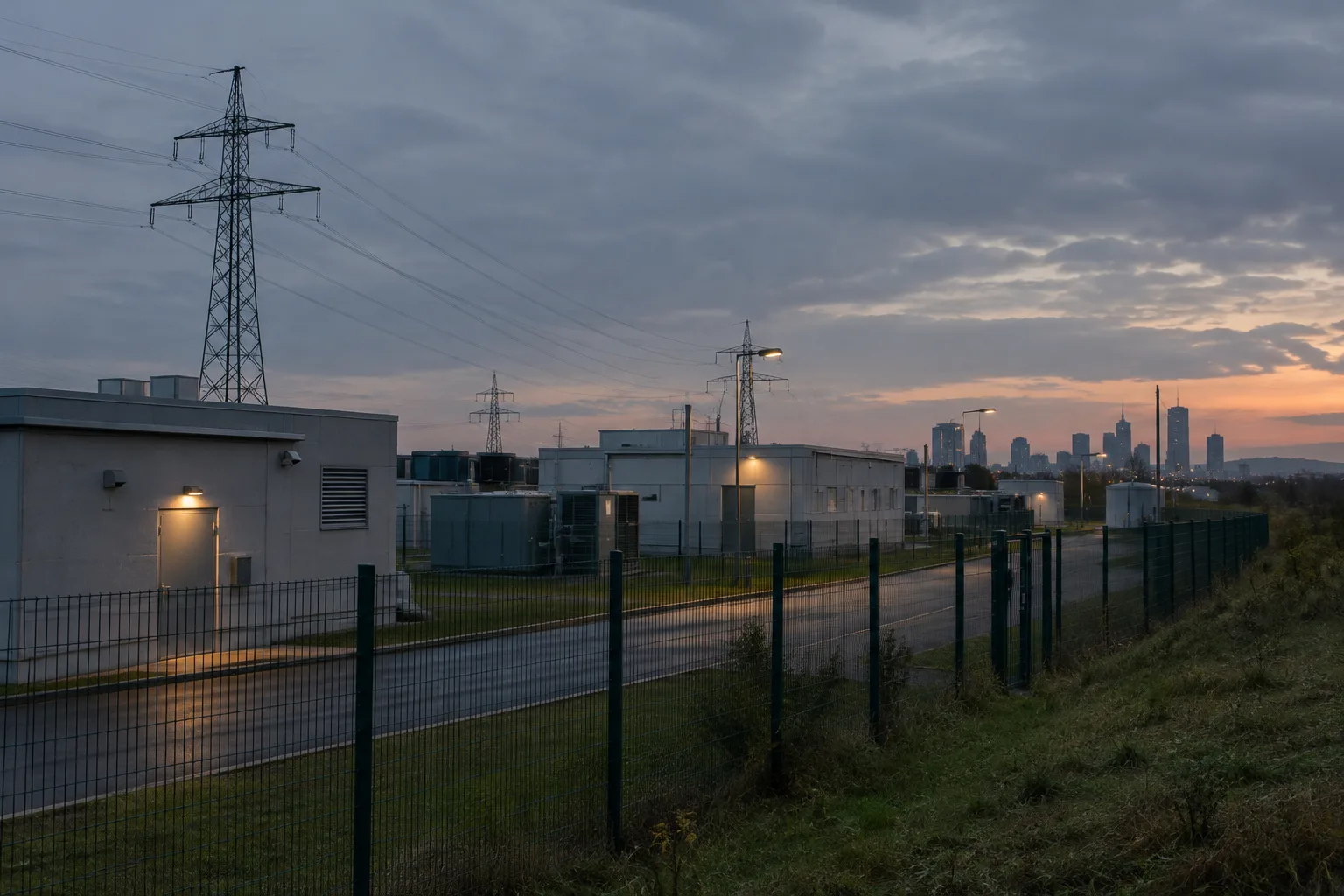

Amazon says it plans to invest more than €16 billion in Germany during 2027, with €4.8 billion earmarked for expanding the AWS Europe (Frankfurt) Region to meet demand for cloud and AI services. Announced at the German government’s Invest in Germany Summit, the package is big enough to matter for enterprise IT, public-sector procurement, utilities, and local labor markets. It also arrives at a moment when Germany is trying to attract large industrial commitments while debating digital sovereignty, energy use, and dependence on foreign technology platforms.
The practical question for readers is not whether the headline is large. It is whether this package will become measurable new cloud capacity and local economic value, or whether the number mainly reflects a bundle of business lines and commitments that still need to be separated and proven.
The €16 billion headline is not all cloud
The first distinction is the most important one: Amazon’s Germany package is broader than AWS. In the company’s announcement, the 2027 plan spans data-center and AI infrastructure, logistics modernization, robotics, Amazon Leo satellite internet, Prime Video content, renewable-energy and community programs, and a second Berlin research lab focused on robotics and artificial intelligence.
For the Cloud & Data audience, the central development is narrower and more concrete: Amazon says €4.8 billion of the 2027 total is planned for AWS Frankfurt. That is the part most directly tied to compute, storage, and AI-service availability for German customers. Amazon also says it has already invested double-digit billions of euros in German cloud infrastructure, that the AWS Europe (Frankfurt) Region has been operating since October 2014, and that the AWS European Sovereign Cloud in Germany has been generally available since January 2026.
That context makes the AWS number more than a branding exercise. Frankfurt is already an established cloud foothold, and Germany is a market where residency, latency, and public-sector compliance matter. But it also means readers should resist treating the full €16 billion as new cloud capacity. Reuters reporting carried by onvista says roughly one-third of the package is expected to go to data centers and notes that investment-conference totals can include commitments made earlier. That is not proof the total is inflated. It is a reminder that conference-stage announcements often combine projects with different timelines, accounting treatments, and levels of execution risk.
What the AWS piece could change — and what it cannot settle
If the Frankfurt expansion is delivered on schedule, the upside for customers is straightforward. More regional infrastructure can improve access to cloud and AI services, expand local capacity, and strengthen data-location options for enterprises and public agencies that want German-hosted workloads. For regulated buyers, the existence of both the Frankfurt region and a European Sovereign Cloud offering in Germany broadens the menu.
But sovereignty is where the story gets slippery if it is treated as a slogan instead of a procurement question. A local region and a sovereign-cloud product can improve residency and operational control. They do not, by themselves, remove provider concentration, erase foreign legal exposure, or make exit from Amazon’s hardware and software stack inexpensive.
That is why CIOs should read this announcement less as a solved sovereignty story than as the start of a due-diligence process. The useful questions are specific: Where will data and encryption keys sit? Who can access systems operationally, and under what controls? What attestation and logging are available? Which workloads can move to another region or another provider without redesign? What outage-recovery commitments are in the contract? What happens to pricing once a customer is deeply embedded in Amazon services?
Those questions matter because Amazon has not said how much of the €4.8 billion is for ordinary AWS capacity versus the European Sovereign Cloud, and it has not described what services, facilities, or customer classes the expansion will prioritize.
What would turn the announcement into real infrastructure
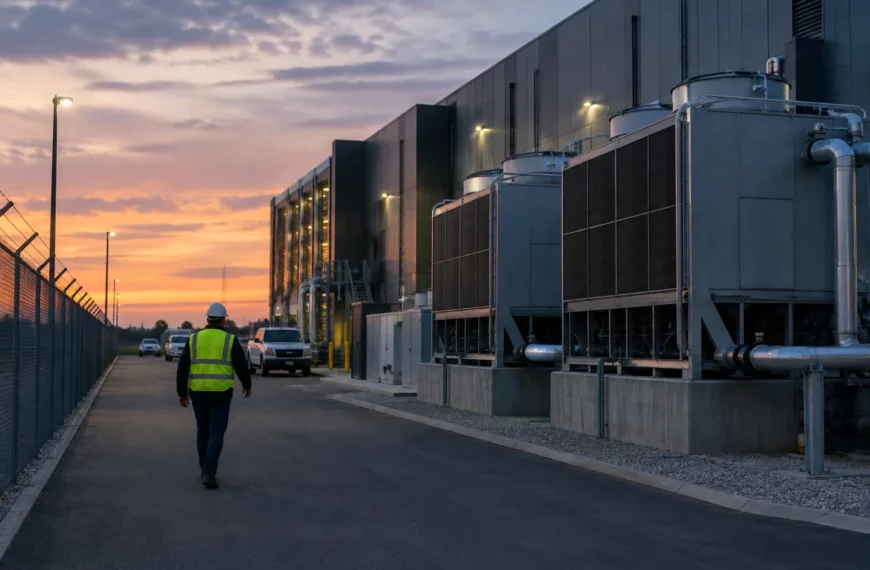
The missing details are the ones that determine whether a cloud commitment becomes usable capacity. Amazon has not disclosed the number of new data centers, megawatts, accelerators, racks, or availability zones the Frankfurt investment will add. It has not published a construction schedule, power-procurement plan, grid-connection timeline, water-use profile, utilization target, or customer commitments. Those omissions do not negate the announcement, but they do define the distance between a capital plan and an operational outcome.
That gap matters more in Germany than in a frictionless market model. Data-center projects face grid-connection delays, power-price pressure, permitting constraints, water concerns, and local opposition. A €4.8 billion cloud expansion can deepen Germany’s digital infrastructure and still run into the same bottlenecks as other large industrial builds. In practice, the milestones worth watching are less glamorous than the headline: permits, substation and transmission work, renewable-power arrangements, construction activity, service rollouts, and independent reporting on customer adoption and employment.
The labor story is similarly mixed. Amazon says it has invested more than €100 billion in Germany since 2010, operates more than 100 sites, and has created more than 40,000 permanent jobs, including 3,000 AWS employees. Those figures show existing scale. They do not tell readers how many net new jobs the 2027 package will create, where those jobs will be located, or how many will be temporary construction roles rather than long-term technical positions. Nor do they answer how logistics automation and fulfillment-center modernization may change work at other Amazon sites.
That is why the non-AWS pieces should be read as related, not interchangeable. Amazon Leo’s 24 contracted Ariane launches, the second Berlin robotics and AI lab, the logistics upgrades in several German facilities, the new fulfillment center in Könnern, training alliances, and Prime Video commitments all expand Amazon’s footprint in different ways. Together they help Amazon present itself as a national infrastructure partner rather than just a cloud vendor.
For Germany, that can mean more capacity, more training, and broader digital investment. For Amazon, it means deeper entanglement with industrial policy, utilities, local communities, and public-sector buyers. The immediate takeaway is that the AWS Frankfurt commitment is material, but not yet measurable in the ways infrastructure buyers should care about most. The headline number gets attention; the next phase will be decided by power, permits, buildout, and the contract terms customers are willing to accept.

 By

 By

 By


 By

 By

 By