
Reconstructing the Unfinished: AI’s Foray Into Cinematic Resurrection
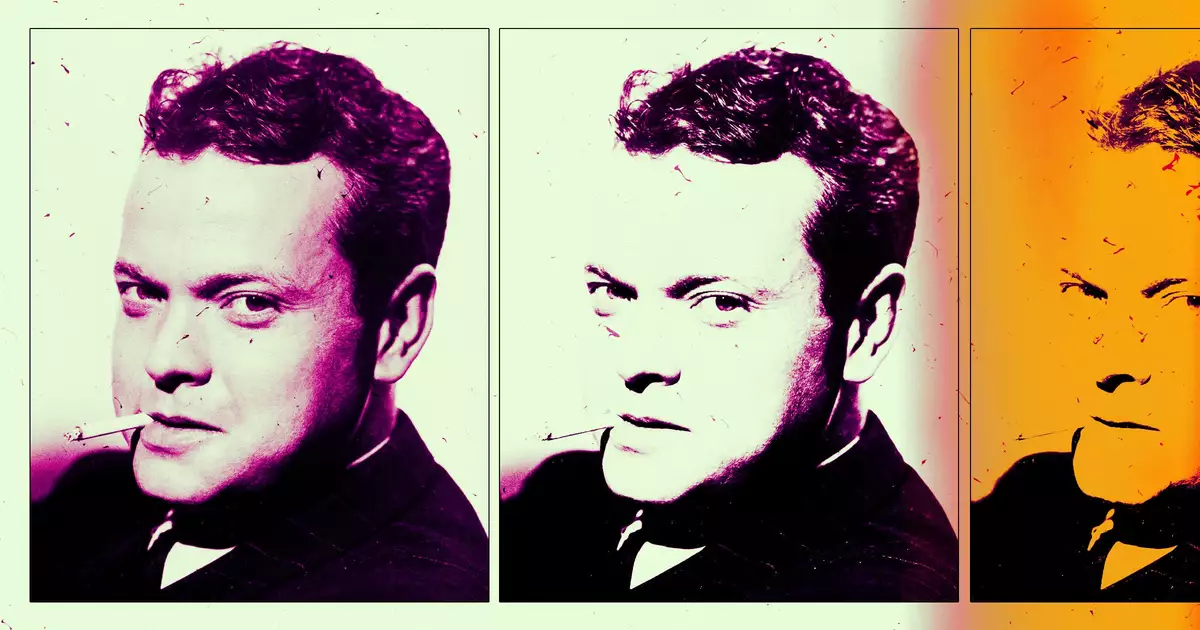
Amazon’s audacious attempt to digitally reconstruct the lost 43 minutes of Orson Welles’ “The Magnificent Ambersons” signals a seismic shift in the relationship between technology and artistic legacy. Through its partnership with Showrunner, an AI-video startup, the tech giant is not merely restoring a film—it is testing the boundaries of authorship, authenticity, and the stewardship of cultural memory. The resulting controversy, stoked by the Welles estate’s public denunciation, is not just a dispute over intellectual property, but a crucible for the future of generative AI in entertainment.
The Anatomy of AI-Powered Restoration
At the heart of this project lies a sophisticated generative video pipeline, one that fuses volumetric capture, diffusion-based face synthesis, and neural blending. The technical ambition is formidable: to seamlessly graft the visages of new actors onto the original cast, achieving a temporal continuity that bridges an 80-year chasm in cinematic history. Yet the process is fraught with challenges:
- Data Scarcity: Only 55 minutes of the original film survive, forcing AI models to extrapolate Welles’ stylistic signatures from a scant corpus. This statistical thinness raises inevitable questions about fidelity and bias—issues that will only intensify as studios mine the fragile archives of early 20th-century cinema.
- Compute Intensity: The sheer computational heft required for such restoration gives hyperscalers like AWS a critical edge, both in cost structure and in the gravitational pull of data and talent.
- Provenance and Watermarking: As the EU AI Act and US NIST frameworks emphasize traceability, Amazon’s ability to embed cryptographic markers will set a new industry benchmark for responsible generative video. The provenance of restored footage may soon be as important as its visual authenticity.
Economic Calculus and Strategic Stakes
The economic logic behind AI-driven restoration is as compelling as its technological allure. Reviving incomplete classics offers a unique arbitrage: the built-in brand equity of beloved IP dramatically lowers marketing costs, while generative techniques slash production timelines from years to quarters. For streaming giants facing subscriber saturation, “eventized” heritage content becomes a potent differentiator—a way to cut through the noise without the risk and expense of blockbuster reboots.
But the upside is not without limits. Authenticity concerns loom large, threatening to alienate cinephiles, critics, and awards bodies whose imprimatur drives secondary revenue streams. The financial calculus, then, is delicately balanced:
- Monetization of Long-Tail IP: The restoration of classics is a double-edged sword—potentially lucrative, but only if audiences accept the reconstructed vision as legitimate.
- AWS Flywheel Effect: Each high-profile AI project also serves as a showcase for Amazon’s formidable cloud infrastructure, reinforcing the company’s horizontal-vertical integration and its narrative of technological supremacy.
Legal, Ethical, and Cultural Crossroads
The Ambersons project lays bare the inadequacies of current legal frameworks. In the U.S., estates enjoy only limited moral rights, and the law is ill-equipped to adjudicate questions of retroactive authorship. But the reputational risks of overriding an iconic filmmaker’s legacy may outweigh legal permissibility, especially as guilds and unions increasingly prioritize digital likeness rights.
- Digital Likeness and Moral Rights: The 2023 SAG-AFTRA contract set new precedents for living actors; the Ambersons case may catalyze similar frameworks for the deceased, pushing studios toward estate-level revenue sharing or co-production.
- Cultural Stewardship: Failure to engage with estates signals a transactional mindset, undermining the industry’s emerging ESG commitments to digital cultural heritage preservation.
Meanwhile, the industry is witnessing a rapid evolution:
- AI-Native Restoration: What began as R&D is now a line-item in studio budgets, with generative color grading and upscaling becoming routine.
- Synthetic Actors-at-Scale: The rise of digital “cast arrays” hints at a future where actors’ likenesses are licensed like stock imagery.
- Rights Tokenization and XR Integration: New models for IP revenue sharing and immersive content delivery are on the horizon, with blockchain-mediated registries and XR platforms poised to redefine engagement with heritage IP.
Navigating the New Era of Generative Authorship
As generative AI moves from the periphery to the center of media production, decision-makers face a thicket of challenges and opportunities. Studios must codify transparent protocols for estate engagement, invest in explainable AI tooling to ensure artistic auditability, and prepare for tiered distribution strategies that accommodate both purists and mainstream audiences. Cross-IP bundling and collective rights clearinghouses may unlock dormant catalogs while distributing risk and reward.
The Ambersons controversy is not an isolated flare-up but a harbinger of a new epoch—one in which the ontological status of authorship is up for negotiation, and the stewardship of cultural memory is both a privilege and a profound responsibility. Those who approach AI restoration with legal foresight, cultural diplomacy, and technological fluency will transform yesterday’s celluloid ghosts into tomorrow’s engines of growth.

 By
By
 By
By
 By
By

 By
By
 By
By

 By
By