

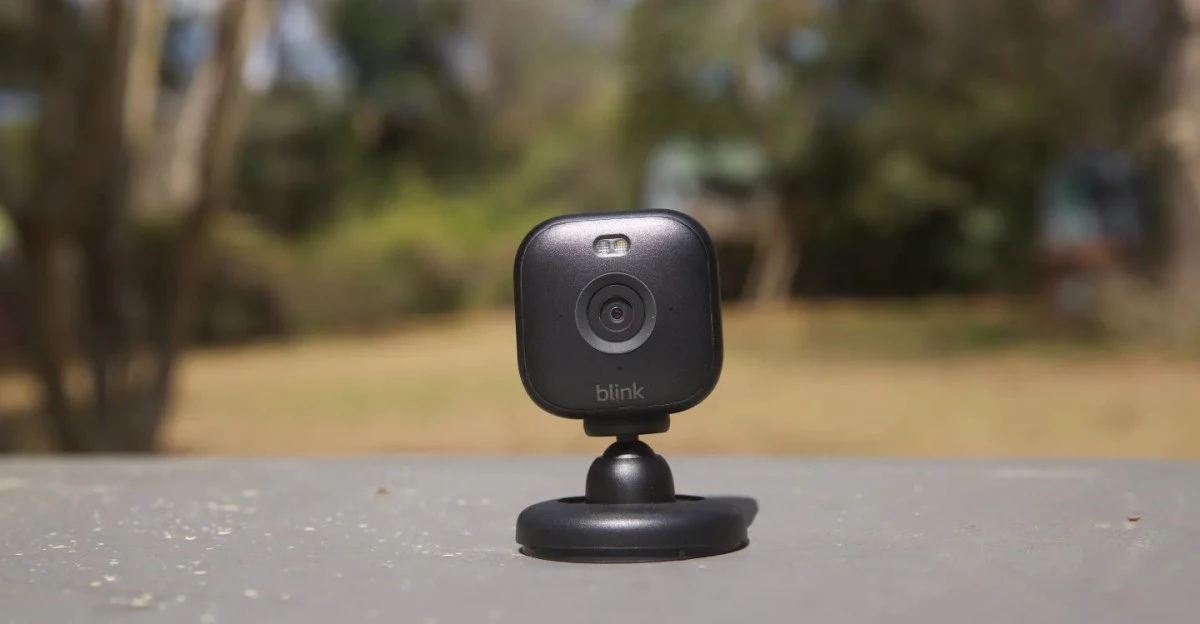

A Moment of Disconnection: The Blink Outage and the Anatomy of Smart-Home Fragility
On a quiet Friday evening, Amazon’s Blink home-security app flickered offline, leaving a swath of users across the United States unable to log in or create new accounts. For roughly 24 hours, the digital sentinels that line American doorways and porches continued to record and send push notifications, but the authentication gateway—an invisible bouncer at the club’s velvet rope—refused entry. The technical failure, modest in duration but profound in implication, has cast a revealing light on the delicate architecture underpinning the modern smart home.
The Hidden Weakness: Cloud Dependency in IoT Security
The incident’s anatomy is instructive. While video streams and motion alerts persisted, the authentication layer—likely a cloud-based identity service such as AWS Cognito—became the single point of failure. This bifurcation between edge resilience and cloud fragility is not new, but its consequences are growing more acute as the stakes rise. In effect, the outage exposed a paradox at the heart of cloud-centric IoT: the very features that promise convenience and intelligence also introduce brittle dependencies that can undermine user trust at a stroke.
- Error Codes as Symptoms: Existing users faced 503 “service unavailable” errors; would-be customers met the 403 “forbidden” wall. The geography of reports, spanning California to New Jersey, signaled a back-end disruption rather than a localized edge issue.
- Duration and Response: A mean time to repair (MTTR) of 24 hours is not catastrophic for consumer SaaS, but in the context of home security, it feels perilously long. The implicit contract between provider and user—security as a utility, not a luxury—was momentarily broken.
Competitors are already moving to blunt this risk. Apple’s HomeKit Secure Video and Google’s Nest increasingly process data on-device, reducing reliance on the cloud and offering a measure of continuity when the internet falters. For Amazon and its Blink ecosystem, the pressure to accelerate an “edge-first” roadmap is no longer optional; it is existential.
Economic Undercurrents: Subscription Models and the Trust Equation
Blink’s business model, like much of the smart-home sector, is built on recurring cloud storage fees. The economics are compelling—predictable revenue, higher customer lifetime value—but they are also brittle. Outages, even brief, can catalyze customer churn, especially as cross-platform compatibility (thanks to the Matter standard) lowers switching costs for multi-device households.
- Brand Risk Across the Portfolio: Blink is a node in Amazon’s broader “Ambient Home” constellation, alongside Ring, Eero, and the Astro robot. A stumble in one product reverberates across the suite, threatening the “trust envelope” that binds Prime members to the Amazon ecosystem.
- Regulatory Tides Rising: The EU’s Cyber Resilience Act and the U.S. IoT Cybersecurity Improvement Act are sharpening the stakes. Prolonged or repeated outages could trigger mandatory incident disclosures, financial penalties, and new compliance burdens—costs that scale with market share.
The macroeconomic context is equally unforgiving. As smart-home penetration surges toward 63% of U.S. households by 2026, the market’s expectations are shifting. Reliability is no longer a differentiator; it is a baseline requirement. Investors, ever attuned to risk, are quick to punish perceived lapses. Recent volatility in the valuations of companies like Peloton and ADT underscores how service reliability now maps directly onto enterprise value.
Strategic Imperatives: Building Resilience into the Connected Home
The Blink outage is a case study in the evolving demands of the smart-home era. For decision-makers, the path forward is clear, if not simple:
- Architect for Graceful Degradation: Local credential caching and time-limited tokens can keep devices operable for 48–72 hours if cloud authentication fails, aligning with typical broadband outage durations.
- Transparency as Armor: Public uptime dashboards and financial service-level agreements (SLAs) for subscribers can mute the amplification of outages on social media and reinforce accountability.
- Redundancy Through Standards: Embracing the Matter protocol enables multi-vendor fallback options, such as delegating authentication to a neighboring Eero router or third-party device when the primary service is down.
- Partnerships and Incentives: Demonstrated reliability can unlock insurance discounts and co-marketing opportunities, lowering customer acquisition costs and reinforcing market position.
- Regulatory Scenario Planning: Proactive tabletop exercises and compliance drills can prevent costly, reactive spending when—not if—regulatory scrutiny intensifies.
The events of Friday evening, while swiftly contained, have left an indelible mark on the smart-home industry’s psyche. As edge AI chips become ever cheaper and the regulatory environment tightens, resilience is emerging as the primary battleground. For technology providers, the challenge is to transform reliability from an afterthought into a foundational promise—one that underpins not only customer loyalty, but the very future of the connected home.

 By
By
 By
By
 By
By
 By
By

 By
By
 By
By








