
Drax Group, Brookfield and Radiant said on Nov. 3 that they plan a phased, gigawatt-scale data-centre development at Drax Power Station in North Yorkshire, with total potential investment that could exceed £20 billion, including semiconductor chips, and an initial phase backed at about £2.5 billion. The announcement matters because it turns a familiar AI bottleneck into a specific infrastructure proposition: if you already have land, grid access, dispatchable generation, cooling systems and fiber nearby, can you build major UK compute capacity faster than a conventional greenfield site?
That is the reader’s real question. Not whether the headline number is large, but whether Drax’s power-and-land advantage is enough to turn a power-station estate into viable domestic AI capacity without shifting energy, planning or environmental risk onto consumers and communities.
In Drax’s announcement, Phase 1 targets up to 100MW of data-centre capacity with commercial operations from the first quarter of 2028. Radiant is set to lead design, customer engagement and commercialization, while Drax leads land, power integration and planning. Brookfield and Qai provide investment and operating backing through their joint venture. A second phase aims for up to an additional 500MW between 2028 and 2031, with further expansion after 2031.
But the first thing to understand is that Phase 1 is not yet a construction commitment. It still depends on planning, regulatory and network approvals, a suitable tenant, commercial agreements and a final investment decision from each partner. Drax says public consultation begins in November and that a planning application is being prepared.
Why this site gets attention
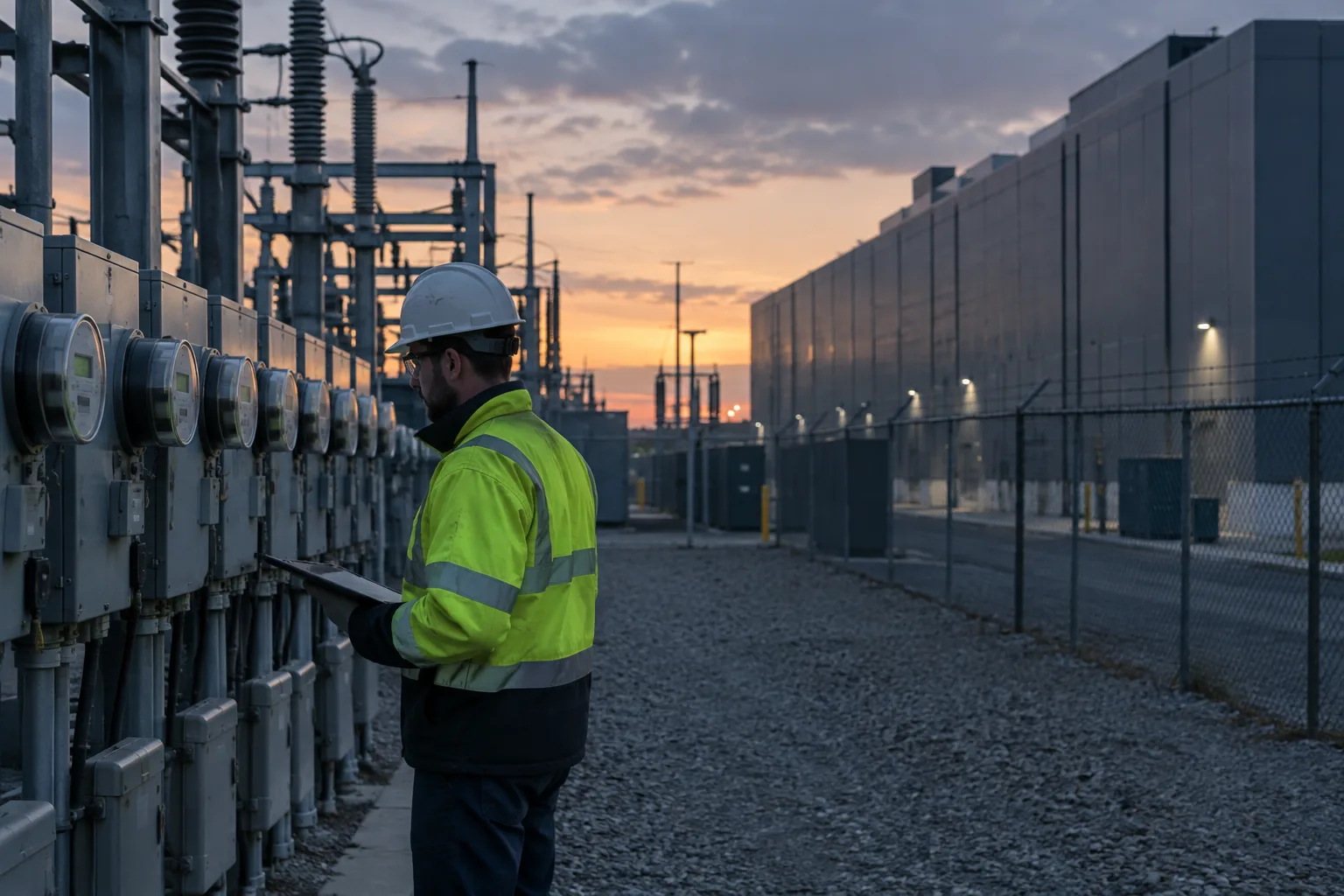
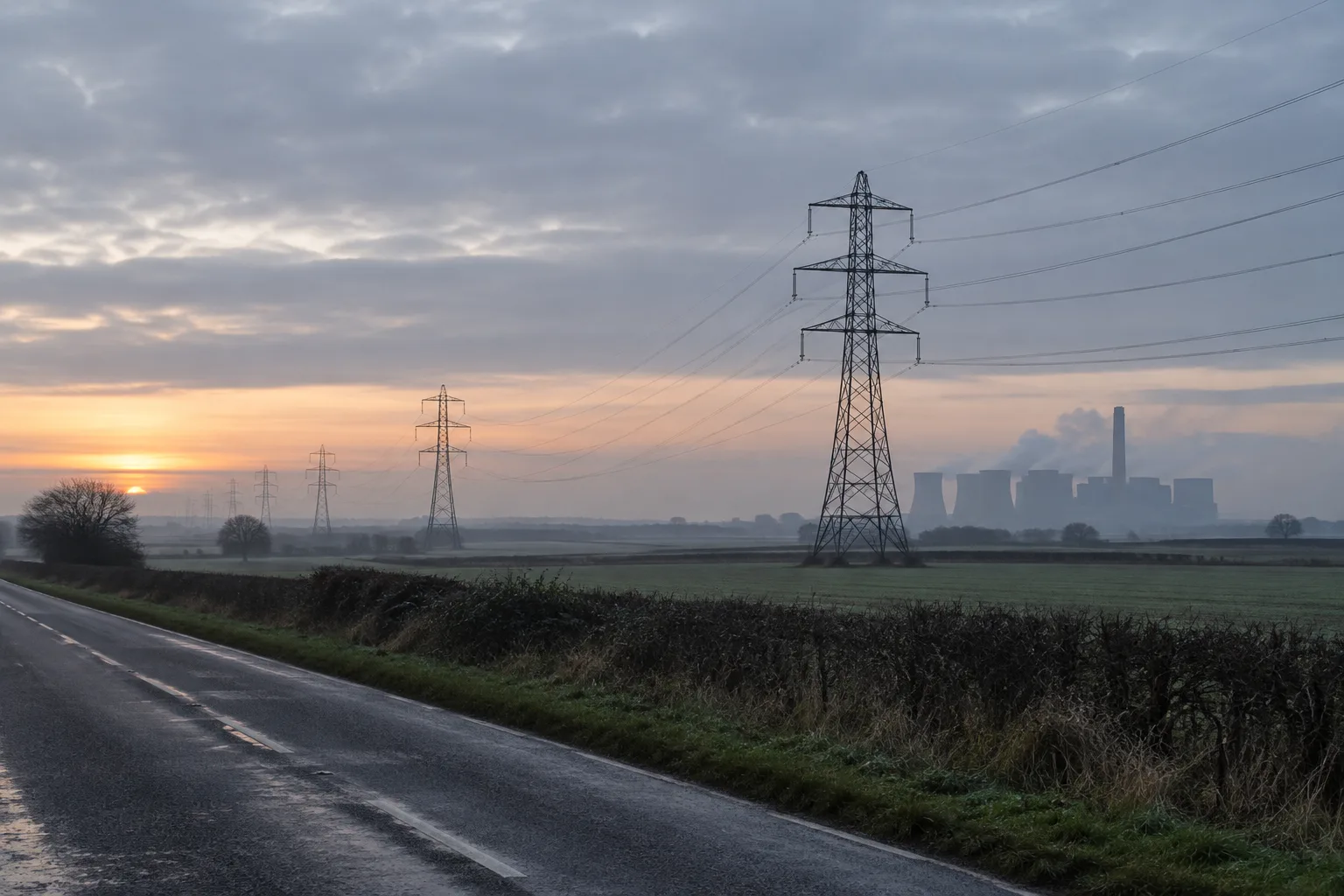
The attraction is time to power. AI data centres need more than GPUs and capital. They need a site, a credible electricity path, cooling, network connectivity and an anchor customer before chips start earning revenue. Drax is marketing a site with more than 1,000 acres, about 4GW of grid access, 2.6GW of active dispatchable generation, cooling systems and proximity to the UK fiber network.
That combination is why this looks more serious than a generic AI-campus rendering. For UK businesses deciding where to run sensitive or latency-sensitive workloads, a large domestic site could eventually offer local capacity, jurisdictional clarity and less dependence on overseas buildouts. It also fits a broader policy push to treat “sovereign AI” as an infrastructure problem as much as a software one.
The phasing matters. Phase 1 is planned to import power directly from the grid. Phase 2 is expected to explore a behind-the-meter distributed-energy solution using existing generation under a long-term power-purchase agreement, subject to consents. In other words, the site’s value is not just that it is large; it is that the partners are trying to match different power arrangements to different stages of demand.
The missing pieces are the commercial ones
The risk is that a strong site gets mistaken for a finished project. The partners have not named a tenant or anchor customer, disclosed binding capacity reservations, published a final investment decision or explained the ownership and financing structure for each phase. They have not disclosed cost per megawatt, expected power price, chip mix, utilization assumptions, cooling and water requirements, expected revenue or job counts.
That matters because the £20 billion figure is a potential full-development estimate across multiple phases and it includes semiconductor chips. It is not the same thing as cash committed to construction. The same caution applies to the power story. About 4GW of grid access does not mean 4GW of continuously available, low-cost data-centre power, and it does not settle future network constraints or electricity prices.
A fair way to read the announcement is as a credible option on scarce infrastructure rather than proof that Britain has secured a gigawatt AI campus. Reuters reporting carried by Investing.com said Drax shares rose as much as 8.4% on the news, with JPMorgan taking a positive view and Citi noting that no final investment decision had been reached and that financial detail remained limited. That split captures the state of the project: meaningful strategic optionality, unfinished execution.
For potential customers, the key scorecard is practical. How many megawatts are actually contracted, not just planned? Is there an anchor tenant willing to sign for long-duration capacity? What power price can the campus offer? How much capital is committed phase by phase? And can the site deliver high utilization without creating a cost problem elsewhere on the system?
The harder test is who carries the downside
This is where the story becomes more than a property deal. The UK’s Data Centre Covenant is meant to speed strategically important projects by improving planning and time to power, while tying support to energy security, local benefits, resource accountability and environmental standards. That policy backdrop helps explain why Drax and Brookfield are moving now. It does not amount to an approval.
The trickiest issues sit inside Phase 2. Drax’s November 2025 UK Contract for Difference covers about 6TWh of biomass generation a year from April 2027 through March 2031 and includes a mechanism allowing Drax to request up to 500MW for a data centre, subject to government and Low Carbon Contracts Company decisions on value for money, energy security and sustainability. If the project reaches that stage, the question will not just be whether Drax can serve a large campus. It will be whether doing so makes sense for the wider grid and for consumers.
That is the dividing line between a persuasive “sovereign AI” pitch and a politically difficult one. A large data centre competes with other industrial and household uses for electricity, network upgrades, water, land and planning attention. Grid access is valuable, but it is not a free pass through those trade-offs. Local residents and planners will want to know what community obligations come with the campus. Businesses and policymakers will want to know whether the site can add resilience or flexibility rather than simply becoming another very large load.
For now, Drax and its partners have put forward something more substantive than AI branding: a powered industrial site, heavyweight infrastructure backers and a phased route to market. What they do not yet have is the set of commitments that turns that proposition into bankable compute capacity. Until the tenant, approvals, financing and power arrangements are nailed down, the news is not that a £20 billion AI campus has arrived in Yorkshire. It is that one of the UK’s more plausible routes to domestic frontier-compute infrastructure has entered the hard part.

 By

 By

 By

 By

 By


 By