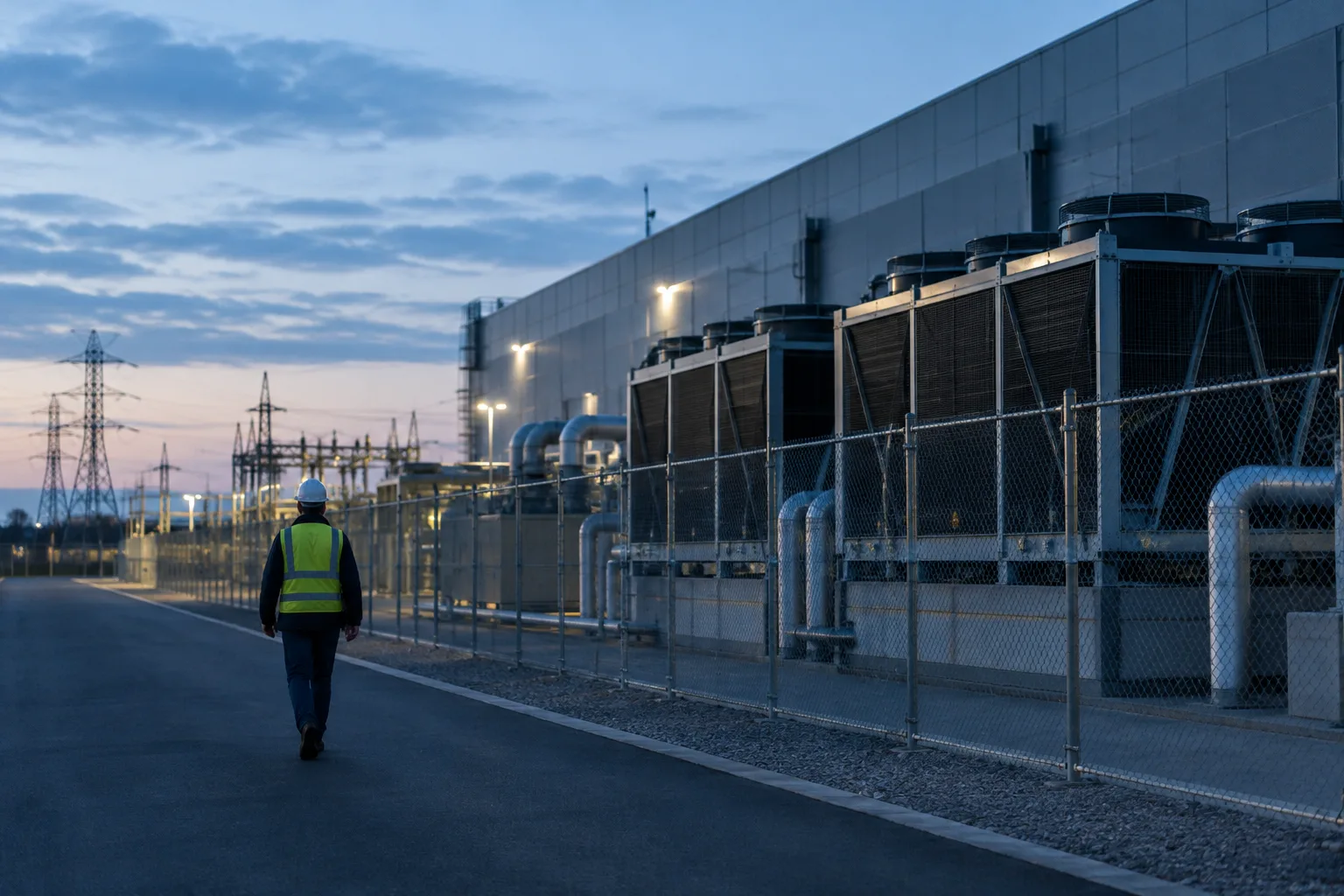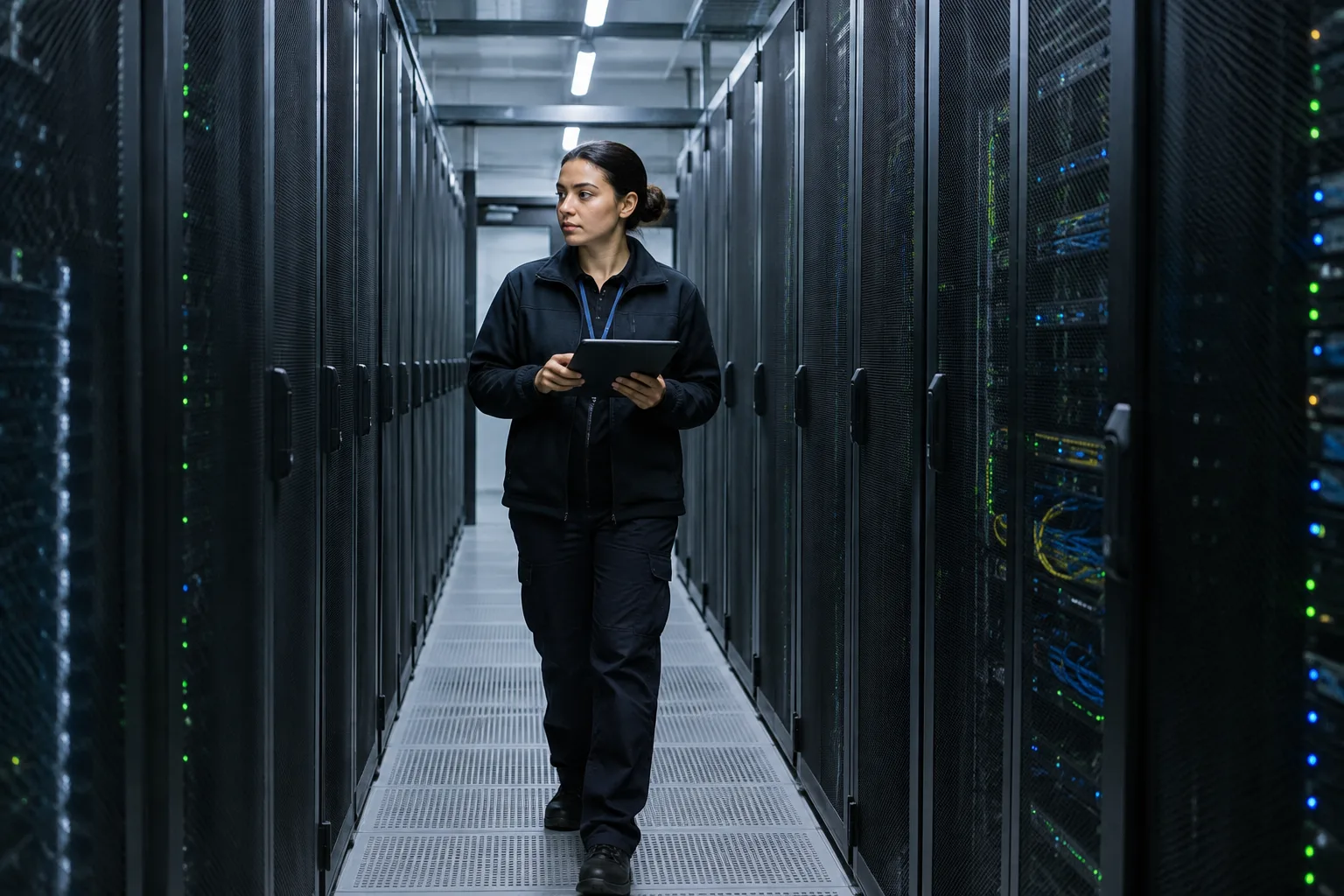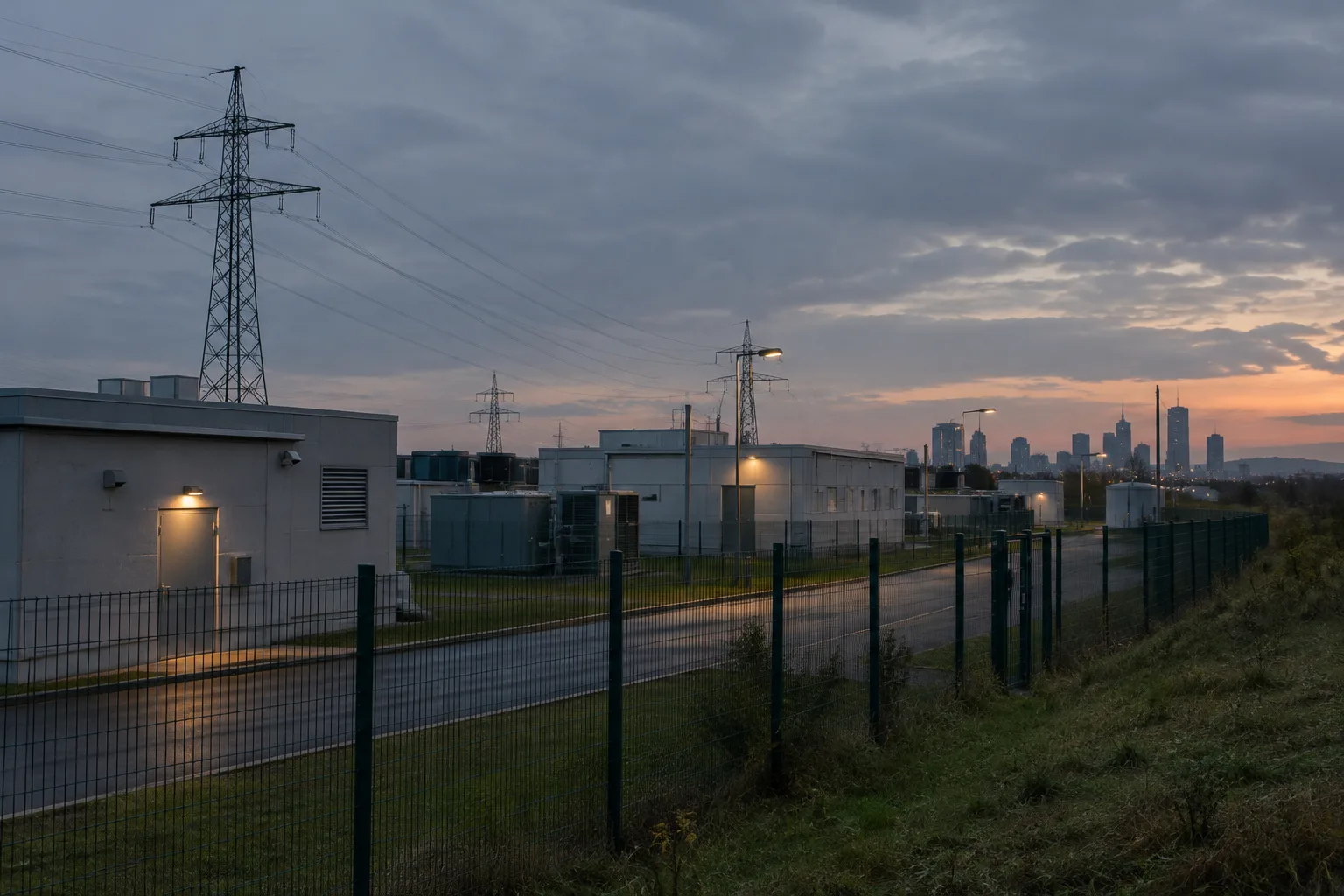

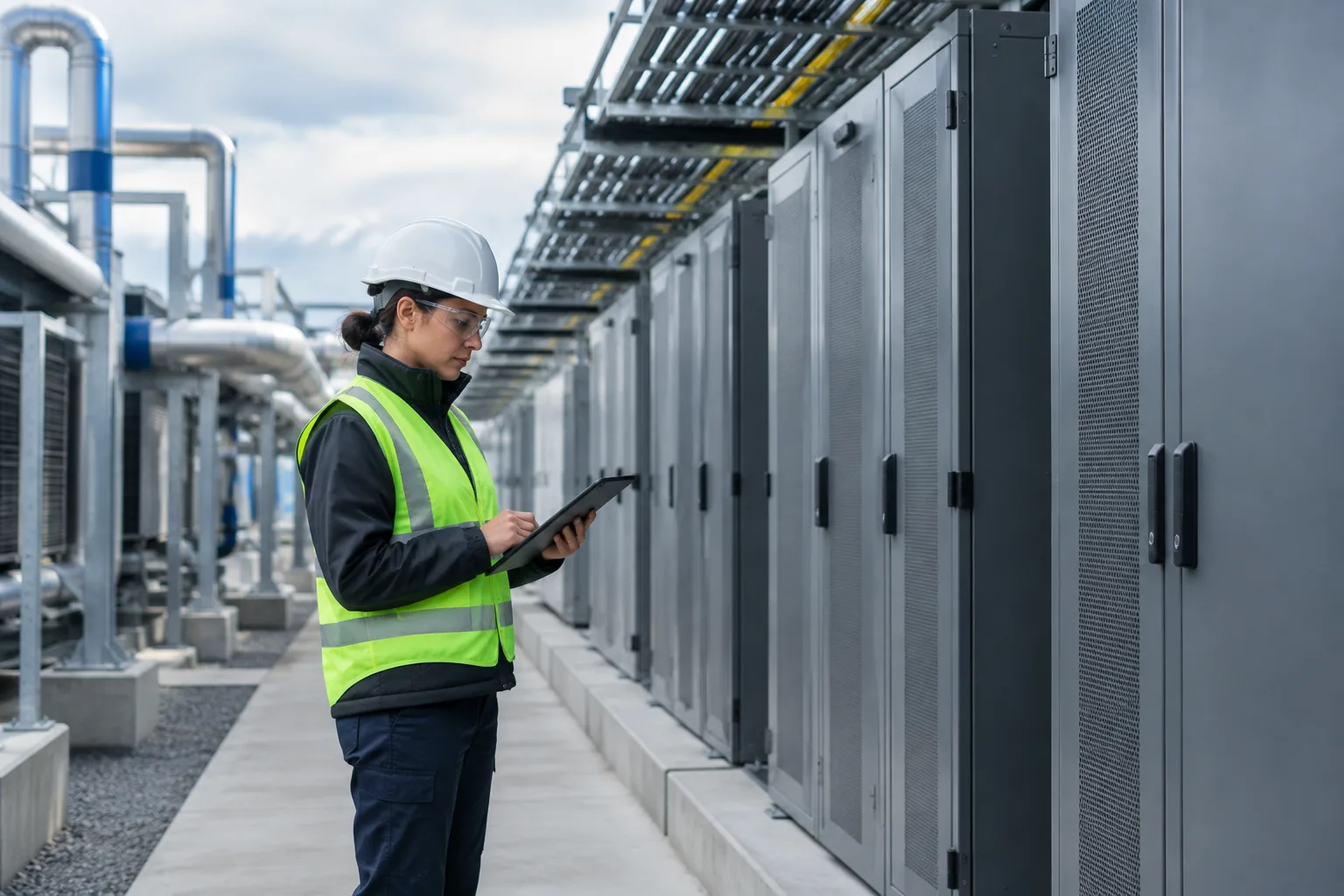

NVIDIA used GTC Berlin on Oct. 21 to introduce DSX POD, a reference design and partner-delivery model for Vera Rubin AI factories built inside modular units that are integrated and validated before shipment. The company says the approach can cut deployment at a prepared site from roughly six months to as little as 14 days. That matters because Europe wants more local AI-compute capacity, and for operators racing to start model training or production inference, time to first token can be almost as valuable as the hardware itself.
The real question is whether DSX POD changes the economics of AI infrastructure or mainly repackages one segment of a much larger project. If commissioning is the bottleneck, a factory-built pod could pull revenue forward and lower integration risk. If power, permits, fiber, financing or customer demand remain the limiting factors, the gain is narrower: a faster way to reach the same queue.
What NVIDIA is actually launching
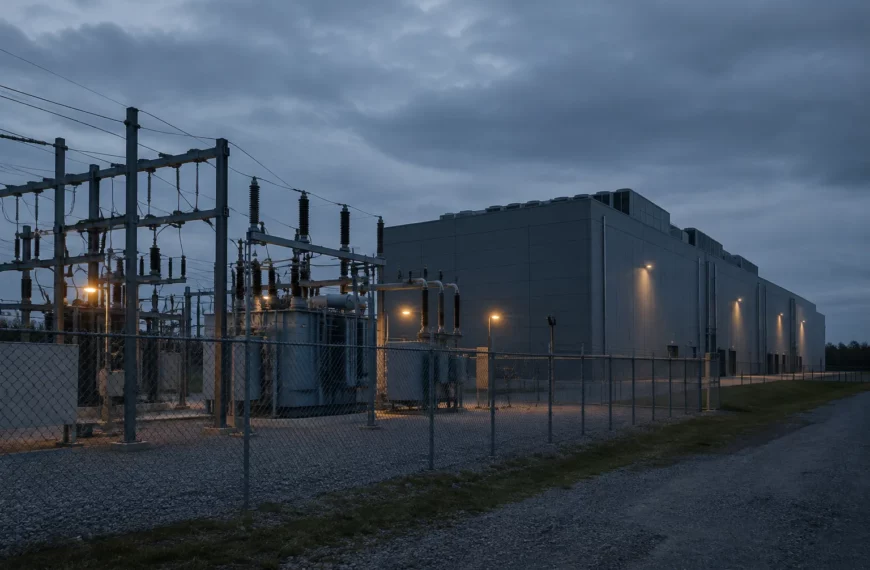
DSX POD is not a disclosed customer deployment. It is a reference design and delivery model that moves repeatable work — compute, networking, cabling, rack-level power, liquid cooling and functional validation — out of the field and into a manufacturing facility. NVIDIA says partners will deliver the systems worldwide in early 2027, with an ecosystem that includes Bull, Dell Technologies, HPE, Lenovo, Schneider Electric, Vertiv, Foxconn/Ingrasys, QCT, Wistron, Crusoe, Armada, Anduril and Eaton.
That breadth matters because AI-factory projects often stall not on the server bill of materials but on integration. Traditional deployments force customers and contractors to coordinate specialized labor, power distribution, liquid cooling, controls, cabling, commissioning and supply-chain timing on site. Standardizing those steps inside a pod could reduce onsite errors and change orders.
Just as important is what NVIDIA did not disclose: no pod price, no standard power envelope, no rack count or GPU configuration, no contract value, and no independent measurement showing that six months is a typical baseline or that 14 days is broadly repeatable across regions. The 14-day figure applies only after a site is prepared.
Huang used Berlin to frame Europe as the next growth market for industrial data, manufacturing, robotics and physical AI. The Associated Press reported that Europe has about 5% of the world’s AI-computing capacity versus roughly 75% in the United States, helping explain why faster deployment resonates. AP also reported that NVIDIA had invested $10 billion in European startups and partners over the prior year.
Why the factory model could matter
For buyers with a ready site and contracted demand, DSX POD addresses a real problem. Compressing commissioning can bring forward billable inference, training schedules and internal program milestones. It can also help project finance: the sooner capacity is usable, the sooner operators can support debt service or justify premium power contracts. In that sense, NVIDIA is selling schedule certainty as much as compute.
The mechanism is credible even if the payoff is still unproven. Factory integration and pre-delivery validation are standard ways to remove field risk in other industrial systems. Applying that logic to AI infrastructure could matter because the stacks are becoming denser, hotter and more dependent on precise liquid-cooling and power integration. A repeatable pod should be easier to transport, install and test than a custom build assembled from scratch at the destination.
But the company has not published the data that would turn that operational promise into a clear economic case. There is no disclosed evidence yet on delivered performance, failure rates, service terms, lifecycle costs or how much work shifts from onsite contractors to factory and site-preparation teams. For a market that increasingly cares about return on capital, those missing details are not footnotes.
The four gates that still decide ROI
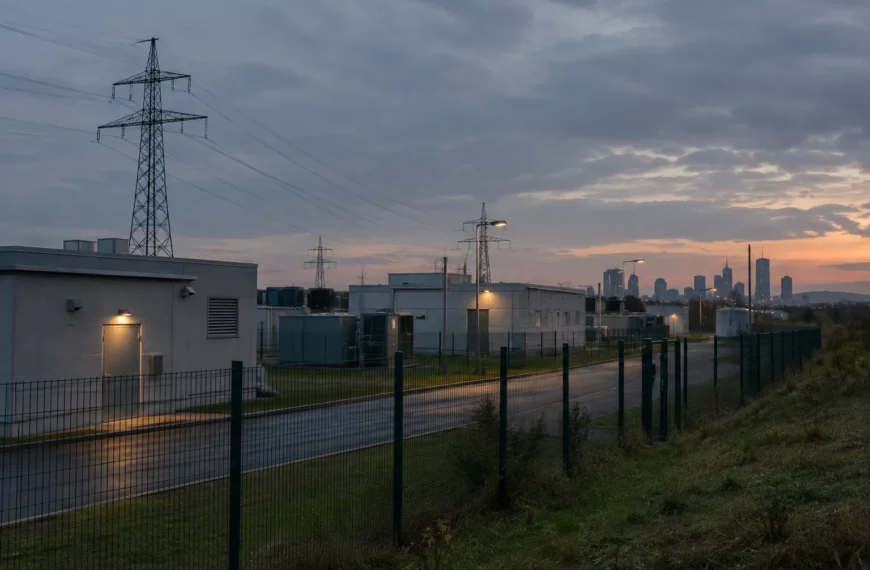
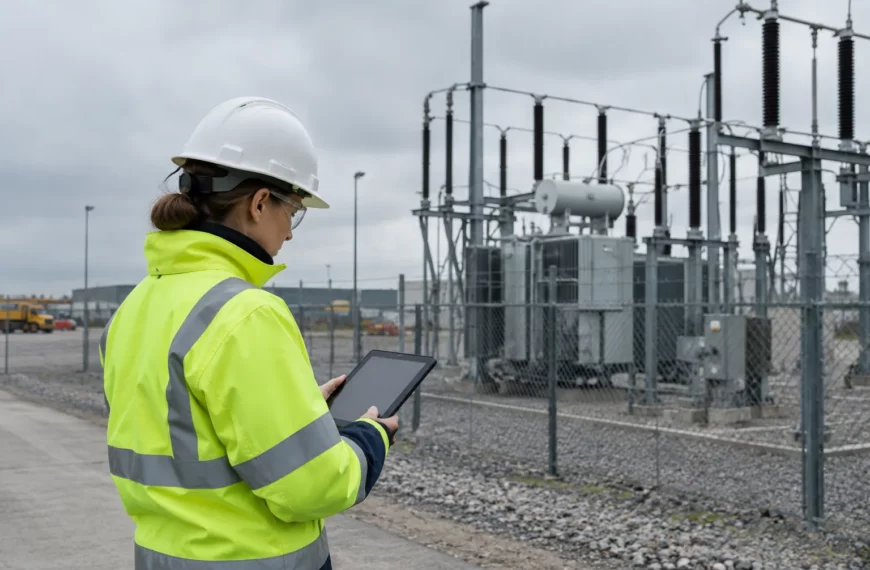
Site readiness. A pod arrives at the point where the easy story usually ends and the hard one begins. Grid interconnection, cooling capacity, fiber, physical security, permits, local engineering and an operations team all have to be in place before a 14-day clock means much. A prepared site is not a formality; it is often the longest lead item in the project.
Factory acceptance. Buyers will need to know what is tested before shipment, how defects are handled, what happens if a pod fails validation after transport, and who owns integration risk across NVIDIA and its partners. A large partner list is useful, but partner participation is not the same as certified volume production or identical field support in every market.
Workload economics. NVIDIA’s separate investor release says European partners adopting the broader DSX AI Factory Platform aim to use less power for the same AI output, minimize water use for cooling and adapt workload power consumption to support grid reliability. Those are company claims about the wider platform, not published DSX POD measurements. Real efficiency will depend on model size, utilization, ambient conditions, cooling design, software scheduling and local electricity prices. Without pricing, power draw and performance data, buyers still cannot answer the basic question: how many useful tokens, simulations or inference calls does the system deliver per euro of capex and opex?
Strategic dependence. For Europe, local compute supports sovereign-AI ambitions by keeping model-serving capacity and sensitive workloads closer to home. But infrastructure built around NVIDIA hardware and software is not the same thing as technological independence. Portability across suppliers, upgrade paths, maintenance terms and the exit cost if roadmaps or availability change will matter to governments, banks, manufacturers and cloud operators alike.
That leaves DSX POD looking less like a conventional hardware launch and more like a bid to productize AI-factory deployment. If NVIDIA and its partners can reliably turn commissioning time into a manufactured, testable process, the value could be substantial for developers that already have power, permits and customers lined up. If those external constraints remain the real bottleneck, the pod mostly compresses one segment of a much longer timeline.
For data-center developers, utilities, neocloud operators, industrial companies and investors, that is the practical takeaway. The interesting scarcity may no longer be raw chip performance alone, but the number of projects that can become revenue-producing compute quickly. DSX POD speaks directly to that problem. It just does not remove the rest of the checklist.

 By
 By
 By

 By



 By

 By

 By