
A mobile petting zoo’s rabies exposure becomes a stress test for “One Health” readiness
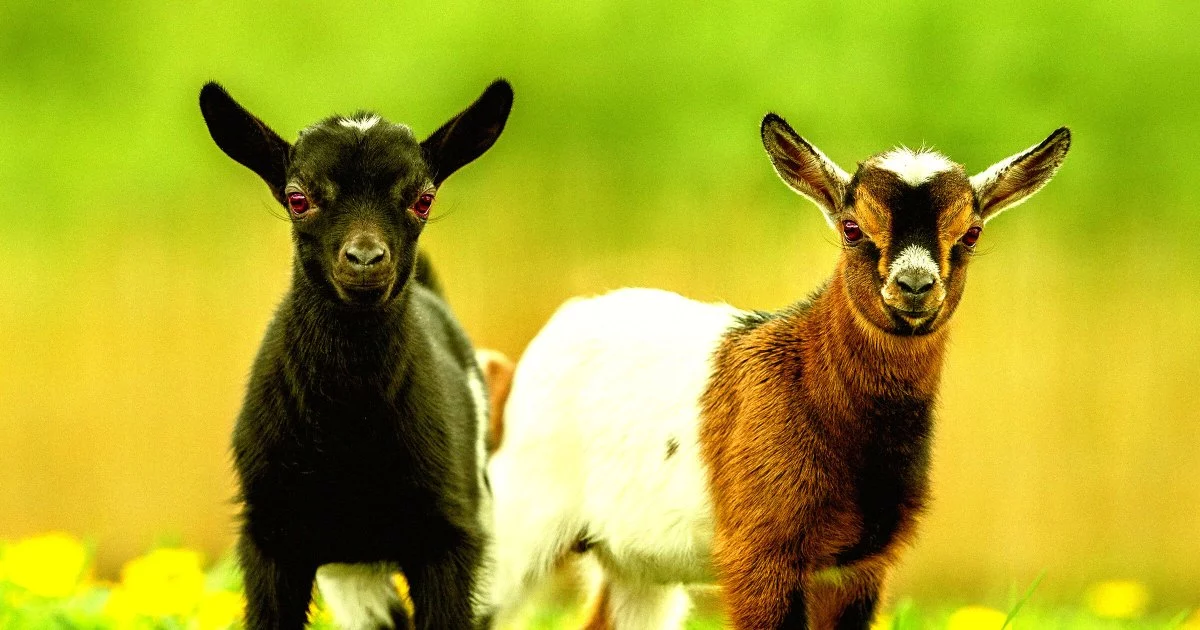
North Carolina’s traveling petting zoo rabies incident—sparked when a skunk breached a goat enclosure—reads at first like a localized biosecurity failure. Yet the operational reality is more consequential: three of four exposed young goats tested positive for rabies and were humanely euthanized, and state health officials have urged anyone who visited between July 28 and August 27—especially children—to seek immediate medical evaluation.
Rabies is rare in humans in the United States, but it is unforgiving: once symptoms appear, it is almost always fatal. That stark clinical profile is why public health agencies treat even *potential* exposures as urgent, and why the petting zoo model—built on proximity, touch, and trust—can turn into a high-stakes environment when wildlife incursions occur.
This episode also illustrates the “One Health” imperative, the idea that human health, animal health, and environmental conditions are inseparable. A single cross-species breach—wildlife entering a domestic animal enclosure—can cascade into a multi-week public health response involving diagnostics, contact tracing, risk communication, and potentially post-exposure prophylaxis (PEP) decisions for visitors. In an era of expanding wildlife–human interfaces, the petting zoo becomes a microcosm of broader zoonotic vulnerability: not because it is inherently unsafe, but because it compresses exposure pathways into a highly interactive setting.
—
Where the system strains: testing capacity, containment windows, and operational accountability
The most immediate operational lesson is that time is the critical currency in rabies response. When an animal tests positive, health officials must quickly determine who may have been exposed—often across multiple venues and dates for itinerant attractions. That urgency collides with the realities of decentralized public health infrastructure, where laboratory capacity, staffing, and turnaround times vary widely.
The reported context—earlier disruptions in CDC-supported testing pathways—highlights a structural fragility: when diagnostic throughput slows, containment windows narrow. For rabies, delays can translate into broader advisories, more people seeking evaluation, and higher downstream costs for healthcare systems and families. The public health burden is not limited to the clinical intervention; it includes call-center load, case management, and the administrative work of reconstructing who was where and when.
For operators, the incident underscores a hard truth about experiential businesses involving live animals: biosecurity is not a back-office function—it is core product quality. A traveling petting zoo is effectively a moving interface between animals, children, schools, community events, and assisted-living centers. That mobility amplifies both the value proposition and the risk surface.
Key operational pressure points exposed by this event include:
- Wildlife-proofing and enclosure integrity: A skunk incursion suggests gaps in physical barriers, monitoring, or both.
- Vaccination and veterinary protocols: Age-specific vaccination schedules, documentation, and pre-event health checks become central to risk governance.
- Visitor exposure management: Clear rules on hand hygiene, supervision, and animal handling are not merely best practices; they are risk controls.
- Recordkeeping and itinerary traceability: When an advisory spans a month, the ability to rapidly identify venues and visitor cohorts becomes decisive.
—
Biosurveillance meets agritourism: technology that could shift outbreaks from “surprises” to signals
The incident also points to an underutilized opportunity: technology-enabled biosurveillance tailored to small and mid-sized animal-experience operators. The tools exist, but adoption is uneven—often constrained by cost, complexity, and lack of standardized incentives.
A modernized approach would combine physical security, animal health telemetry, and public health interoperability. Consider what a layered system could look like in practice:
- IoT-enabled enclosure sensors (motion, vibration, ingress detection) to flag nighttime breaches in real time
- Cloud-connected animal health dashboards that centralize vaccination records, veterinary notes, and symptom logs
- Portable molecular testing pathways (where feasible and validated) to reduce time-to-signal for certain conditions
- AI-driven anomaly detection that correlates environmental triggers—temperature, wildlife activity patterns, local rabies prevalence—with elevated risk periods
The strategic value is not “more data” for its own sake; it is faster decision-making. If an intrusion is detected immediately, operators can isolate animals, notify veterinary partners, and coordinate with local health departments before exposures accumulate across multiple events.
Equally important is interoperability. A secure, privacy-conscious data ecosystem linking veterinary records, event itineraries, and public health workflows could reduce friction during investigations—supporting faster, more targeted outreach rather than broad advisories that inevitably heighten public anxiety.
—
The business calculus: liability, insurance friction, and the future of hands-on animal experiences
For the experiential and agritourism economy, rabies is not just a health event; it is a liability and reputational inflection point. Standard insurance policies may not cleanly cover zoonotic outbreaks, and bespoke riders can be expensive—particularly for small operators with thin margins. The financial exposure extends beyond direct medical claims to include:
- Reputational drag affecting bookings, partnerships, and venue invitations
- Operational downtime during investigations and remediation
- Long-tail trust erosion in communities where schools and family venues are key customers
At the same time, consumer demand for tactile, “Instagrammable” animal interactions remains strong. That demand creates a market incentive to professionalize safety—potentially through third-party biosafety audits, clearer licensing standards, and public-private funding models that help smaller operators adopt baseline protections.
Forward-looking operators may also diversify experience design: mixed-reality or augmented experiences can complement live-animal programming, reducing contact intensity without eliminating educational value. This is not a replacement for animal husbandry; it is a risk-balancing tool in a marketplace increasingly sensitive to health assurances and transparency.
North Carolina’s incident is ultimately a reminder that trust is the product in live-animal attractions. When wildlife, diagnostics, and mobility intersect, the winners will be those who treat biosecurity as a measurable capability—engineered, audited, and continuously improved—rather than a hope that nothing slips through the fence.


 By
By
 By
By
 By
By



 By
By