
Nintendo’s $50 Switch 2 price move signals a new console-era pricing logic
Nintendo’s decision to raise the base Nintendo Switch 2 price by $50—from $449.99 to $499.99, effective September 1—lands as more than a routine adjustment. It is a clear marker that the traditional console playbook, where hardware typically becomes cheaper as a generation matures, is being rewritten by inflation, component volatility, and the growing importance of ecosystem monetization.
The timing is also deliberate. Nintendo is pairing the increase with two game-inclusive hardware bundles priced above $500, each offering modest software value to soften the psychological impact of a higher entry point. For consumers, the message is: the platform is becoming more premium, but it is also becoming more complete out of the box. For the industry, the message is sharper: hardware margins are under pressure, and even the most disciplined platform holders are willing to test price elasticity when the broader value proposition is strong.
Importantly, the Switch 2 remains positioned as a comparatively accessible dedicated gaming handheld—especially against PC-centric rivals that have faced steeper pricing shocks. That relative stability may prove strategically valuable heading into the fall and holiday buying cycle, when shoppers tend to compare ecosystems as much as specifications.
Component inflation meets modular design: what the Switch 2 reveals about hardware economics
At the heart of this price change is a familiar but intensifying reality: memory and storage costs are rising. With global spot prices for DRAM and NAND flash up roughly 10–20% year-on-year, Nintendo’s move looks less like opportunistic pricing and more like a controlled pass-through of input costs. This is particularly notable because Nintendo historically aims to keep hardware approachable, relying on software attach rates and first-party IP to drive profitability.
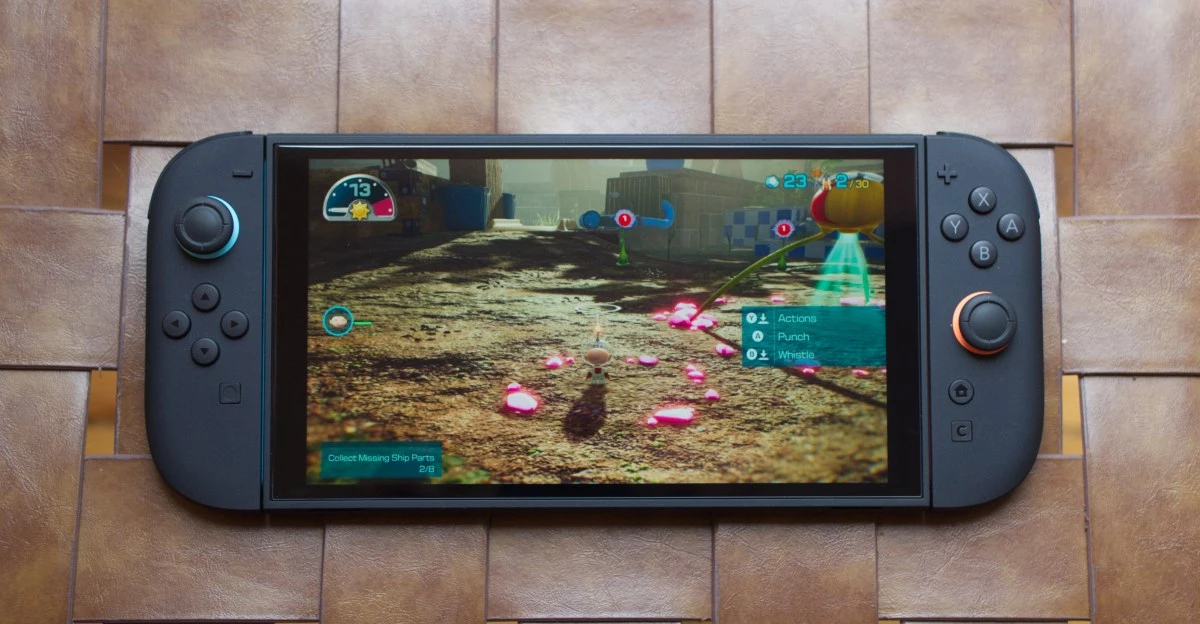
Yet the Switch 2’s design choices also show how Nintendo is defending value beyond raw compute. The console’s 7.9-inch LCD and magnetically attached Joy‑Con 2 controllers reinforce the company’s long-standing bet on hybrid play and modularity—an approach that does double duty:
- Differentiation: Modular controllers and flexible play modes separate Switch 2 from more “static” handheld PCs.
- Ecosystem expansion: Modularity invites a broader accessory market—cases, grips, screen protectors, docks, and alternative controllers—creating additional monetization lanes.
- Lifecycle resilience: A platform that can be personalized and extended tends to retain engagement longer, which supports software and subscription revenue.
The accessory response is already telling. A wave of third-party peripherals tailored to Switch 2 suggests manufacturers see a large, durable installed base forming—often a leading indicator that a platform’s commercial gravity is strengthening, not weakening.
Competitive positioning: value optics versus Steam Deck OLED and the broader handheld market
Nintendo’s $50 increase is meaningful, but its competitive context matters more. The Switch 2 remains relatively well-positioned against rival handhelds, particularly the Steam Deck OLED, which has reportedly experienced a $200+ price surge. That comparison reframes Nintendo’s move as a “measured” increase rather than a disruptive one—especially for mainstream buyers who prioritize simplicity, exclusives, and plug-and-play reliability over PC-like configurability.
Nintendo’s advantage is not purely price; it is the curated ecosystem and the software-led moat:
- Backward compatibility with legacy Switch titles reduces the perceived risk of upgrading and protects consumer libraries—an increasingly important factor as digital purchases accumulate.
- A growing slate of exclusive games (including *Donkey Kong Bananza* and *Kirby Air Riders*) strengthens platform identity and reinforces Nintendo’s ability to monetize its own IP at high margins.
- Anticipated tentpoles—such as a rumored *The Legend of Zelda: Ocarina of Time* remake and *The Duskbloods*—create a forward narrative that can outweigh near-term sticker shock.
The bundles, meanwhile, are classic Nintendo economics with modern polish: they neutralize the headline price while nudging buyers toward first-party franchises where Nintendo captures the full value chain—development, publishing, and platform fees—rather than sharing economics with third-party publishers.
This strategy also subtly widens the gap between dedicated consoles and low-cost mobile gaming. As Switch 2 moves upmarket, Nintendo is implicitly betting that consumers will pay for a more premium, controlled experience—one defined by performance consistency, family-friendly usability, and exclusive content cadence.
The strategic subtext: subscriptions, supply-chain resilience, and the next 12–18 months
Nintendo’s pricing shift hints at a broader recalibration in how platform holders may manage the next phase of the console business. A higher hardware price can create pressure to protect unit volume, which often pushes companies toward recurring revenue and digital attach. For Nintendo, that could translate into deeper emphasis on:
- Nintendo Switch Online tier expansion or added benefits that increase perceived value
- More aggressive digital sales incentives (limited-time discounts, bundles, or loyalty-style offers)
- Tighter integration between hardware ownership and ongoing content engagement
There is also a supply-chain story embedded in the decision. Passing some cost increases to consumers can help fund supply-chain diversification, alternate component sourcing, and regional distribution improvements—investments that become more rational when volatility is expected to persist rather than normalize.
Finally, the calendar matters. Implementing the price change just ahead of major releases leverages a predictable consumer dynamic: when must-play titles are on the horizon, demand becomes less elastic. Nintendo appears to be aligning pricing power with IP cadence—an approach that many technology companies use, but few execute with Nintendo’s consistency.
Nintendo’s Switch 2 price increase is not merely a $50 headline; it is a case study in how modern hardware businesses balance component inflation, ecosystem lock-in, and premiumization—while still competing on value in a market where the real battleground is no longer the device alone, but the lifetime economics of the platform it unlocks.

 By
By


 By
By
 By
By
 By
By
 By
By