
A viral soup as a real-time signal in the digital food economy
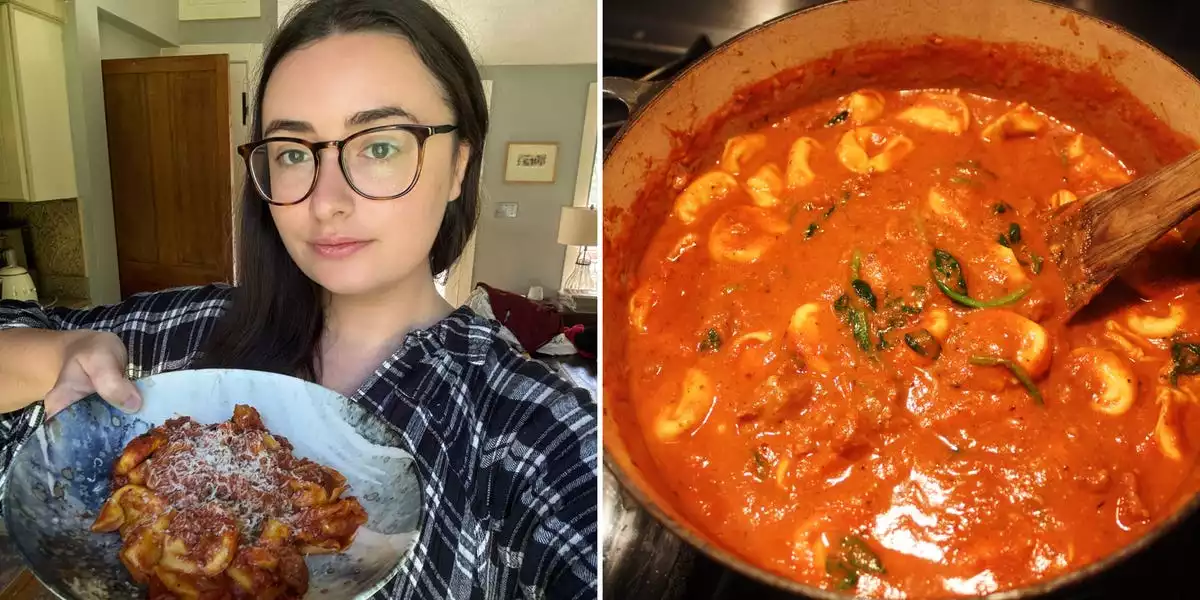
A sausage-and-tortellini soup—built on Italian sausage, cheesy tortellini, a tomato-forward broth, seasonal vegetables, and a finishing touch of cream—has become a fast-moving social-media hit as autumn sets in. On the surface, it’s a familiar comfort dish: one pot, under an hour, widely available ingredients, and a payoff that feels restaurant-adjacent without restaurant pricing. But its velocity on TikTok and similar platforms points to something larger: culinary discovery is increasingly algorithmic, and the distance between “I saw it” and “I bought it” is shrinking.
Short-form cooking videos have turned recipes into high-conversion content units. The format compresses complexity into a few decisive moments—browning sausage, simmering aromatics, dropping in tortellini, finishing with spinach and Parmesan—making the meal feel both achievable and rewarding. That combination matters in a market where consumers are time-poor, budget-aware, and still seeking small indulgences at home. Early adopters’ emphasis on meal planning, leftovers, and repeatability is also telling: virality is no longer just about novelty; it’s about whether a recipe can become a household routine.
TikTok’s recommendation engine is acting like a new recipe infrastructure
The soup’s spread underscores how platforms—especially TikTok—now function as digital recipe books with embedded distribution. Unlike traditional food media, where editorial calendars and search traffic shape what rises, algorithmic feeds can elevate a dish in days based on watch time, replays, saves, and comments. In effect, the recommendation engine becomes a demand-signal generator that can ripple into grocery baskets and retailer replenishment cycles.
Several technology dynamics are converging here:
- Algorithm-driven culinary discovery: Recipes are increasingly “found” through AI-curated feeds rather than deliberate search. This changes which dishes break out—those that are visually legible, quick to demonstrate, and easy to replicate tend to win.
- Tutorials as adoption accelerators: Step-by-step videos reduce perceived risk. For busy home cooks, the content doesn’t just inspire; it de-risks execution, which is critical for repeat cooking.
- Shoppable content pressure: As platforms expand commerce features, the “see it, cook it, buy it” loop tightens. The logical next step is ingredient-level purchasing embedded directly in the viewing experience.
- Data exhaust with commercial value: Views and saves are not just engagement metrics; they are early indicators of SKU demand. For retailers and food brands, this is actionable intelligence—if it can be captured and operationalized quickly.
This is where the competitive bar rises. It’s no longer enough for grocers and consumer packaged goods (CPG) brands to notice trends; they need systems that translate social momentum into inventory decisions, promotions, and digital merchandising while the trend is still peaking.
Inflation-era comfort food meets supply-chain agility and margin strategy
The soup’s ingredient list—Italian sausage, tortellini, broth, onions, carrots, celery, spinach, cream, Parmesan—hits a sweet spot in today’s economics. It reads as “premium comfort,” yet it relies largely on ubiquitous, scalable inputs. In an environment of persistent food-price inflation, that balance is powerful: consumers want meals that feel generous, but they are wary of specialty ingredients that raise cost and reduce flexibility.
For the business side of food, the implications are concrete:
- SKU-level demand forecasting: A viral recipe can spike demand for specific items—refrigerated tortellini, Italian sausage, heavy cream, chicken broth—creating localized stockouts or price volatility if retailers can’t rebalance quickly.
- Promotional agility as a differentiator: The ability to adjust endcaps, digital coupons, and in-app placements within 48 hours of a social spike can separate leaders from laggards.
- Private-label opportunity: Store brands can ride the wave with value-positioned equivalents (broth, pasta, frozen spinach) while maintaining margin.
- Bundling and “comfort kits”: Manufacturers and retailers can reduce shopper friction through seasonal bundles—sausage + tortellini + broth + seasoning—positioned as weeknight solutions.
The broader point is that virality increasingly behaves like a micro-season: short, intense, and monetizable—if supply chains, merchandising teams, and digital channels are synchronized.
What to watch next: recipe-to-basket automation and connected-kitchen leverage
The most consequential shift may be how quickly the ecosystem is moving toward frictionless conversion. Expect partnerships among social platforms, grocery delivery services, and CPG brands that enable one-click “add all ingredients” flows—turning a saved video into a pre-filled cart. As these integrations mature, the winners will be those who can connect three layers of data: social engagement signals, real-time inventory, and point-of-sale outcomes.
Several forward trajectories stand out:
- The “comfort-food economy” as a durable theme: With hybrid work patterns and ongoing price sensitivity, low-effort indulgence is likely to remain resilient through winter, encouraging more viral one-pot meals and repeatable weeknight formats.
- Influencers as decentralized R&D: Micro-creators are becoming a practical testing ground for flavor combinations and product formats. For CPG, “social-listening R&D” can shorten new-product development cycles and reduce reliance on slower, traditional research.
- Connected appliances as content distribution: Smart ovens and multicookers can embed guided versions of viral recipes, turning content into a feature—and features into recurring software revenue. Hardware makers that secure creator partnerships or build strong curation engines gain a defensible advantage.
- Ecosystem consolidation: Larger food companies may increasingly partner with—or acquire—digital media and influencer networks to secure direct access to recipe-driven audiences and the data that comes with them.
A sausage-and-tortellini soup may look like a seasonal craving made clickable, but it is also a clear marker of where food, technology, and commerce are heading: algorithms shape taste, content shapes carts, and the fastest feedback loop wins.

 By
By
 By
By
 By
By

 By
By
 By
By

 By
By