
The software-defined vehicle turns repair into a data-access contest
The modern automobile has quietly crossed a threshold: it is no longer primarily a mechanical product with electronics attached, but a software-defined platform—a distributed computing system with wheels. Domain controllers manage powertrain, chassis, infotainment, and increasingly sophisticated advanced driver-assistance systems (ADAS), all communicating over CAN and Automotive Ethernet. This architecture enables over-the-air updates, remote diagnostics, and continuous feature improvements—yet it also reshapes who can service the vehicle, and on what terms.
At the center of today’s right-to-repair debate is not whether independent shops can replace parts, but whether they can access the diagnostic data, calibration routines, and repair procedures that now determine whether a repair is complete, safe, and economically viable. OEM-controlled gateway modules can filter diagnostic frames and restrict tool access, effectively creating a walled garden around vehicle data. The result resembles familiar dynamics from enterprise IT and consumer tech: platform owners use APIs, access controls, and digital rights management to preserve security and quality—while also protecting revenue and customer lock-in.
The proposed bipartisan REPAIR Act (Right to Equitable and Professional Auto Industry Repair Act) aims to reset that balance by requiring automakers to provide parity access to vehicle data and repair information for independent repairers on terms comparable to franchised dealerships. Supporters frame the bill as a consumer-choice and competition measure; opponents argue it risks safety, cybersecurity, privacy, and intellectual property. The legislative fight is therefore a proxy for a larger question: who governs the data layer of mobility as vehicles become rolling endpoints in a connected digital ecosystem.
What parity access would change for consumers, shops, and dealership economics
The economic stakes are substantial because the aftermarket is no longer a peripheral business—it is a strategic profit center. As vehicles become more complex, repair increasingly requires software-enabled steps: sensor alignment, camera and radar calibration, secure module pairing, and firmware compatibility checks. These are not optional extras; they are often prerequisites for returning a vehicle to the road with ADAS functioning as designed.
Key pressures driving the debate include:
- Rising repair complexity and cost: newer models can require specialized calibration workflows, with calibration fees averaging roughly $486 and overall repair costs reportedly rising sharply on newer vehicles.
- Margin compression for independents: without full diagnostic and calibration access, independent shops face delays, sub-contracting, or forced referrals to dealerships—eroding competitiveness.
- Consumer price sensitivity: proponents argue parity access could reduce repair bills—some estimates cite up to 36%—by expanding competition and reducing bottlenecks.
Dealership groups and OEMs counter that higher service prices reflect real investments: proprietary tooling, technician training, and certification programs designed to ensure consistent outcomes. Independent operators respond that they are not seeking shortcuts; they are seeking equivalent access so that competence—not contractual affiliation—determines who can perform the work.
If enacted, the REPAIR Act would likely redistribute value across the service chain. It could reduce “monopoly rents” associated with exclusive data access while expanding the addressable market for third-party diagnostic tools, calibration services, and repair networks. At the same time, it would pressure OEMs to differentiate dealership service through experience, speed, warranty integration, and bundled offerings rather than through data exclusivity alone.
Safety, cybersecurity, and privacy: the hard problems the bill must operationalize
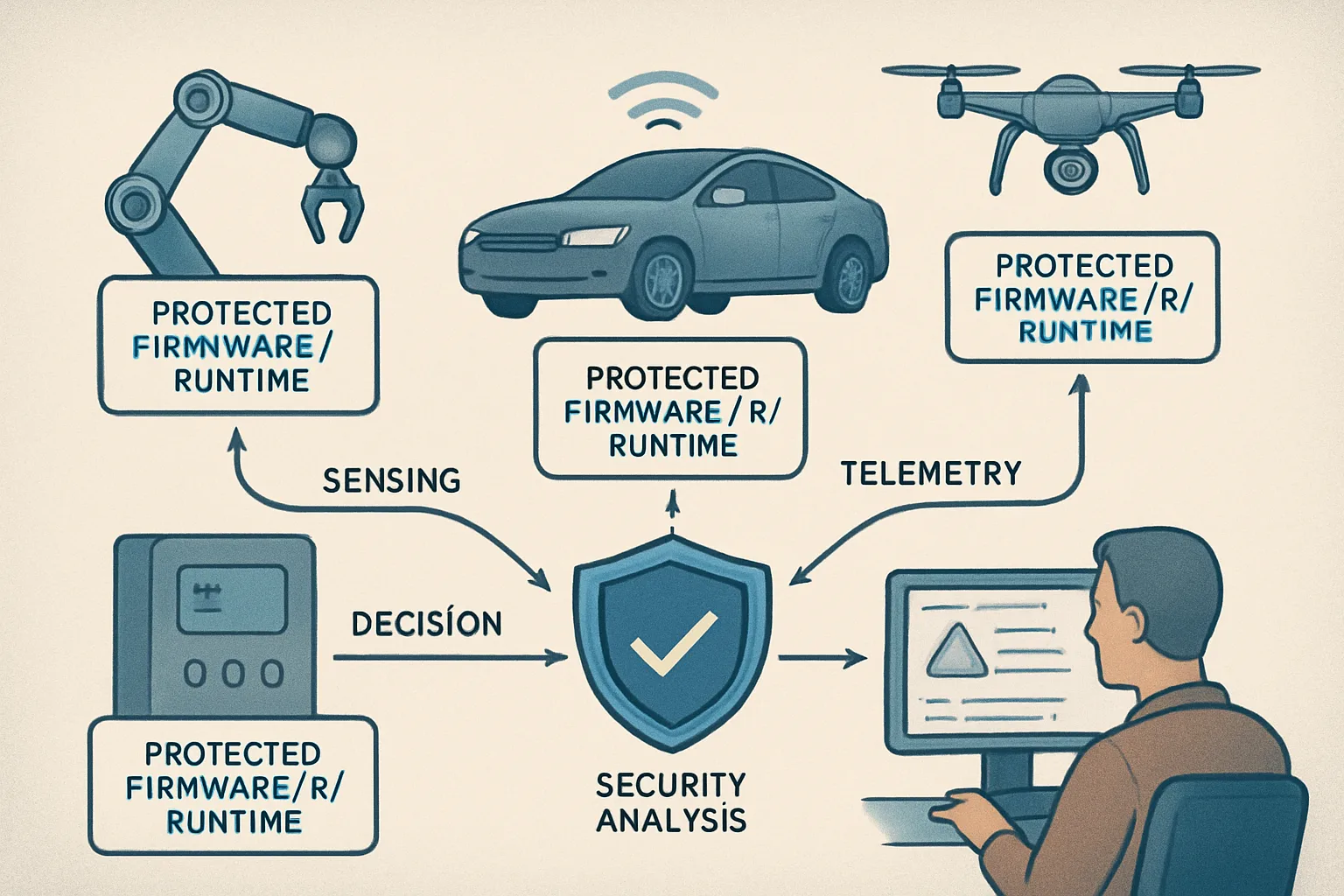
Opponents’ concerns are not merely rhetorical. Vehicles now sit at the intersection of functional safety and cybersecurity. A poorly executed calibration can degrade ADAS performance; insecure access pathways can create attack surfaces; and vehicle telemetry can reveal sensitive location and behavioral data. The policy challenge is to enable competition without turning the vehicle into an open, ungoverned network node.
The practical question becomes: what does “parity access” mean in a zero-trust world? A workable framework would need to clarify issues such as:
- Authentication and authorization: strong identity, role-based access, and auditable permissions for repair tools and technicians.
- Secure diagnostics and update pathways: ensuring that access to repair data does not become access to unsafe firmware modification.
- Privacy-by-design controls: limiting the exposure of personally identifiable data and ensuring consumer consent where appropriate.
- Liability and accountability: defining responsibility when third-party access is misused or when a repair outcome affects safety-critical systems.
- Intellectual property boundaries: distinguishing between necessary repair information and proprietary software assets that OEMs argue should remain protected.
In effect, the REPAIR Act debate is forcing the industry to articulate a modern governance model for vehicle data portability—one that aligns with emerging expectations from regulators, insurers, and smart-city stakeholders who increasingly view mobility data as both economically valuable and societally sensitive.
The platform economy of mobility and the regulatory ripple effects ahead
The REPAIR Act arrives amid broader political momentum to curb platform monopolies and expand right-to-repair principles beyond consumer electronics into industrial and transportation domains. The automotive sector, however, carries unique weight: it is simultaneously a mass-market consumer product, a safety-regulated system, and a strategic technology industry undergoing electrification and autonomy transitions.
Several forward trajectories are already visible:
- OEM platform redesign: automakers may further modularize architectures and offer tiered access—such as certified third-party portals, sandboxed APIs, or “repair-as-a-service” subscriptions that preserve security while meeting parity requirements.
- Aftermarket reinvention: independent shops may consolidate into networks, form data-sharing consortiums, or partner with telematics providers—evolving from service providers into mobility-data operators offering predictive maintenance and fleet analytics.
- Investment and M&A tailwinds: private equity and venture capital are likely to increase bets on diagnostic tooling, calibration automation, telematics platforms, and automotive cybersecurity—industries that become more valuable when access expands under compliance guardrails.
- Global standard-setting pressure: the U.S. approach could influence international norms, with OEMs pushing for harmonized standards under bodies such as UNECE and ISO to avoid fragmented compliance across markets.
Ultimately, the REPAIR Act is less about the wrench and more about the rules of digital competition in the next-generation automotive economy. As vehicles become defined by software, sensors, and data flows, the policy choices made now will determine whether mobility evolves as an open ecosystem of interoperable services—or consolidates further into tightly controlled, vertically integrated platforms where repair is just another subscription gate.
 By
By
 By
By
 By
By
 By
By

 By
By

 By
By