
A 1954 icon that still prices like a market leader in luxury hospitality
The Fontainebleau Miami Beach occupies a rare position in the global resort economy: a legacy asset that continues to behave like a modern, high-margin experiential platform. A recent one-night stay priced around $900 in the Château Tower is less a curiosity than a signal—premium leisure demand, when paired with unmistakable brand equity and operational discipline, can remain resilient even as travelers scrutinize discretionary spending.
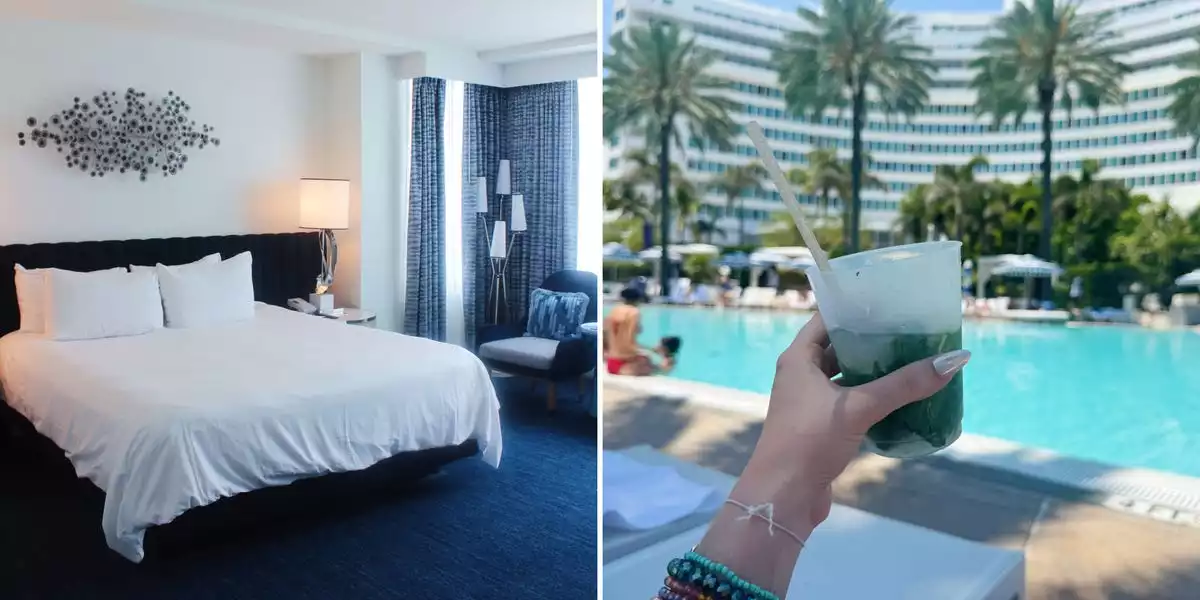
What stands out is how the property converts architectural identity into commercial performance. The resort’s Art Deco–inspired grandeur, defined by sweeping curves and crystal chandeliers, is not merely aesthetic; it functions as brand infrastructure—a recognizable narrative that supports pricing power, social visibility, and repeat demand. In a competitive Miami Beach luxury landscape, that narrative is reinforced by scale: nine food-and-beverage outlets, spa and retail, multiple pools, and direct beach access create a “stay-on-property” gravity that reduces leakage to competitors and increases ancillary capture.
At the room level, the formula is equally deliberate. Contemporary furnishings, panoramic ocean views, and a marble spa bath are not just amenities; they are product cues that justify rate integrity and encourage upsell behavior. The Fontainebleau’s enduring advantage is its ability to make “a room night” feel like a complete experience SKU—one that can be expanded through dining, wellness, cabanas, and nightlife.
The operational technology stack behind “seamless” as a revenue strategy
A smooth check-in and well-orchestrated in-room experience increasingly imply more than good staffing—they suggest a digitally mediated service layer. For business and technology leaders, the Fontainebleau example underscores how luxury hospitality is evolving into a systems integration challenge: the guest experience is only as frictionless as the connections between property systems.
Key technological implications visible in this kind of operation include:
- Integrated property-management systems (PMS) and guest-facing digital services
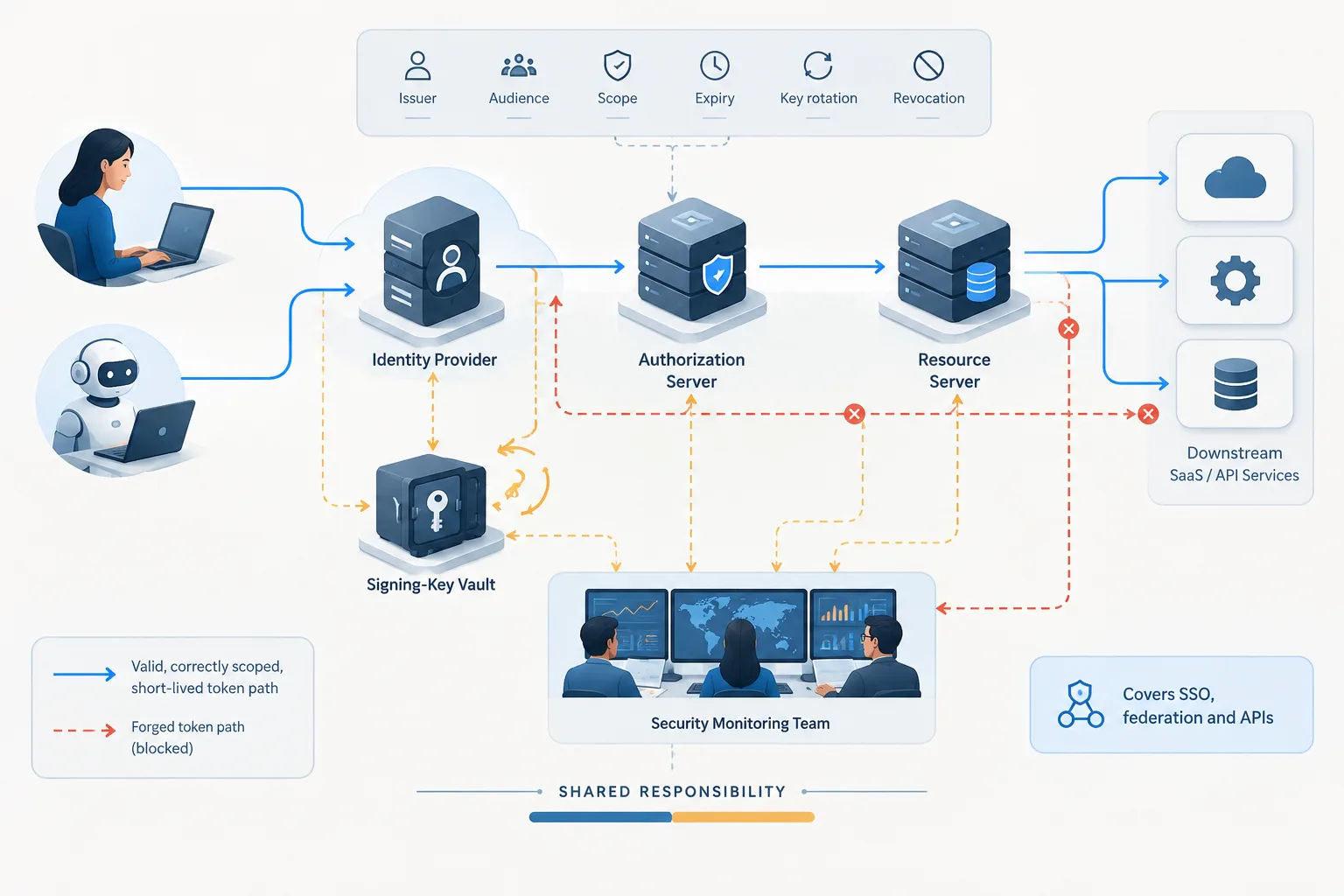
Seamless arrivals and personalized touches often depend on tight orchestration between PMS, CRM, housekeeping workflows, and guest messaging. The strategic direction across the sector is toward modular, API-driven architectures that allow hotels to plug in mobile keys, room-control apps, and in-stay ordering without rebuilding core infrastructure.
- AI-assisted revenue management and demand forecasting
Achieving near-full occupancy at premium rates—particularly when conference demand is present—points to sophisticated yield practices. Modern revenue management increasingly uses machine learning models to forecast transient versus group demand, optimize length-of-stay controls, and dynamically adjust pricing across room categories and packages. The business outcome is not simply higher ADR (average daily rate), but more consistent RevPAR performance through demand volatility.
- IoT and smart-building retrofits in legacy properties
Floor-to-ceiling windows, spa-style plumbing, and large-scale common areas are operationally expensive to run. Embedding smart HVAC controls, occupancy sensors, and water-usage monitoring can materially reduce energy and maintenance costs—especially in older, iconic buildings where retrofits must be carefully balanced against design preservation. This is a growing partnership arena for building-automation startups and established facilities platforms.
In this context, “luxury” is increasingly defined by invisible reliability: the guest sees ease and comfort; the operator sees data, automation, and margin protection.
Pricing power, “bleisure,” and the economics of a self-contained resort ecosystem
The Fontainebleau’s ability to sustain $900+ pricing speaks to a broader macro pattern: affluent travel demand remains comparatively inelastic when the product is differentiated and experience-rich. Even in inflation-sensitive environments, trophy resorts can insulate performance by selling not only accommodation, but status, convenience, and curated variety.
Several economic dynamics converge here:
- Luxury consumption resilience
Premium rates hold when the guest perceives a complete, high-trust environment—especially in destinations where alternatives may be fragmented across smaller properties. The Fontainebleau’s breadth of amenities supports a “one decision” purchase: book once, access many experiences.
- Tourism rebound and the rise of bleisure travel
The presence of a marketing conference crowding public areas is not merely a nuisance variable; it’s evidence of the business-leisure blend reshaping occupancy patterns. Remote-work flexibility and hybrid schedules are pushing travelers to extend work trips or work from resorts, making midweek demand more valuable—and more contestable.
- Real estate valuation under cap-rate pressure
With higher interest rates constraining deal volume and altering underwriting assumptions, trophy hotels face a valuation test. Strong operating metrics—particularly RevPAR and ancillary revenue per guest—become a counterweight, supporting net asset value even as financing tightens. In other words, operational excellence becomes a form of balance-sheet defense.
Notably, the conference crowd dynamic also highlights a strategic truth: a resort’s scale can preserve both vibrancy and pockets of calm. When designed and managed well, high occupancy does not automatically degrade the luxury experience; it can instead amplify it—if guest flow, staffing, and amenity distribution are engineered to absorb demand.
Where luxury hospitality strategy is headed: personalization, resilience, and new revenue rails
The Fontainebleau model—iconic design plus diversified amenities plus data-driven operations—maps closely to where the upper tier of hospitality is moving next. The forward-looking playbook is less about adding another restaurant and more about building a connected commercial ecosystem.
Strategic priorities emerging from this pattern include:
- AI-driven personalization at scale across pre-arrival, in-stay, and post-stay touchpoints—linking CRM signals with real-time context such as weather, local events, and on-property capacity to shape offers that feel timely rather than promotional.
- Digital twins and predictive maintenance to reduce downtime across critical infrastructure (elevators, HVAC, pools) and to model guest flow during peak conference periods—turning operations into a measurable, optimizable system.
- MICE (Meetings, Incentives, Conferences, Exhibitions) as a demand multiplier that fills midweek rooms and drives high-margin F&B, often without major capital expenditure—provided the resort can protect leisure guest satisfaction through zoning and service design.
- ESG and coastal resilience planning as valuation fundamentals in Miami Beach, where climate risk is not theoretical. Investors increasingly expect proactive disclosure and credible investment in shoreline strategy, energy efficiency, and carbon management.
The Fontainebleau’s enduring relevance is not nostalgia; it is execution. It demonstrates how a legacy resort can function like a contemporary platform business—monetizing architecture, orchestrating experiences, and using technology to protect both the guest journey and the income statement in a market that rewards precision as much as prestige.

 By
By
 By
By
 By
By

 By
By


 By
By