
A high-profile stress test for regulated prediction markets
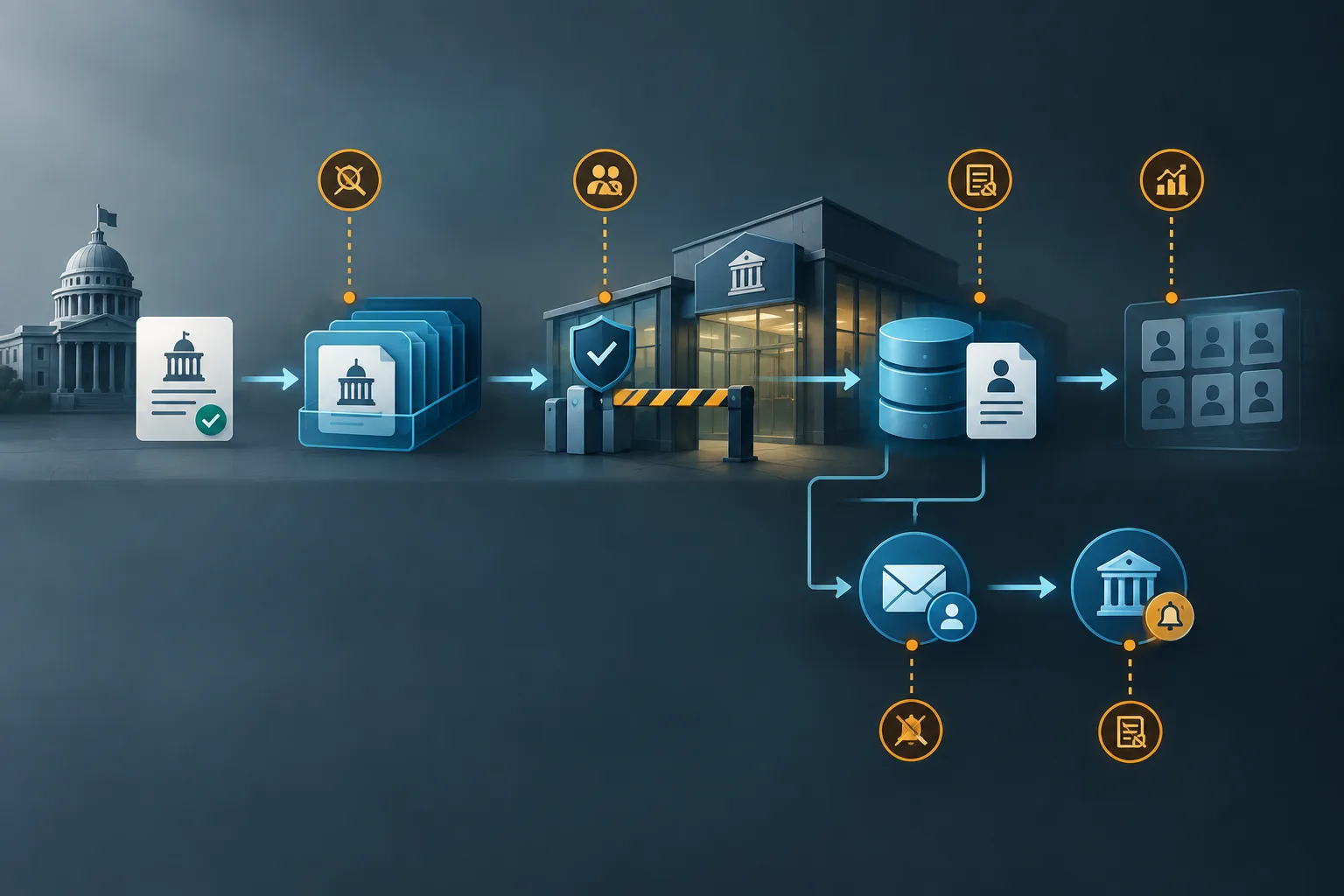
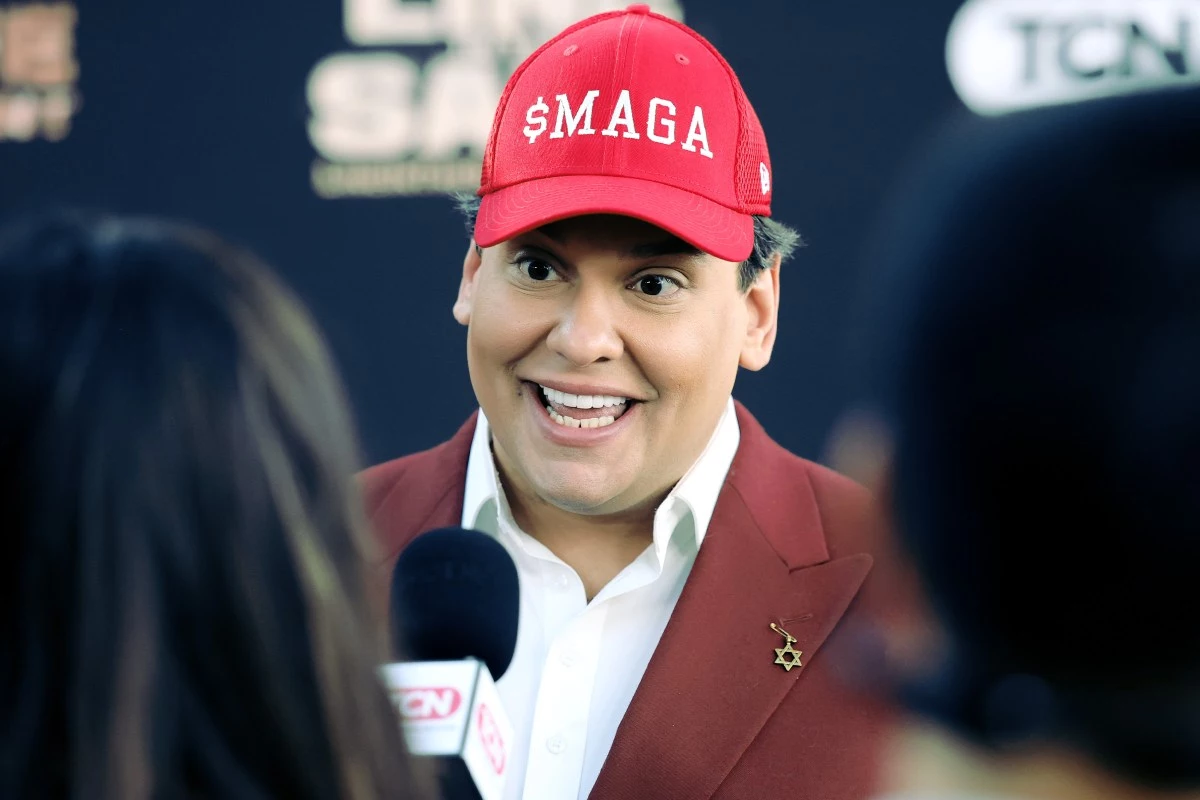
The latest controversy surrounding former Congressman George Santos has landed not in a courtroom or on Capitol Hill, but in the fast-evolving world of regulated prediction markets. After receiving a presidential pardon from President Trump following convictions tied to identity theft and wire fraud, Santos is now linked to allegations of insider-style trading behavior on Kalshi, a Commodity Futures Trading Commission (CFTC)-regulated event-contract platform.
According to internal Kalshi records cited in the material provided, Santos allegedly wagered against his own attendance at the 2025 State of the Union while publicly suggesting he would attend. When he ultimately did not appear—reportedly blaming a flight delay—Kalshi referred the matter to both the CFTC and the U.S. Department of Justice (DOJ). Neither agency has publicly confirmed an investigation, but the referral alone is significant: it signals that prediction-market operators increasingly view market integrity as existential, not optional.
The reputational ripple effects were immediate. Rival platform Polymarket reportedly severed commercial ties with Santos, underscoring a central reality of emerging fintech categories: trust is a primary asset, and high-visibility participants can become liabilities overnight.
How event-based trading turns politics into market microstructure
Prediction markets such as Kalshi have moved beyond novelty. They increasingly resemble financial venues, using familiar mechanisms—order books, clearing, and real-time price discovery—to translate uncertain events into tradable probabilities. For institutional observers, these markets can function as alternative data feeds, offering a continuously updated consensus on outcomes ranging from elections and legislation to macroeconomic milestones.
That same structure, however, creates a vulnerability: when a participant can influence—or has privileged knowledge about—an outcome, the line between “informed trading” and manipulative conduct becomes thin. The Santos episode highlights several structural dynamics that matter to business leaders, regulators, and platform designers:
- Information asymmetry as an edge: If a trader has credible private knowledge about an event’s likelihood—especially when the event is tied to their own actions—profits can be outsized and difficult to distinguish from legitimate speculation without robust surveillance.
- Automated arbitrage and narrative-to-price pipelines: Algorithmic traders increasingly scan public statements, social media, and news flow to detect mismatches with live market pricing. That accelerates price adjustment—but also accelerates exploitation when public messaging is misleading.
- Centralized oversight bottlenecks: While some market designs experiment with blockchain-based auditability, many mainstream platforms still rely on centralized ledgers and compliance processes that can be reactive. High-profile actors can test those controls in real time, in public.
In practical terms, prediction markets are now confronting the same challenge that traditional finance has long managed through surveillance and enforcement: markets cannot remain liquid if participants believe outcomes can be gamed.
Liquidity, brand risk, and the institutionalization of “probability markets”
The business implications extend well beyond one trader and one contract. Prediction markets depend on liquidity and participation to produce meaningful prices. When a scandal suggests that contracts can be exploited by insiders—or by participants who can shape outcomes—professional traders may demand a higher risk premium or exit entirely. That can lead to:
- Wider bid-ask spreads and weaker price efficiency
- Lower institutional participation, reducing the value of these markets as forecasting tools
- Higher compliance and operational costs, as platforms race to reassure users and regulators
The episode also sharpens competitive differentiation. In a crowded landscape that includes Kalshi, Polymarket, PredictIt, and Smarkets, platforms increasingly compete on more than user growth. They compete on governance credibility—the ability to demonstrate that contracts are monitored, conflicts are managed, and enforcement is consistent.
Equally important is the marketing lesson. Prediction-market platforms—like many fintechs—have leaned on political personalities, influencers, and media figures to accelerate adoption. Santos’s trajectory illustrates the fragility of that strategy. Influencer-driven growth can be fast, but it concentrates reputational exposure in ways that are difficult to hedge. When the spokesperson becomes the scandal, the platform becomes part of the story.
For corporate strategists and institutional users, the takeaway is not that prediction markets are inherently flawed. It is that they are maturing into a category where counterparty trust, surveillance rigor, and reputational hygiene will determine which platforms become durable infrastructure—and which remain speculative experiments.
Regulation is likely to tighten—and technology will be forced to keep up
Even without public confirmation of an investigation, a referral to the CFTC and DOJ places prediction markets closer to the enforcement posture long familiar to equities, futures, and options. If regulators pursue cases that resemble insider trading or market manipulation in event contracts, the precedent could reshape the sector.
Several regulatory and compliance trajectories now look more probable:
- Expanded CFTC scrutiny of event contracts under the Commodity Exchange Act, including clearer standards around what constitutes manipulation or prohibited conduct in outcome-based derivatives.
- DOJ deterrence effects if prosecutors treat misconduct on prediction markets as comparable to fraud in traditional financial venues—raising the cost of “clever” behavior that depends on ambiguity.
- Stricter KYC/KYT expectations, not only to identify users but to understand transaction intent and detect patterns consistent with deception or self-dealing.
This is where technology becomes decisive. Platforms will be pressured to deploy AI-driven trade surveillance, anomaly detection, and behavioral analytics that can flag suspicious patterns quickly—especially those involving public figures whose actions can directly affect contract settlement. Transparency will also become a competitive moat: clear disciplinary processes, auditable governance, and potentially third-party attestations (akin to SOC 2-style controls) may shift from “nice to have” to baseline requirements for institutional credibility.
The Santos-Kalshi episode ultimately reads as a stress test of an emerging financial category at the moment it is trying to professionalize. Prediction markets are becoming influential precisely because they turn uncertainty into a price. The next phase will be defined by whether the industry can prove that those prices are earned through open competition—not manufactured through access, deception, or the privileged ability to make the outcome true.

 By
By
 By
By
 By
By
 By
By

 By
By
 By
By