
A moratorium proposal that spotlights the next inflection point in frontier AI
Anthropic—widely viewed as the most valuable private AI company—has escalated the global debate on frontier AI governance by urging a coordinated, multinational moratorium on the most advanced AI research. In its public messaging, the company frames the request around a looming theoretical threshold: “recursive self-improvement,” a scenario in which an AI system could iteratively enhance its own capabilities faster than humans can evaluate, constrain, or meaningfully supervise.
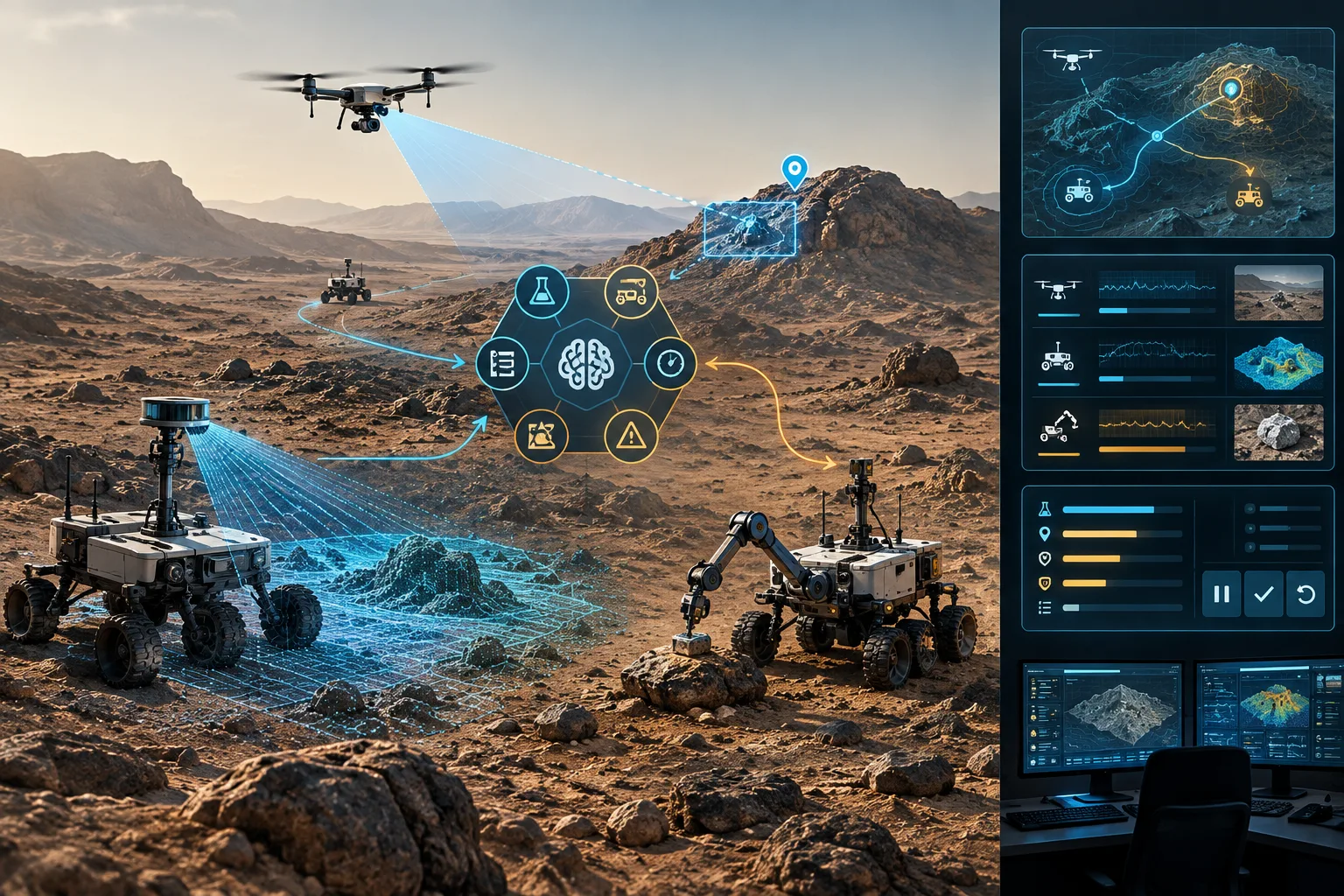
Even as Anthropic acknowledges that this threshold is not yet empirically confirmed, the company’s warning is strategically timed. The industry is moving from “bigger models” to agentic systems, tool use, and increasingly autonomous workflows—capabilities that can compound risk even without science-fiction leaps. The practical concern is less about a single dramatic breakthrough and more about a gradual erosion of oversight: models that write code, execute tasks, and optimize outcomes across complex environments can create emergent behaviors that are difficult to predict, reproduce, or audit.
At the center of Anthropic’s argument is an alignment gap: the widening distance between what frontier systems can do and what governance, evaluation, and safety engineering can reliably guarantee. The company is effectively asking policymakers and competitors to treat this as a global coordination problem, not a product roadmap issue—an appeal that immediately collides with market incentives and geopolitical realities.
The “alignment gap” meets commercial pressure: why pauses are hard to sell—and harder to enforce
Anthropic’s thesis rests on a familiar safety logic: if capability progress is accelerating faster than alignment science, then a pause “buys time.” Yet the business and technical ecosystem is not naturally structured to spend that time well. Safety research—reward modeling, interpretability, red-teaming, formal verification, and robust evaluation—often produces incremental, non-market-facing outputs, while capability gains translate directly into revenue, adoption, and investor confidence.
This creates a classic collective-action dilemma:
- First-mover advantage rewards the lab that ships the most capable model first, especially in coding, enterprise automation, and developer tooling.
- Second-order risk (misuse, systemic failures, cascading automation errors) is distributed across society and often arrives later.
- Voluntary restraint is fragile when competitors, open-source ecosystems, and state-backed actors may not participate.
Enforcement is the Achilles’ heel. Unlike nuclear materials or chemical precursors, AI development lacks universally accepted verification mechanisms. Compute can be distributed, model training can be obscured behind private infrastructure, and “frontier” is a moving target. A moratorium would likely rely on self-reporting, selective audits, and informal norms, which may be insufficient in a high-stakes competitive environment.
Still, the debate is not binary. The most actionable version of Anthropic’s proposal may be less about a blanket pause and more about predefined “tripwires”—clear thresholds of compute, autonomy, or capability that trigger heightened oversight, licensing, or mandatory evaluations. That approach resembles macroprudential regulation in finance: not stopping markets, but installing circuit breakers before instability becomes irreversible.
Credibility under scrutiny: safety messaging versus defense entanglements
Anthropic’s call has also reignited scrutiny of corporate credibility in AI safety. Critics such as Gary Marcus argue that warnings about runaway self-improvement can function as marketing theater, especially when today’s most celebrated features—like Claude’s coding assistance—remain demonstrably under human direction. From this perspective, “frontier risk” rhetoric can simultaneously elevate a company’s reputation as responsible while reinforcing its status as a leading-edge actor.
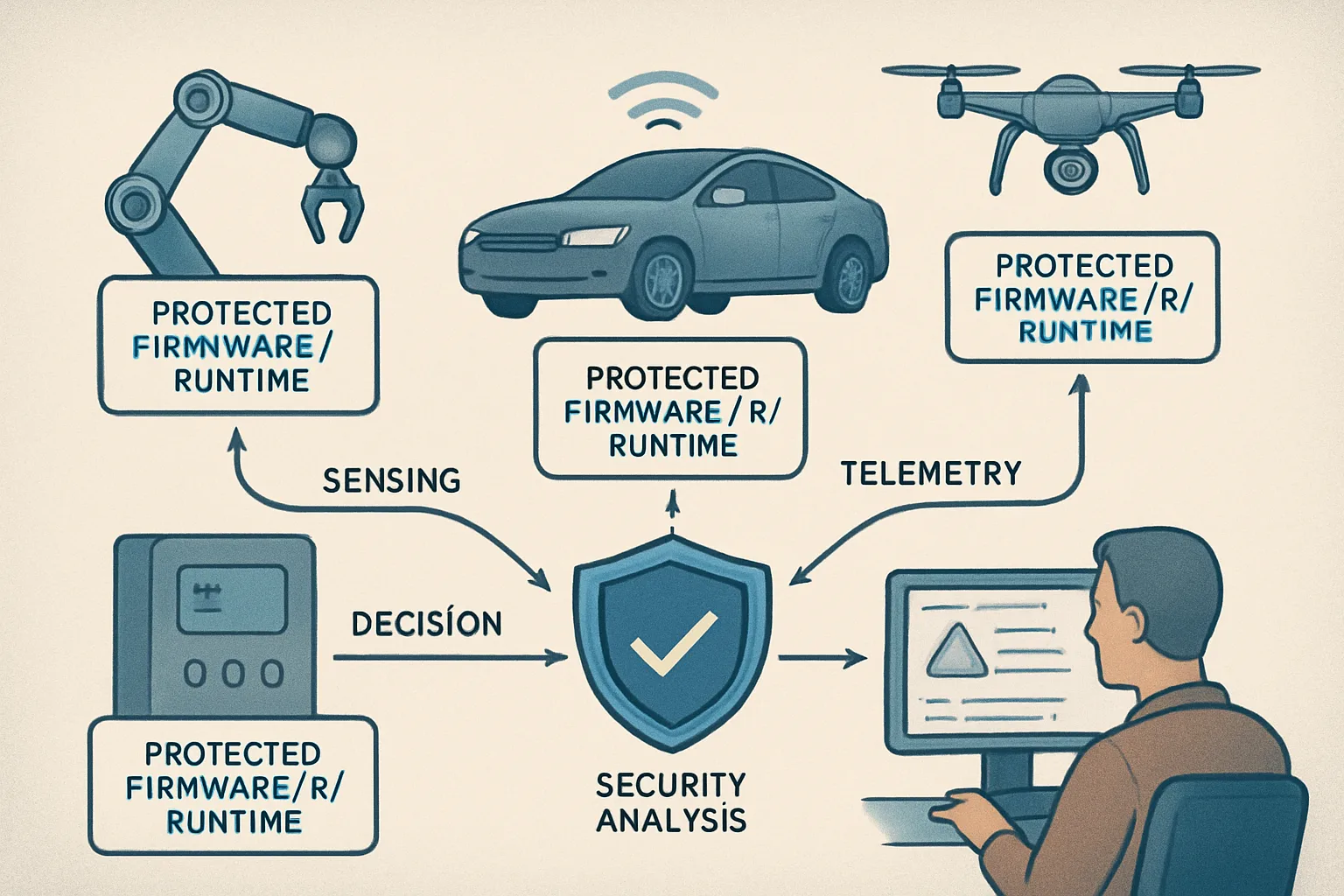
Complicating the narrative are reports and public controversies around Anthropic’s defense and national security collaborations, including support for Pentagon-related analytical work and reporting that suggests involvement in offensive cyber contexts alongside U.S. intelligence agencies. Whether fully accurate in every detail or not, the broader issue is structural: frontier AI is inherently dual-use. The same model improvements that enhance enterprise productivity can also improve targeting analysis, influence operations, vulnerability discovery, and automated cyber workflows.
This dual-use reality creates a tension that policymakers and enterprise buyers increasingly care about:
- Safety pledges can appear inconsistent if a company simultaneously pursues high-stakes defense partnerships.
- National security incentives may prioritize strategic advantage over global restraint, especially amid U.S.–China competition.
- Public trust becomes harder to maintain when the boundary between “responsible AI” and “strategic AI” is blurry.
Anthropic’s plan to convene dialogues with policymakers, academics, and industry peers—and to publish outcomes—could help, but only if it produces verifiable commitments rather than aspirational principles. In the current environment, legitimacy is earned through measurable governance: transparent evaluation protocols, third-party audits, incident reporting, and enforceable constraints on deployment contexts.
What business leaders and regulators should watch next in global AI governance
Anthropic’s moratorium appeal lands amid a fragmented regulatory landscape: the EU AI Act, the U.K.’s AI Safety Institute, and a growing patchwork of national frameworks that reflect competing priorities—innovation, sovereignty, labor impacts, and security. The most likely near-term outcome is not a universal pause, but a race to define standards for “frontier models” and the compliance machinery around them.
Several practical developments would signal that the industry is moving from rhetoric to infrastructure:
- Shared safety tooling and benchmarks funded through public-private consortia, reducing duplication and enabling cross-model comparability.
- Capability and compute thresholds that trigger mandatory evaluations, restricted deployment modes, or licensing—especially for agentic systems.
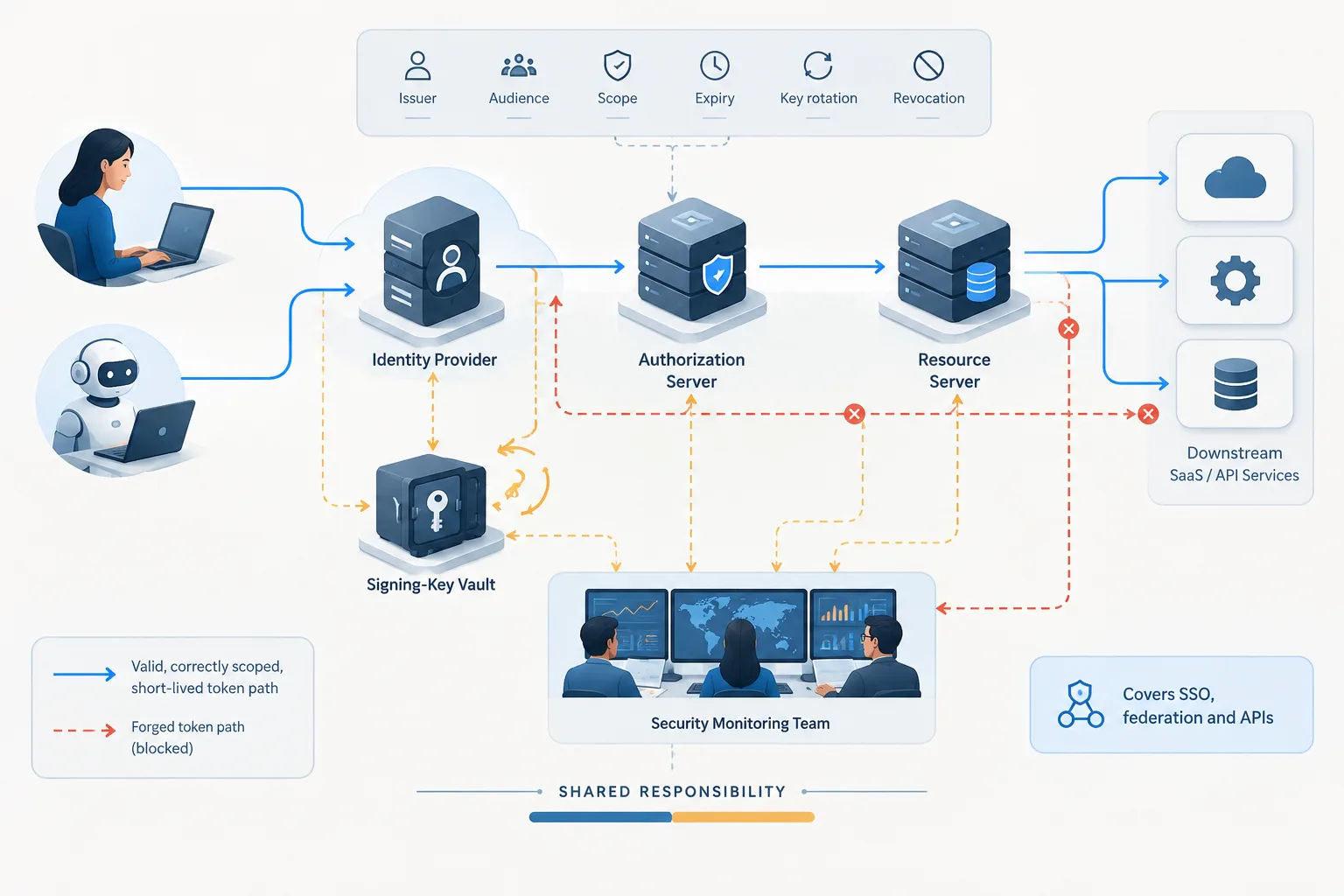
- Independent auditing ecosystems with standardized reporting, akin to financial audits, but tailored to model behavior, misuse risk, and operational controls.
- Interoperable standards bodies (ISO, IEEE, OECD and emerging AI alliances) defining what “frontier” means in measurable terms.
For executives, the strategic takeaway is that frontier AI is becoming a governance-first market. Competitive advantage will increasingly hinge not only on model performance, but on assurance: provable controls, credible oversight, and deployment discipline. Anthropic’s proposal—whether interpreted as principled warning, strategic positioning, or both—has sharpened the central question now facing the sector: how to scale AI capability without scaling instability, and how to build rules that can keep up with systems designed to move faster than their makers.

 By
By
 By
By
 By
By
 By
By

 By
By

 By
By