
A founder’s personal narrative becomes a market signal
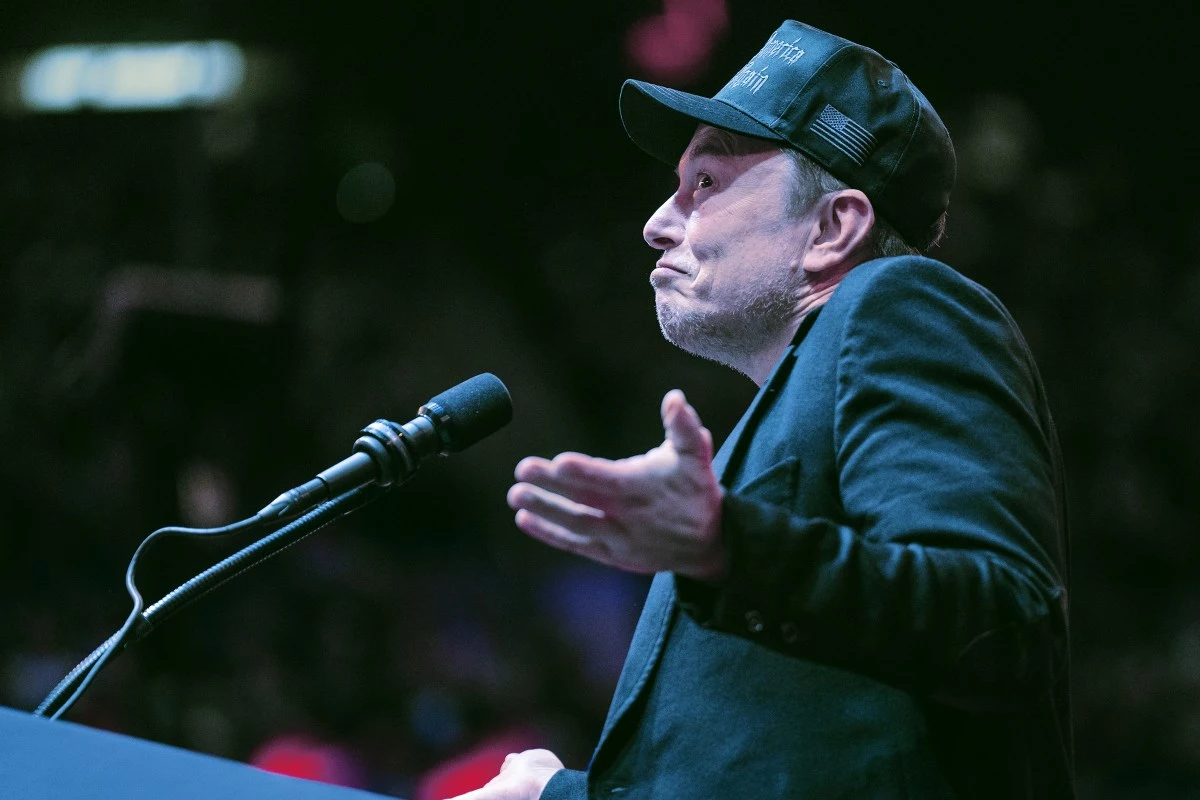
Elon Musk’s public evolution—from a figure once embraced by many liberals in technology and climate circles to a vocal critic of “woke” culture and an increasingly right-aligned political actor—has become more than a personality story. It is now a strategic variable for multiple industries that depend on Musk-led companies: social media (X), electric vehicles and energy (Tesla), space and defense-adjacent services (SpaceX), and the fast-moving AI ecosystem (xAI and the broader OpenAI orbit).
What makes this moment unusually consequential is the way Musk has linked his ideological shift to a deeply personal family conflict: his estranged daughter, Vivian Wilson, who came out as transgender in 2022. Musk has suggested her transition helped catalyze his political realignment; Wilson rejects that framing as reductive and painful, arguing his reactionary trajectory predates her transition and that her identity is being used as a convenient explanatory device.
For business and technology stakeholders, the dispute underscores a hard truth of the current media economy: a founder’s personal storyline can function like a proxy earnings call, shaping perceptions of governance, brand safety, and regulatory posture. When a CEO’s identity politics become inseparable from corporate identity, the market is forced to price not only products and execution—but also volatility, backlash cycles, and policy entanglement.
Key dynamics now in play include:
- Political capital as corporate leverage: Musk’s intensified support for Donald Trump, including reported major financial contributions, signals a bet that political proximity may translate into favorable policy outcomes.
- Reputational risk as a compounding factor: The public family dispute adds an emotionally charged dimension that can amplify scrutiny from employees, advertisers, regulators, and investors.
- Narrative control and stakeholder trust: Wilson’s pushback highlights how contested personal narratives can erode confidence in executive messaging—especially when those narratives are used to justify strategic pivots.
X, content moderation, and the regulatory collision course
Musk’s ideological repositioning is most immediately legible in the governance of X, where “free speech” rhetoric has been central to platform policy and brand identity. The commercial challenge is that speech maximalism and advertiser confidence often pull in opposite directions. Global brands do not buy ideology; they buy predictable environments, measurable reach, and reputational safety.
As Musk’s politics become more explicit, X faces a sharper set of trade-offs:
- Brand safety and ad revenue durability: Advertisers may demand stronger assurances, third-party verification, and clearer enforcement against hate speech and harassment—especially in Europe.
- Regulatory scrutiny under the EU Digital Services Act (DSA): The DSA raises the cost of ambiguity around moderation, risk assessments, and transparency reporting. A platform perceived as politically provocative can invite heightened oversight.
- U.S. policy uncertainty (Section 230 and beyond): A more polarized Washington could reopen debates about platform liability and content governance. Musk’s alignment with one political camp may reduce his ability to position X as a neutral public square in the eyes of regulators and civil society.
For marketers and media buyers, the practical implication is not ideological—it is operational. If platform rules change quickly, or enforcement appears inconsistent, media plans must diversify. In that sense, Musk’s personal politics become a factor in channel strategy, not because advertisers take a side, but because they must manage risk.
AI, climate tech, and the geopolitics of executive ideology
Musk’s political turn also intersects with two domains where regulation is accelerating: artificial intelligence and climate/energy policy. In AI, Musk has argued for caution and has criticized rivals, while also building xAI—an approach that can be read as both principled and competitive. A more conservative posture may tilt toward industry-led self-regulation over government mandates, influencing debates on:
- AI safety standards and audit requirements
- Export controls and advanced semiconductor access
- Cross-border data flows and model training governance
In climate tech, Musk’s distancing from ESG language and “woke” framing complicates Tesla’s long-standing symbolic role as a climate transition bellwether. The business risk is not that EV demand disappears, but that policy alignment becomes less predictable. Under a future Trump administration, potential shifts could include:
- Reduced or restructured EV subsidies and consumer incentives
- Changes to renewable mandates and grid modernization priorities
- A different balance between civil space, defense spending, and industrial policy
Meanwhile, geopolitics remains the silent multiplier. If tariffs on Chinese imports return or expand, and if semiconductor restrictions tighten, Tesla’s China exposure and SpaceX’s globally threaded supply chains could face new friction. Musk’s political advocacy may be intended to shape these outcomes—but it also increases the probability that his companies become symbols within policy battles, not merely participants in markets.
What boards, investors, and advertisers should model next
The Musk–Wilson dispute is not just a cultural flashpoint; it is a case study in how identity, governance, and political finance can converge into material business risk. For boards and C-suites watching this unfold—whether at Musk-led firms or adjacent partners—the most actionable response is scenario planning that treats public controversy as a recurring operating condition.
Priority actions emerging from this episode include:
- Reputational stress-testing: Model how executive political alignment affects customer sentiment, employee retention, and partner willingness across regions.
- Talent and culture instrumentation: Use anonymized feedback channels and pulse surveys to detect morale shifts, particularly among underrepresented groups who may feel newly exposed in politicized workplaces.
- Platform and partnership hedging: Advertisers and developers should map alternatives to X and build contingency plans for sudden policy reversals or moderation shocks.
- Investor stewardship upgrades: Institutional investors—especially those with ESG mandates—may need to sharpen “governance” criteria to include the market impact of a founder’s personal conduct and political activism.
Musk’s influence has always extended beyond balance sheets into the realm of narrative power. The difference now is that the narrative is increasingly contested—at home, in politics, and across the platforms and industries he shapes—making the cost of ambiguity higher for everyone who builds, invests, or advertises in his orbit.

 By
By
 By
By
 By
By
 By
By
 By
By


 By
By