

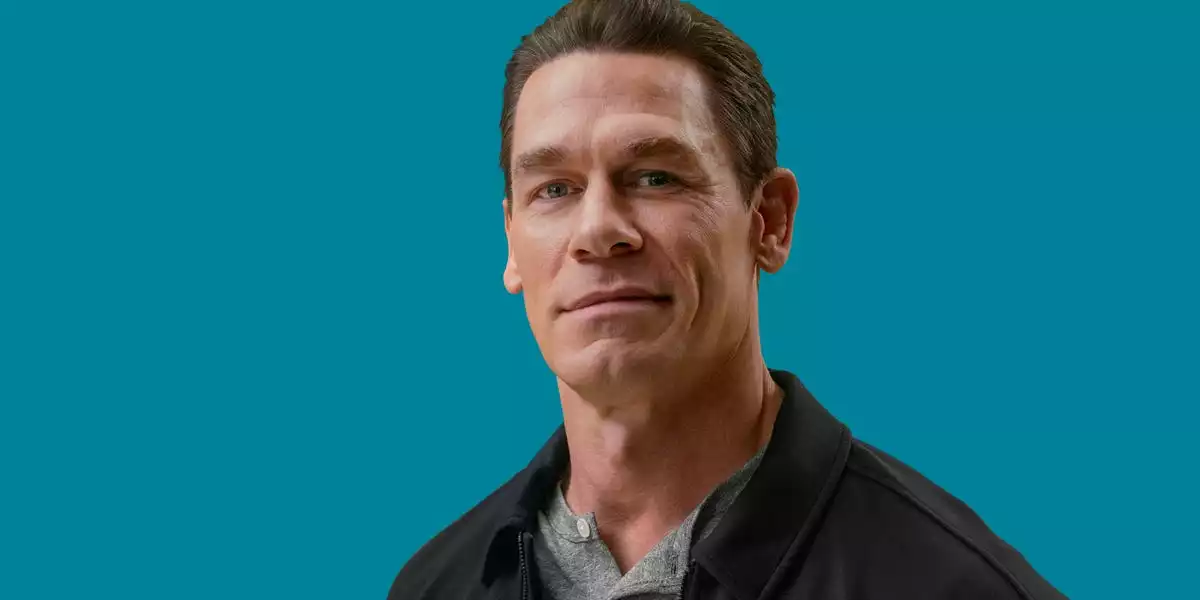

John Cena’s post-ring pivot: from peak performance to functional longevity
John Cena’s latest public evolution is less about reinvention than reallocation—shifting the discipline of elite performance toward the longer arc of healthspan. At 49, the wrestling icon is reframing training around rest, mobility, cardiovascular conditioning, and sustainable strength work, with an unusually vivid north star: the aspiration to still squat heavy at age 85.
That goal matters because it translates an abstract concept—aging well—into a measurable outcome tied to independence, fall prevention, and musculoskeletal resilience. In business terms, it also places Cena squarely inside the expanding longevity economy, where consumers increasingly pay for solutions that preserve function rather than merely treat decline.
Cena’s narrative reflects a broader shift among elite athletes and high performers:
- Recovery is becoming a primary metric, not an afterthought
- Mobility and joint integrity are treated as strategic assets
- Cardiovascular base-building is positioned as foundational, not optional
- Strength training is being redesigned for sustainability, emphasizing consistency and injury avoidance over maximal output
This is not simply lifestyle content. It’s a cultural signal that the definition of “fitness” is moving from aesthetics and peak feats toward durable capability, a framing that resonates with aging demographics and younger consumers already planning for long-term health.
A medical wake-up call meets a maturing preventive-care mindset
Cena’s recent diagnosis of Demodex blepharitis, alongside earlier experiences with skin cancer and hair loss, adds a critical dimension: the role of professional, proactive healthcare in a world saturated with self-diagnosis and wellness shortcuts. Blepharitis—often chronic, frequently misread as routine irritation, and easy to ignore—illustrates how “minor” conditions can erode quality of life and productivity when left untreated.
From a consumer-health perspective, the storyline reinforces several market realities:
- Preventive spend is rising as individuals seek earlier intervention and fewer downstream complications
- Specialty conditions are moving into mainstream awareness, expanding addressable markets for targeted therapies
- Trust is shifting toward clinically grounded guidance, particularly when public figures normalize seeking care
For employers, insurers, and health-tech platforms, this is the practical takeaway: prevention is no longer just a cost-control thesis—it is becoming a consumer expectation. As populations age and chronic conditions accumulate, the economic value migrates to models that keep people functional longer, reduce avoidable escalation, and improve adherence through clearer education.
Celebrity–biopharma alliances enter a more strategic, regulated era
Cena’s newly announced partnership with Tarsus Pharmaceuticals, maker of XDEMVY, is emblematic of a more sophisticated phase of influencer marketing in healthcare—one that aims to balance awareness-building with regulatory constraints and patient safety. Unlike conventional consumer endorsements, prescription-drug communications operate under strict guardrails, which makes the choice of messenger and message architecture unusually consequential.
The strategic logic is straightforward:
- Biotech and specialty pharma need differentiated awareness in crowded therapeutic categories
- Patients often delay care due to stigma, confusion, or normalization of symptoms
- A recognizable public figure can compress the education curve, making a niche condition legible and actionable
Yet the implications run deeper than reach. The next generation of celebrity–healthcare partnerships will increasingly be judged by measurable outcomes, not just impressions—especially as companies integrate campaign performance with:
- Patient-reported outcomes (PROs)
- Real-world evidence (RWE) signals
- Adherence and persistence metrics
- Downstream clinical engagement, such as specialist visits and appropriate diagnosis rates
This is where the market is heading: from direct-to-consumer storytelling toward direct-to-patient enablement, with transparency and compliance as differentiators rather than constraints. Expect more scrutiny, clearer disclosure standards, and a premium on partnerships that can demonstrate they improved understanding and prompted appropriate care—without overpromising.
The technology and investment ripple effects: mobility, tele-specialty care, and data-driven recovery
Cena’s longevity-oriented regimen and medical journey also map neatly onto where capital and product innovation are converging. As high-intensity, peak-centric training gives way to lifespan-oriented routines, demand rises for tools that quantify recovery, reduce injury risk, and personalize programs—especially for consumers who want athlete-grade structure without athlete-grade wear and tear.
Several categories stand to benefit:
- Wearables and AI analytics that translate sleep, strain, heart-rate variability, and joint load into actionable guidance
- Mobility and recovery technologies, from sensor-assisted training to next-gen physical therapy platforms
- Tele-ophthalmology and verticalized specialty care, which can reduce misdiagnosis and accelerate treatment for under-addressed conditions
- Integrated wellness ecosystems that combine physical, mental, and even spiritual well-being into cohesive member experiences
For business leaders, the playbook is increasingly clear. Brand equity can be redeployed into adjacent markets—health, education, personal finance—when it is anchored in authenticity and paired with credible expertise. Meanwhile, the most defensible “longevity” offerings will likely be those that combine: trusted distribution, clinical validation, and data-driven personalization into sticky, long-term relationships.
John Cena’s shift is ultimately less about celebrity and more about a changing definition of performance—one that prizes durability, professional care, and measurable function across decades. For the business and technology landscape, it’s a timely case study in how influence, biotech innovation, and preventive-first consumer behavior are converging into the next major health economy.

 By
By
 By
By
 By
By
 By
By
 By
By


 By
By







