

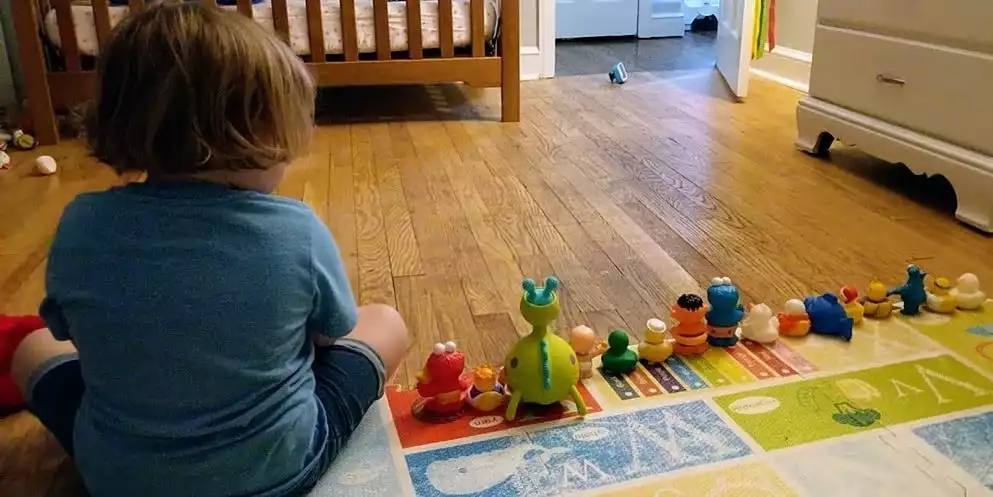

TikTok’s “trinket daughters” and the new mechanics of childhood desire
A seemingly playful TikTok label—“trinket daughters”—is revealing something more structurally important about modern consumer behavior: social platforms are no longer just reflecting tastes; they are actively shaping the rituals of childhood play and purchase. In short-form video, the smallest objects become the most shareable. A handful of miniature charms, plastic figurines, tiny stationery, or pocket-sized collectibles can be displayed, counted, traded, and “hauled” on camera with maximal visual payoff and minimal cost.
For parents, the phenomenon often starts innocently: a child discovers the joy of collecting, arranging, and storytelling through objects. But the platform dynamics quickly change the tempo. TikTok’s loopable formats and peer comparison can turn collecting into a high-frequency identity practice, where “having more” signals belonging, creativity, or status within a micro-community.
Several forces converge here:
- Algorithmic amplification of novelty: small, cheap items provide constant “new content,” which the platform rewards.
- Micro-influencer normalization: parent creators and kid-centric accounts reframe accumulation as a lifestyle aesthetic.
- Emotional attachment at scale: children don’t just own trinkets; they curate them, name them, and assign narratives—making decluttering feel like loss, not organization.
The result is a modern paradox: low-stakes purchases that create high-stakes household negotiations—over space, order, and the emotional meaning of “stuff.”
The micro-collectibles economy: sub-€5 SKUs as a serious retail strategy
Behind the domestic clutter is a fast-emerging commercial pattern: the rise of micro-collectibles as a distinct consumer goods segment. These are typically sub-€5, high-churn, high-velocity products—small enough to impulse-buy, cheap enough to repeat, and varied enough to sustain a steady stream of novelty.
This category is increasingly influential because it can cannibalize traditional toy spending. Instead of a few larger purchases, households drift toward “more but smaller,” especially when budgets are tight but children’s requests are constant and socially reinforced. For retailers and brands, micro-collectibles offer attractive economics:
- Frequent purchase cadence: low price points reduce friction and increase repeat buying.
- Rapid trend responsiveness: small items can be refreshed quickly to match viral aesthetics.
- Shelf and feed compatibility: they work both as checkout-lane temptations and as social-media props.
Strategically, the segment invites experimentation with:
- Limited editions and themed drops tied to entertainment IP, seasons, or charitable causes—raising perceived value without raising size or complexity.
- Subscription “trinket boxes” that convert impulse demand into predictable revenue and controlled novelty.
- Secondary-market ecosystems—kid-friendly trading, swapping, and collection tracking—turning passive accumulation into interactive engagement.
For executives, the key question is not whether micro-collectibles are “real toys,” but whether they represent a new unit of consumer attention—a physical equivalent of the swipe, the like, and the short-form loop.
The home as showroom—and the physical mirror of digital hoarding
The post-pandemic home has become a multi-purpose environment: office, classroom, entertainment hub, and increasingly, a retail endpoint where purchases arrive faster and accumulate more visibly. That shift intensifies the tension at the heart of the “trinket daughter” story: children experience delight and control through collecting, while parents experience the operational burden of managing hundreds of tiny objects.
What makes this trend especially resonant is how closely it parallels digital content overload. The psychology is familiar:
- Intermittent rewards: the next trinket might be the “best one,” mirroring loot-box logic and infinite scroll.
- Fear of missing out: limited runs and peer sharing create urgency.
- Difficulty curating meaning: when everything is small and plentiful, prioritization becomes emotionally and cognitively hard.
In that sense, trinket clutter is not merely mess—it is a material expression of the attention economy. The household becomes the place where algorithm-driven desire meets physical constraints: drawers, shelves, floors, and parental patience.
Some families are responding with pragmatic compromises—floating display shelves and visible storage that reframes clutter as a “collection.” This matters: display is not just organization; it is validation. It tells the child their interest is legitimate while still imposing boundaries on volume.
Where technology, logistics, and sustainability collide next
The “trinket daughters” phenomenon is also a preview of where consumer tech and retail operations may go next—because it exposes a solvable pain point: object management. If families can track photos, playlists, and screen time, why not physical micro-inventories?
Emerging opportunities sit at the intersection of smart home, retail, and behavioral design:
- AI-assisted decluttering apps using computer vision to inventory collections, suggest duplicates to donate, and create “digital keepsakes” (including 3D scans) to reduce physical volume without erasing emotional value.
- IoT-enabled storage and shelving using RFID or Bluetooth tagging to support sorting, locating, and even gamified cleanup routines.
- Micro-fulfillment logistics optimized for low-value, high-velocity goods—urban proximity warehousing that shortens delivery times and supports trend volatility.
- Sustainable packaging redesign as regulators and consumers scrutinize the waste footprint of shipping large volumes of tiny items.
For brands, the marketing playbook is already visible: micro-influencer partnerships, “first-edition” seeding, and experiential pop-ups that translate online micro-trends into physical retail moments. Yet the longer-term winners are likely to be those that balance growth with trust—building circular ecosystems (take-back, upcycling, trading) and resisting the temptation to treat children’s attention as an endlessly extractable resource.
The “trinket daughter” label may read like internet whimsy, but the underlying signal is serious: in a home-centered, platform-mediated economy, tiny objects can carry outsized strategic weight—for retailers chasing viral demand, for technologists building the next layer of household management, and for parents navigating the boundary between self-expression and saturation.

 By
By
 By
By

 By
By
 By
By

 By
By
 By
By







