


A landmark Hurler syndrome case reframes the gene-therapy risk narrative
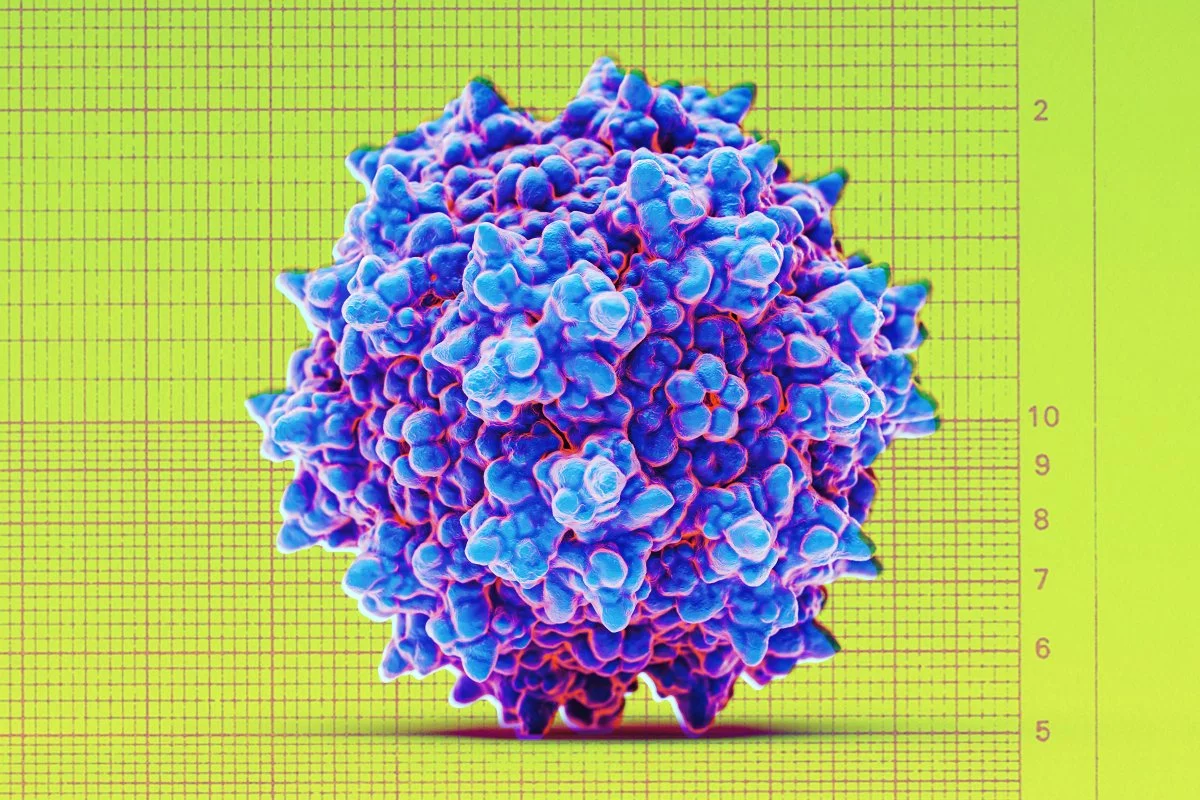
A recent New England Journal of Medicine report has delivered one of the clearest real-world illustrations of gene therapy’s defining tension: extraordinary therapeutic upside paired with low-frequency, high-impact genomic risk. The patient—a young child with Hurler syndrome (MPS I), a severe inherited enzyme-deficiency disorder that disrupts neurodevelopment—received adeno-associated virus (AAV)–mediated gene transfer after a bone-marrow graft failed to achieve the needed clinical outcome.
Early signals were encouraging. Clinicians observed milestones in brain growth that tracked with expectations for therapeutic benefit. Then came the inflection point: imaging revealed a walnut-sized brain tumor, later attributed to off-target integration of the AAV vector. The lesion was surgically removed, and the child’s cognitive trajectory remains positive—an outcome that is both reassuring and sobering. Reassuring, because the adverse event was detected and managed; sobering, because it underscores that even “workhorse” delivery systems can produce rare but consequential outcomes.
For the business and technology ecosystem around advanced therapeutics, the case is less a referendum on gene therapy than a forcing function: it accelerates the shift from “can we deliver genes?” to “can we prove we can deliver them safely, predictably, and at scale?”
Vector engineering meets genomic reality: why AAV safety is being re-litigated
AAV has earned its central role in in vivo gene delivery because it is generally low immunogenic and has a strong track record relative to earlier viral systems. Yet the same attribute that made AAV broadly acceptable—its historically low integration rate—can create a false sense of security when therapies move into sensitive tissues such as the central nervous system. Even rare random integration events can matter if they land near regulatory elements or proto-oncogenes, potentially triggering dysregulated growth.
This is where the field’s technical roadmap is quickly converging:
- Safer vector architectures: next-generation designs such as self-inactivating vectors, improved capsids, and more controlled expression cassettes aim to reduce unintended activation of nearby genes.
- Site-specific integration concepts: integrase systems and recombinases are being explored to steer insertion away from dangerous genomic neighborhoods, though clinical maturity varies.
- Precision editing alternatives: CRISPR base editors and prime editors offer the promise of correction without double-strand breaks, potentially lowering some tumorigenic pathways—while introducing their own off-target and bystander-editing profiles that must be mapped with equal rigor.
Equally important is the growing recognition that traditional preclinical paradigms can underpredict human outcomes. Rodent models often fail to replicate human insertional patterns and tissue-specific biology. As a result, safety science is becoming more computational, more human-relevant, and more data-intensive:
- Humanized organoids and iPSC-derived neural systems are emerging as critical tools for CNS-targeted therapies, enabling earlier detection of aberrant growth signals.
- AI/ML-driven in silico screening is moving from “nice-to-have” to essential infrastructure, forecasting potential off-target binding and integration hotspots and enabling vector redesign before clinical exposure.
- Multi-omics integration (genomics, epigenomics, transcriptomics) is increasingly positioned as the only credible way to understand how vector behavior intersects with patient-specific biology.
In practical terms, the competitive edge may shift toward companies that can demonstrate a repeatable, auditable safety pipeline—not just a compelling efficacy story.
Capital markets, reimbursement, and regulation: the cost of uncertainty rises
Gene therapies often carry high valuations per asset, reflecting their potential to transform ultra-rare diseases with limited alternatives. A high-profile adverse event does not necessarily derail the category, but it can reshape how risk is priced—especially for early-stage platforms without long-term datasets.
Expect several market-level adjustments:
- Investment diligence deepens: investors may require expanded safety packages, longer follow-up plans, and clearer genomic risk controls before funding later rounds.
- Valuation dispersion increases: platforms with robust integration profiling, AI-augmented safety analytics, and human-relevant preclinical evidence may command premiums, while “standard AAV” narratives may face tougher scrutiny.
- M&A gets more forensic: acquirers are likely to demand deeper genomic “footprint” analyses—effectively treating off-target risk as a core diligence domain alongside manufacturing and IP.
On the payer side, the case reinforces a trend already underway: one-time, high-cost interventions are difficult to finance under traditional reimbursement models, and safety uncertainty amplifies payer caution. That dynamic favors:
- Outcome-based contracts tied to durability and safety endpoints
- Annuity-style payments that spread cost over time
- Mandatory registries and extended surveillance as conditions of coverage, particularly for pediatric and CNS indications
Regulators, too, are likely to respond in ways that ripple across development timelines. The FDA and EMA have steadily emphasized long-term follow-up for viral vectors; cases like this strengthen the argument for longer observation windows, more stringent post-market commitments, and more explicit informed-consent language that addresses rare, delayed risks in plain terms.
The next competitive frontier: safety platforms, non-viral delivery, and real-world monitoring
The most consequential takeaway for the sector is that safety is no longer a compliance checkbox—it is becoming a product feature and a strategic moat. Companies that operationalize safety as a platform capability may move faster in the long run, even if near-term development becomes more demanding.
Several forward paths are coming into sharper focus:
- Tiered safety frameworks that combine molecular assays, organoid studies, and population-scale genomics to detect risk earlier and more reliably
- Global real-world registries for gene-therapy recipients, enabling faster signal detection for rare adverse events—an approach informed by lessons from mRNA vaccine pharmacovigilance
- Non-viral delivery maturation (lipid nanoparticles, exosomes, synthetic polymers), particularly attractive for sensitive targets where integration risk is unacceptable
- “Genome twin” modeling—a conceptual parallel to digital twins in manufacturing—using in silico simulations to anticipate how therapies behave across diverse genetic backgrounds and epigenetic states
The Hurler syndrome case does not diminish gene therapy’s promise; it clarifies the price of earning durable trust. The winners in this market will be those that can pair clinical ambition with measurable control over genomic outcomes, proving not only that they can change biology—but that they can do so with precision, transparency, and accountability.

 By
By
 By
By


 By
By

 By
By
 By
By







