


A promotional event that doubles as a stress test for outdoor retail economics
REI’s 2024 Anniversary Sale (through May 25) arrives at a moment when outdoor recreation is colliding with a tougher consumer balance sheet. High interest rates and lingering inflation have made shoppers more deliberate, especially in discretionary categories like camping, hiking, and adventure technology. Against that backdrop, REI’s approach is notable not simply for the breadth of markdowns, but for how the sale is engineered to reinforce a durable business model: membership-led loyalty paired with seasonal inventory discipline.
The headline mechanics are straightforward—discounts across a wide range of outdoor gear, plus an extra 20% off one full-price or REI Outlet item for members—yet the implications are more strategic. This structure effectively creates a two-tier marketplace:
- Non-members see compelling price reductions that can trigger trial purchases.
- Members receive an additional incentive that nudges higher basket sizes and repeat engagement, while making the membership fee feel immediately “earned back.”
For REI, the sale window also functions as a calibrated lever for spring-to-summer demand shaping. Concentrated promotions help clear inventory ahead of peak season, reduce warehousing pressure, and sharpen merchandising clarity—particularly important in an era where supply chains are more stable than the pandemic years, but still vulnerable to volatility in freight costs, lead times, and category-level overhang.
The gear mix signals where outdoor spending is migrating: from products to platforms
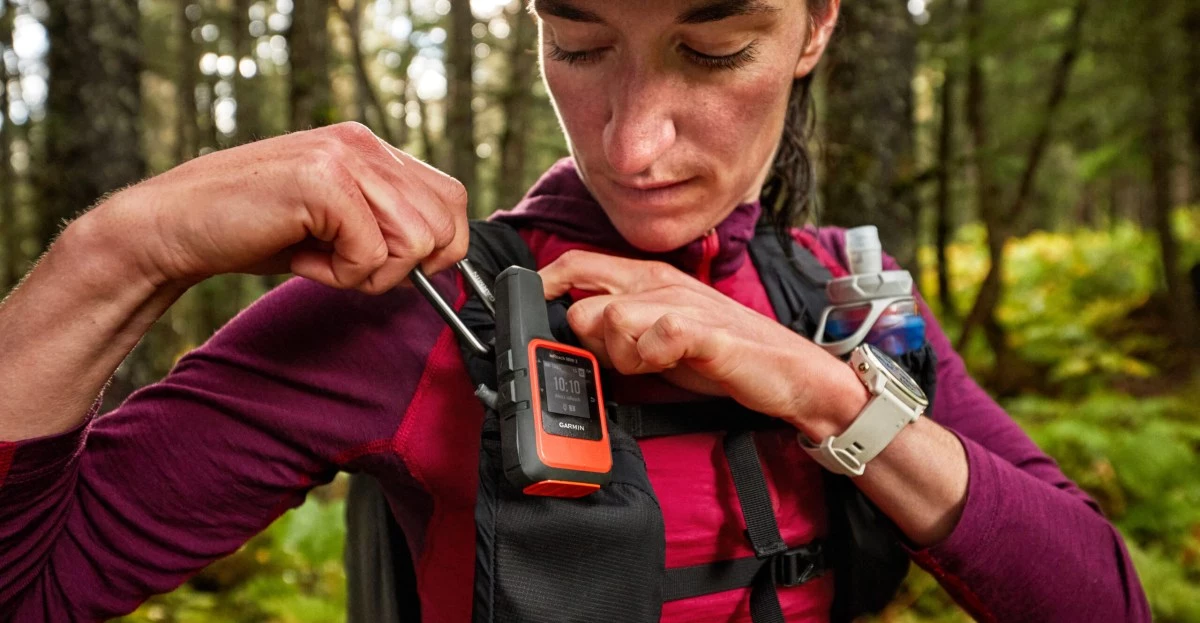
What stands out in this year’s sale assortment is the prominence of connected outdoor technology alongside classic essentials. The inclusion of wearables such as Garmin Fenix 8, Garmin Venu 4, and Amazfit Active 2, plus satellite safety devices like Garmin inReach Mini 2/3 and Garmin Messenger Plus, underscores a broader shift: outdoor gear is increasingly purchased not as isolated equipment, but as entry points into data-driven ecosystems.
Wearables have matured from step counters into multisport computing platforms—bundling GPS navigation, training load metrics, sleep and recovery analytics, and increasingly sophisticated health signals. For consumers, that means the purchase decision is less about a single hike and more about an ongoing lifestyle system. For brands and retailers, it means:
- Higher lifetime value potential through accessories, upgrades, and service plans
- A stronger role for software and subscriptions (especially satellite communication)
- A growing expectation that devices will integrate seamlessly with mobile apps and cloud profiles
Even in the “traditional” categories—sleep systems, shelter, and camp kitchens—the sale highlights products that reflect modern usage patterns: compact, modular, and optimized for quick deployment. Items such as the MSR PocketRocket 2 and comfort-forward sleep solutions like the Exped MegaMat speak to a consumer who wants both performance and convenience, often within shorter trip windows.
The auxiliary essentials—portable power banks, headlamps, and water filters—are not mere add-ons. They are the connective tissue of the modern outdoor kit, enabling longer runtimes for devices, safer navigation, and more self-sufficient travel. In retail terms, these categories are also prime for cross-sell orchestration, especially when digital storefronts can recommend complementary items based on browsing behavior and past purchases.
Membership, omnichannel execution, and the quiet power of personalization
REI’s membership model is more than a loyalty program; it is a behavioral flywheel. The extra 20% member discount is simultaneously a margin concession and a retention mechanism—one that encourages customers to consolidate purchases within REI’s ecosystem rather than shop deal-by-deal across competitors.
This is where omnichannel execution becomes decisive. A sale of this scale tests whether a retailer can deliver:
- Real-time inventory visibility across stores and e-commerce
- Consistent pricing and promotion logic across app, web, and in-store
- Frictionless fulfillment options (pickup, ship-to-home, ship-to-store)
Just as important is how effectively REI can personalize the experience during a high-traffic promotional period. With the right recommendation systems, a tent discount becomes a pathway to a complete kit: stakes, footprint, sleeping pad, water filtration, and power. In a market where consumers are value-conscious, personalization is not only about upselling—it’s about reducing decision fatigue and increasing confidence that the purchase is “complete” and fit for purpose.
For brands like Garmin and emerging wearable players, REI’s sale environment also creates co-marketing opportunities. Bundles that pair hardware with services—such as satellite communicators with tiered plans—can convert one-time transactions into recurring relationships, while giving REI differentiated merchandising angles beyond price.
Where this sale points next: services, circularity, and data as the new outdoor currency
The most forward-looking signal in REI’s Anniversary Sale is how naturally it supports a transition from retail transactions to service-enabled outdoor participation. As outdoor recreation becomes more intertwined with wellness and safety, the market is opening to new business layers:
- Subscription and warranty bundles that turn devices into recurring-revenue anchors
- Experiential retail through demos, guided outings, and skills education that increase conversion beyond discounts
- Circular-economy programs—repair, refurbish, resale—that align with sustainability expectations while extending customer lifetime value
There is also a less visible, but increasingly consequential dimension: data. Wearables and satellite devices generate streams of location, performance, and usage information. With appropriate consent and governance, aggregated insights could inform everything from product development to route planning tools and partnerships with tourism and outdoor-tech ecosystems. In that sense, the sale is not only moving inventory—it is expanding the installed base of connected users, which is where future platform value tends to accumulate.
REI’s 2024 Anniversary Sale, then, reads as more than a seasonal discount event. It is a snapshot of outdoor retail’s next chapter: membership economics reinforcing loyalty, connected devices reshaping category demand, and omnichannel personalization turning gear purchases into longer-term relationships—the kind that endure long after the last markdown expires.

 By
By
 By
By
 By
By
 By
By


 By
By
 By
By







