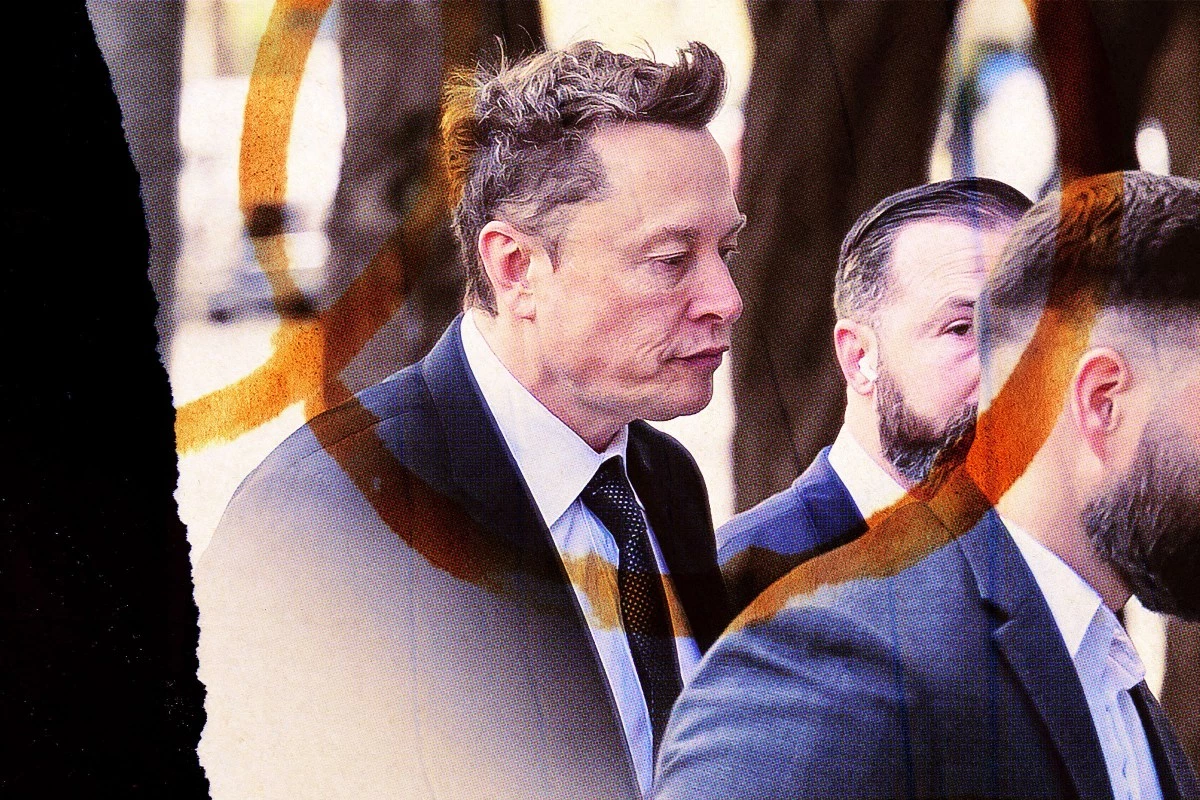

A new lens on Elon Musk’s Tesla leadership footprint
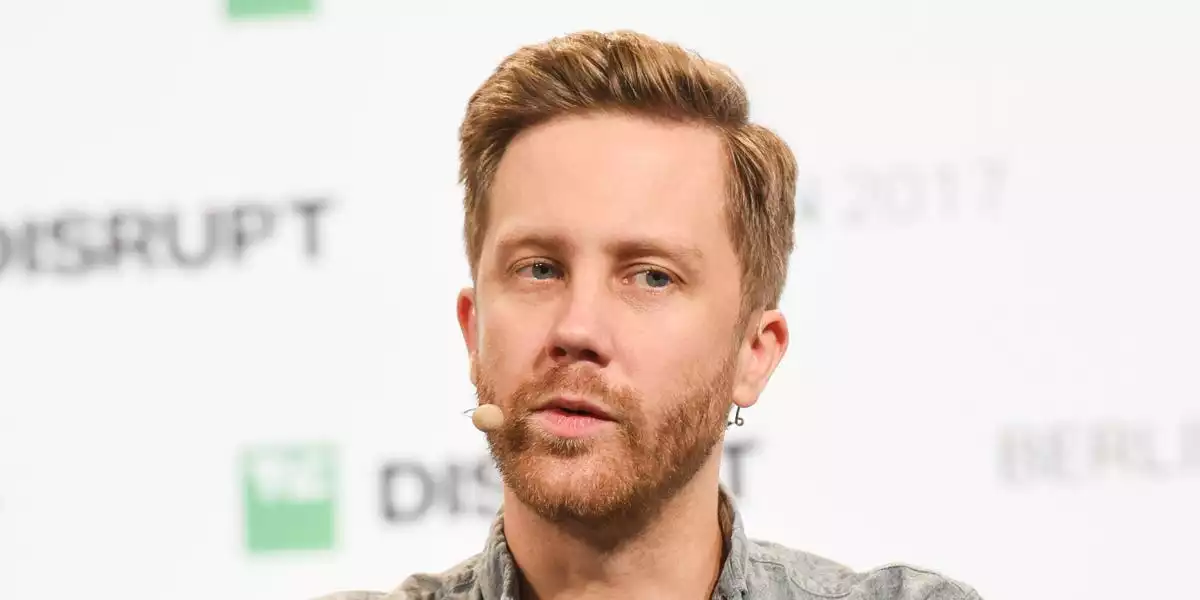
Jon McNeill’s account—shared in a *Washington Post* interview and elaborated in his book *The Algorithm*—adds a consequential datapoint to the ongoing debate about how Tesla is actually run. The headline claim is stark: Elon Musk reportedly spent as little as one full workday per week on Tesla’s day-to-day operations, reserving the bulk of his time and attention for space ambitions. If accurate, the disclosure reframes Tesla’s internal mechanics, not merely as a founder-led enterprise, but as a company that has long relied on delegated authority, executive autonomy, and a culture engineered to move without constant CEO presence.
McNeill’s anecdotes are especially revealing because they focus on the mundane—the operational “glue” that determines whether a high-growth technology company scales cleanly. A decision such as instituting customer follow-ups before test drives is not glamorous, yet it is the kind of process change that can materially affect conversion rates, brand trust, and customer experience. The suggestion that such choices were left to senior leaders, with Musk implicitly endorsing autonomy rather than micromanagement, paints a picture of a CEO functioning less as a daily operator and more as a strategic accelerant—stepping in selectively, shaping direction, and then letting teams execute.
This characterization also collides with Musk’s widely cultivated public persona as an all-consuming workaholic embedded in Tesla’s operational trenches. For investors, employees, and regulators, that gap between image and reported practice is not just reputational trivia; it is a question of governance clarity and execution accountability in a company operating at the intersection of software, manufacturing, safety regulation, and AI.
Decentralized execution as a technology strategy, not a managerial accident
Tesla’s speed—across software releases, manufacturing iteration, and product changes—has often been described as a competitive advantage rooted in engineering intensity. McNeill’s depiction suggests another driver: a decentralized innovation model that reduces friction in decision-making. In practical terms, this resembles the operating patterns of high-growth software companies more than legacy automakers:
- Flat hierarchies and empowered leads can shorten the path from problem identification to deployment.
- Agile, squad-like execution enables rapid iteration without waiting for executive sign-off on every change.
- A “skunkworks” ethos can thrive when senior teams are trusted to ship, measure, and refine.
From a technology governance perspective, this model can be highly effective in domains where iteration is safe and reversible—particularly software features, UI changes, and internal tooling. Tesla’s over-the-air update capability makes this even more potent, allowing the company to treat vehicles as evolving platforms rather than static products.
Yet the same decentralization becomes more complex when applied to areas where iteration is expensive, regulated, or safety-critical—manufacturing processes, supply-chain decisions, driver-assistance behavior, and compliance documentation. In those arenas, speed without structured oversight can translate into quality variability, recall risk, and regulatory scrutiny. The operational question is not whether autonomy is good or bad; it is whether the organization has clear decision rights, escalation paths, and auditability to match the pace it celebrates.
Space-first prioritization and the logic of cross-company synergy
McNeill’s account also invites a strategic interpretation: Musk’s preference for rockets may reflect a belief that aerospace is the primary frontier, with Tesla serving as both a commercial engine and a technology counterpart. The idea of cross-pollination between Tesla and SpaceX is not new, but the leadership time-allocation claim sharpens it into a governance issue: if the CEO’s attention is concentrated elsewhere, then Tesla’s performance depends even more on institutional capability rather than founder bandwidth.
Potential synergy areas often cited by analysts include:
- Materials science and manufacturing methods (lightweighting, high-strength alloys, production automation)
- Battery engineering and energy systems (pack design, thermal management, supply-chain strategy)
- Autonomy and sensing (computer vision approaches, embedded compute constraints, reliability engineering)
Even if these overlaps are real, synergy is not automatic; it requires deliberate coordination, talent mobility frameworks, and guardrails around intellectual property, safety standards, and compliance. A CEO operating as a portfolio leader can catalyze this coordination—but it also heightens the importance of strong deputies and transparent internal interfaces between teams and business units.
What this means for investors, boards, and competitors in the EV and AI era
For markets, the most material implication is that Musk’s brand remains both an asset and a risk multiplier. His public narrative has historically driven consumer attention, investor enthusiasm, and media dominance—advantages that are difficult to quantify but undeniably powerful. At the same time, if day-to-day execution is delegated to a relatively small circle of leaders, then Tesla’s operational resilience depends on:
- Depth and stability of the executive bench
- Consistency of decision-making under pressure
- Board-level visibility into risk, compliance, and product readiness
- Clear delineation of what requires CEO involvement versus delegated authority
This is where governance evolves from a compliance checkbox into a competitive capability. Boards overseeing founder-centric, multi-venture executives may increasingly formalize:
- Delegation charters that define decision domains and escalation triggers
- Risk-management committees tuned to software-defined vehicles, AI systems, and global supply chains
- Redundancy protocols for high-risk decisions (a “two-in-the-room” standard without paralyzing speed)
Competitively, Tesla’s approach may also create openings. EV rivals—particularly fast-scaling players with strong manufacturing discipline—can exploit any mismatch between innovation velocity and quality-control rigor. Meanwhile, Tesla’s empowered senior leaders, if visibly successful, become attractive targets in a market where incumbents and new entrants alike are trying to replicate Silicon Valley-style execution inside industrial organizations.
McNeill’s disclosures ultimately spotlight a defining tension in modern tech-industrial companies: the shift from CEO-as-operator to CEO-as-orchestrator. Tesla’s next phase—autonomy, global manufacturing scale, and intensifying regulatory attention—will test whether decentralized speed can be paired with institutional control, and whether the company’s identity can remain durable even when its most famous leader is, by design, somewhere else.

 By
By
 By
By
 By
By
 By
By
 By
By
 By
By