
Zendaya’s red-carpet evolution as a blueprint for luxury brand economics
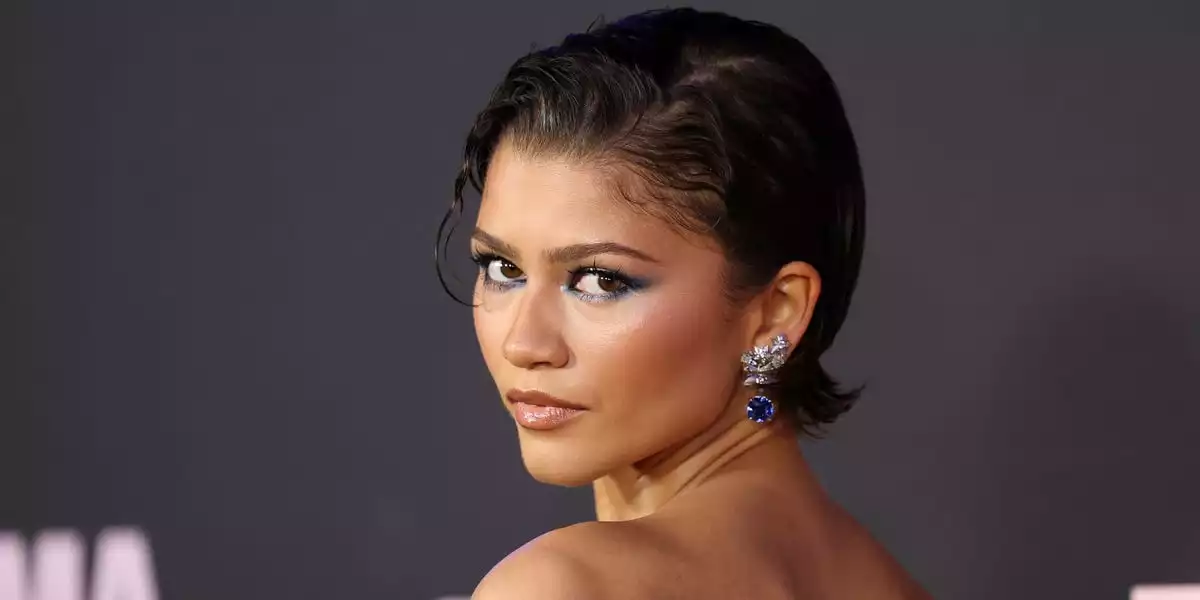
Zendaya’s journey from her 2015 Met Gala debut to her most recent high-impact appearances reads as more than an aesthetic arc—it functions as a case study in how celebrity, luxury fashion, and technology now co-produce commercial value. Her alignment with maisons including Louis Vuitton, Balmain, Bottega Veneta, and Thierry Mugler illustrates a modern reality: the red carpet is no longer merely a cultural stage; it is a high-frequency marketing channel with measurable downstream effects on brand equity, consumer demand, and digital engagement.
What has changed is not simply the scale of attention, but the structure of the partnership. Luxury houses increasingly treat top-tier talent less as a one-time endorser and more as a “living brand ambassador”—a sustained, narrative-driven relationship that compounds value over time. In practical terms, each appearance becomes a repeatable business mechanism that can drive:
- Brand media value spikes (often reaching tens of millions of dollars per major moment, depending on reach and amplification)
- Search and social surges that translate into product discovery and conversion pathways
- Longer campaign half-lives, as editorial coverage, fan analysis, and platform algorithms keep the look circulating well beyond the event itself
For fashion executives, the strategic takeaway is clear: celebrity partnerships are shifting from publicity into portfolio assets—managed, optimized, and measured across channels like any other high-performing growth lever.
From atelier to algorithm: how couture moments pressure-test supply chains
Behind the spectacle sits a less visible transformation: Zendaya’s frequent silhouette shifts—ranging from archival references to futuristic, armor-like constructions—signal the operational demands of modern luxury. To deliver bespoke, conversation-defining pieces on compressed timelines, brands are investing in supply-chain agility and customization infrastructure that looks increasingly like advanced manufacturing.
Key operational implications include:
- Rapid prototyping and 3D digital design: Luxury houses are adopting digital garment simulation tools to iterate quickly, reduce sampling waste, and accelerate approvals before physical construction begins.
- Distributed atelier networks: To meet deadlines and complexity requirements, brands lean on specialized local craftsmanship ecosystems—effectively building flexible production capacity without fully internalizing it.
- Micro-collection and capsule strategies: Red-carpet moments can anchor mini curated releases—small runs tied to a look’s narrative—creating scarcity, supporting premium pricing, and reinforcing direct-to-consumer momentum.
This is where the business logic becomes especially compelling: a single high-visibility appearance can justify investments in digital product development pipelines that later benefit broader categories—ready-to-wear, accessories, and even licensing. In other words, couture-level demands are increasingly shaping the tooling and tempo of mainstream luxury operations.
The new marketing stack: attribution, sentiment, and personalization at celebrity scale
The modern red carpet is also a data event. Each Zendaya appearance triggers immediate spikes in search traffic, social conversation, and purchase intent, pushing luxury brands to build marketing systems capable of connecting cultural impact to commercial outcomes. The industry’s direction is unmistakable: from impression counting to performance attribution.
Brands now deploy a more technical playbook, including:
- Pixel-level tracking and referral attribution to connect campaign content, influencer amplification, and e-commerce lift
- Sentiment analysis to quantify not just volume of conversation, but tone—critical for luxury positioning where negative virality can be costly
- AI-driven personalization informed by engagement signals (color preferences, styling motifs, fabric interest), feeding recommendation engines that tailor assortments to micro-audiences
Zendaya’s fan ecosystem is particularly instructive because it blends mass reach with high interpretive engagement—audiences don’t just view the look; they decode it, remix it, and circulate it. That behavior creates a rich signal environment for machine learning systems, enabling luxury brands to refine everything from product suggestions to creative direction and inventory bets.
Where luxury fashion, sustainability, and digital ownership are heading next
Zendaya’s fashion narrative also lands in a complex macroeconomic moment. With inflation shaping consumer scrutiny, luxury must continually justify price through craft, exclusivity, and story density. Red-carpet looks—especially those featuring experimental cuts or innovative materials—help reinforce the perception that luxury is not merely expensive, but distinctly engineered and culturally meaningful.
At the same time, sustainability pressures are rising from regulators, investors, and consumers. High-profile appearances increasingly serve as a platform to signal:
- Lower-impact materials (recycled, bio-based, or responsibly sourced textiles)
- Decarbonization efforts in production and logistics
- Circular-fashion commitments, from repairability to resale ecosystems
The next frontier sits at the intersection of spectacle and software: immersive commerce and digital ownership. Augmented-reality try-ons, virtual showrooms, and live-streamed runway experiences aim to replicate the emotional intensity of the red carpet at global scale. Meanwhile, NFTs and digital wearables—still early and uneven in adoption—hint at a future where “virtual red-carpet” assets become monetizable collectibles, potentially enabling royalties, secondary-market participation, and tokenized scarcity tied to iconic designs.
Zendaya’s trajectory underscores a defining shift in luxury fashion: the most valuable partnerships now fuse talent, technology, and operational innovation into a single growth system—where a look is not just worn, but engineered to travel across platforms, markets, and business models with compounding returns.

 By
By
 By
By
 By
By
 By
By
 By
By

 By
By