
A “bigger burger” moment—and what the taste test really signals
A comparative taste test of flagship supersized burgers from McDonald’s, Wendy’s, Burger King, In-N-Out, and Shake Shack reads like a consumer-facing food review, but it also functions as a sharp snapshot of where the quick-service restaurant (QSR) and fast-casual burger market is heading. Prices clustered in a relatively narrow premium band—roughly $10.49 to $13.89—yet the eating experience varied widely, underscoring a core commercial truth: scale and indulgence are not the same as value.
The standout result was Burger King’s Triple Whopper as the overall favorite, credited for flame-grilled flavor, balanced toppings, and a size that still felt “manageable.” That detail matters. In an era when social media rewards spectacle and “stack height,” the winning formula wasn’t maximalism—it was calibrated abundance. The less-favored entries reveal the risks of chasing size without rebalancing the product:
- Shake Shack: premium cues and richer ingredients, but criticized for excess richness, a reminder that “luxury” can tip into fatigue.
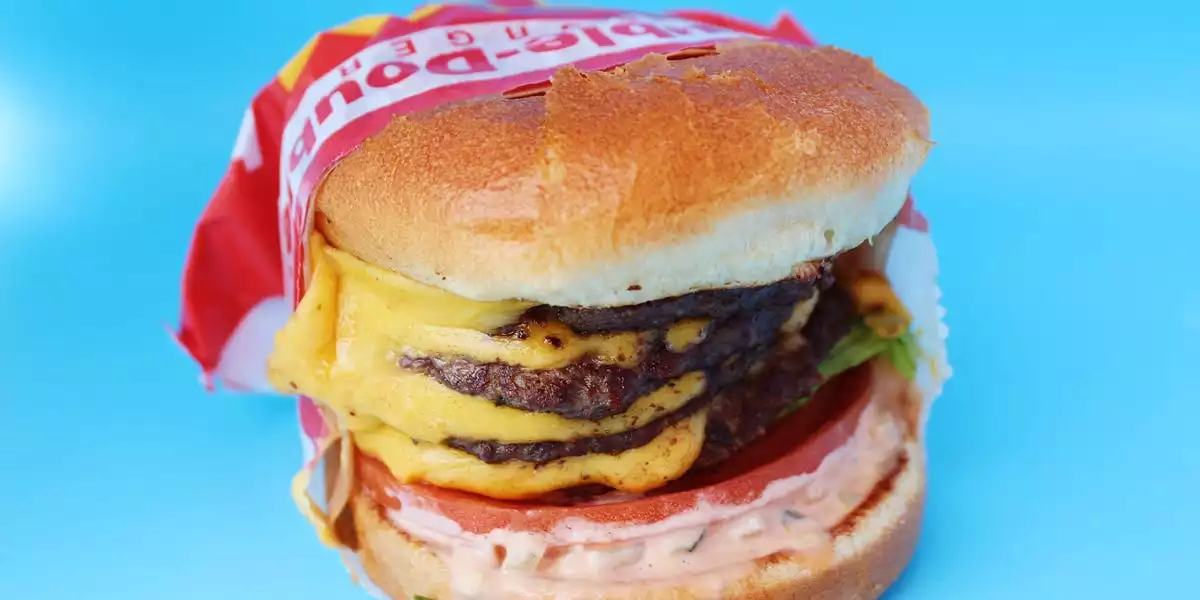
- In-N-Out 4×4: iconic customization taken to an extreme, but the unwieldy bulk highlights the physical ergonomics of eating—often overlooked in menu innovation.
- Wendy’s Dave’s Triple: hearty and familiar, yet flagged for slight flavor imbalance, suggesting that scaling up can magnify small formulation issues.
- McDonald’s Big Arch: described as premium-feeling, but with sparse fresh toppings, pointing to the gap between marketing signals and sensory payoff.
For operators and investors, the takeaway is not which burger “won,” but why: consumers appear willing to pay for a larger flagship item, yet they still judge it by balance, biteability, and perceived completeness, not just grams of beef.
Product design meets kitchen physics: the operational reality of supersizing
Supersized burgers are as much an engineering and throughput challenge as they are a branding exercise. When patties get thicker or stacks get taller, the kitchen’s margin for error shrinks—especially during peak periods when speed targets collide with food quality expectations.
Several operational pressure points become more pronounced with oversized builds:
- Patty formulation and uniformity: thicker patties amplify variance in doneness, moisture retention, and texture. Chains that invest in precise portioning systems, improved patty-forming equipment, and smart cooking surfaces can reduce inconsistency that customers interpret as “dry,” “greasy,” or “undercooked.”
- Grill capacity and timing: larger patties can extend cook times and complicate staging. Without adjustments—layout, staffing, or holding strategy—supersized items can become bottlenecks that degrade the broader menu’s service speed.
- Digital quality control: sensor-enabled cookers and real-time temperature monitoring can standardize outcomes across variable patty thicknesses, reducing waste and complaints while protecting brand trust.
- Packaging as product integrity: oversized sandwiches stress traditional wrappers and clamshells. Grease resistance, structural support, and heat retention become part of the eating experience, especially for delivery and takeout. The added constraint: packaging must increasingly satisfy sustainability expectations, raising material and design complexity.
In practical terms, the “supersize” trend nudges chains toward a more industrialized approach to consistency—where automation, sensors, and workflow redesign become essential to making indulgence scalable.
Pricing, value perception, and the premiumization tightrope
The price range in the test—just over $10 to nearly $14—sits in a sensitive zone for U.S. consumers who are simultaneously trading down in some categories while still paying for “treat” experiences. This is where value perception becomes the decisive lever.
Key dynamics emerge from the comparison:
- Mid-tier pricing can be a sweet spot: Burger King and McDonald’s staying under roughly $11 suggests a strategy built on trial and repeatability—premium enough to feel special, but not so high that consumers demand a flawless, steakhouse-like experience.
- Ingredient richness is not automatically “worth it”: Shake Shack’s higher price illustrates the risk that premium inputs—thicker cheese, richer sauces, buttery buns—can read as overindulgent rather than elevated, especially when the overall bite becomes heavy.
- Menu architecture matters: supersized burgers can either cannibalize combo purchases or serve as anchors for upsell. Digital ordering platforms increasingly shape this outcome through personalized add-ons and AI-driven suggestions (extra toppings, upgraded sides), capturing incremental margin without raising the headline price.
- Promotions versus permanence: “giant burger” launches can drive traffic and social buzz, but permanent placement risks fatigue. Rotating limited-time variations can preserve novelty while keeping operations predictable.
The broader business lesson: premiumization works best when it feels intentional and balanced, not merely larger.
Where the category is headed: balance, customization, and resilient supply chains
The taste test’s most revealing theme is that the winning burger succeeded by being big but coherent—a product that still behaves like a burger rather than a stunt. That points to the next phase of competition: not just supersizing, but right-sizing indulgence for different occasions and channels.
Expect strategic moves along three fronts:
- Portfolio diversification: alongside mega-burgers, chains may introduce “mini-stack” or shareable formats that deliver premium cues without the ergonomic drawbacks of extreme builds—aligning with snackification and flexible eating patterns.
- Health and wellness overlays: even indulgent buyers increasingly want optionality—lighter sauces, whole-grain or lower-carb buns, plant-forward blends—without sacrificing taste. The brands that integrate these choices without moralizing the menu will widen their addressable audience.
- Sustainability and supply resilience: bigger beef volumes intensify exposure to commodity volatility and carbon scrutiny. Diversified sourcing, regenerative agriculture partnerships, and circular packaging innovations will increasingly function as both risk management and brand positioning.
The supersized burger race is ultimately a contest of systems: sensory branding, operational precision, pricing discipline, and supply-chain durability. The chains that win won’t be those that stack the highest—they’ll be the ones that make “more” feel effortlessly edible, consistently delivered, and credibly worth the price.

 By
By


 By
By
 By
By

 By
By
 By
By