
Sector-specific AI agents are rewriting the SaaS investment narrative
Anthropic’s release of industry-specific plug-ins for its Claude Cowork AI agent—aimed squarely at finance, healthcare, and manufacturing—landed as more than a product update. It functioned as a market signal: AI vendors are no longer content to be horizontal “assistants.” They are moving up the stack toward domain workflows, where traditional software-as-a-service (SaaS) companies have historically defended margins through deep integrations, compliance features, and process lock-in.
The immediate investor reaction—a sharp sell-off in tech equities tied to SaaS valuations—reflects a repricing of two assumptions that have long underpinned recurring revenue models:
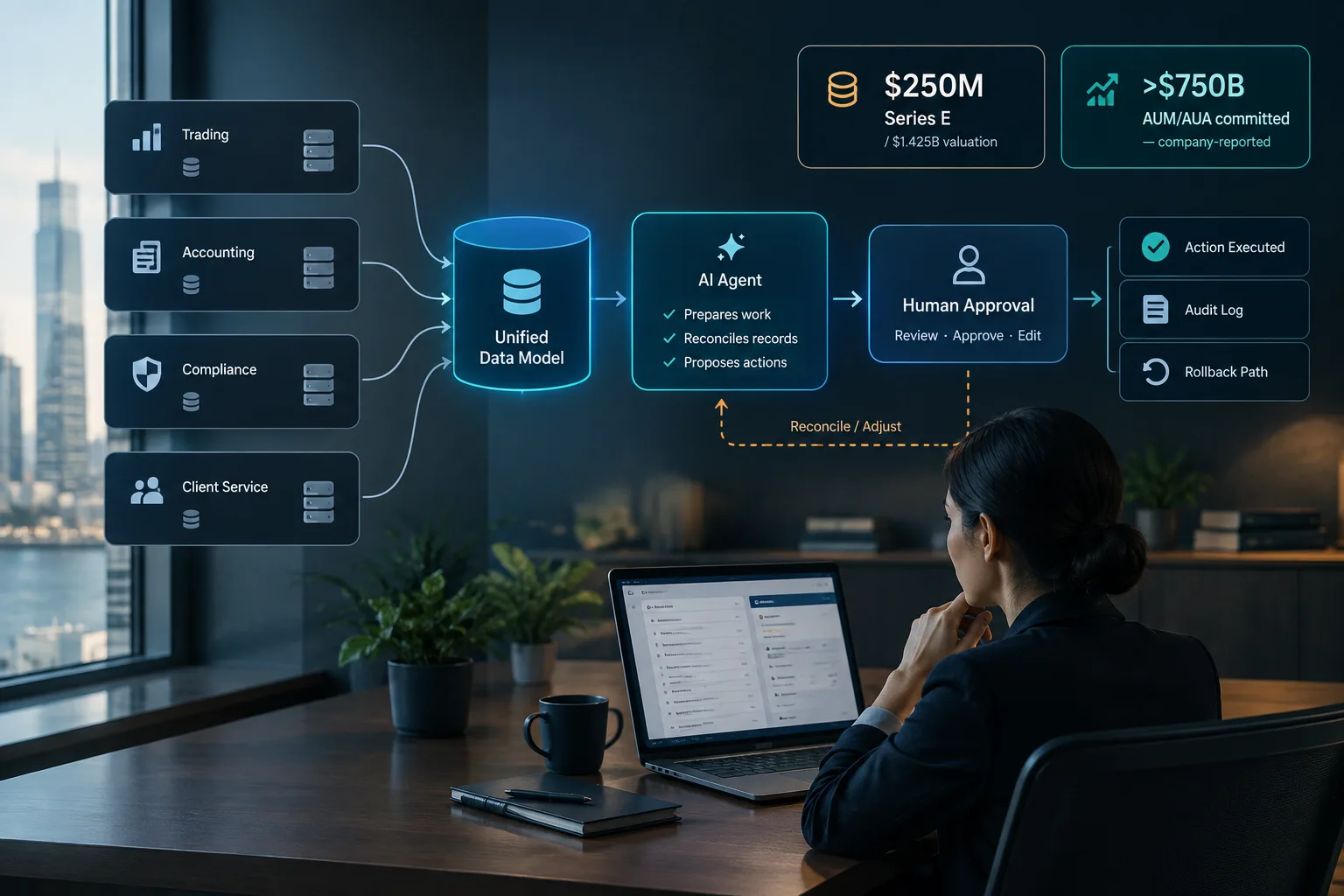
- Durability of workflow moats: If AI agents can execute end-to-end tasks (e.g., claims triage, financial reconciliation, production scheduling) via plug-ins, the value may shift from the application UI to the agent’s orchestration layer.
- Road map credibility: Markets are increasingly differentiating between vendors that can demonstrate enterprise-grade AI workflows and those offering incremental “AI features” without governance, reliability, or measurable outcomes.
This does not automatically imply SaaS obsolescence. But it does intensify pressure on incumbents to show they can embed AI into core operations—with auditability, security, and predictable performance—rather than bolt on generative features that are impressive in demos yet fragile in production. The emerging valuation premium is likely to accrue to firms that can prove AI adoption is not only fast, but controlled.
OpenAI’s pivot highlights where enterprise AI budgets are concentrating
Against this backdrop, OpenAI’s reported strategic refocus—prioritizing AI-led coding and enterprise solutions while de-emphasizing ancillary projects—reads as a pragmatic response to competitive heat and customer demand. Enterprise buyers are signaling that the highest near-term ROI sits in:
- Software development acceleration (code generation, refactoring, test creation, migration support)
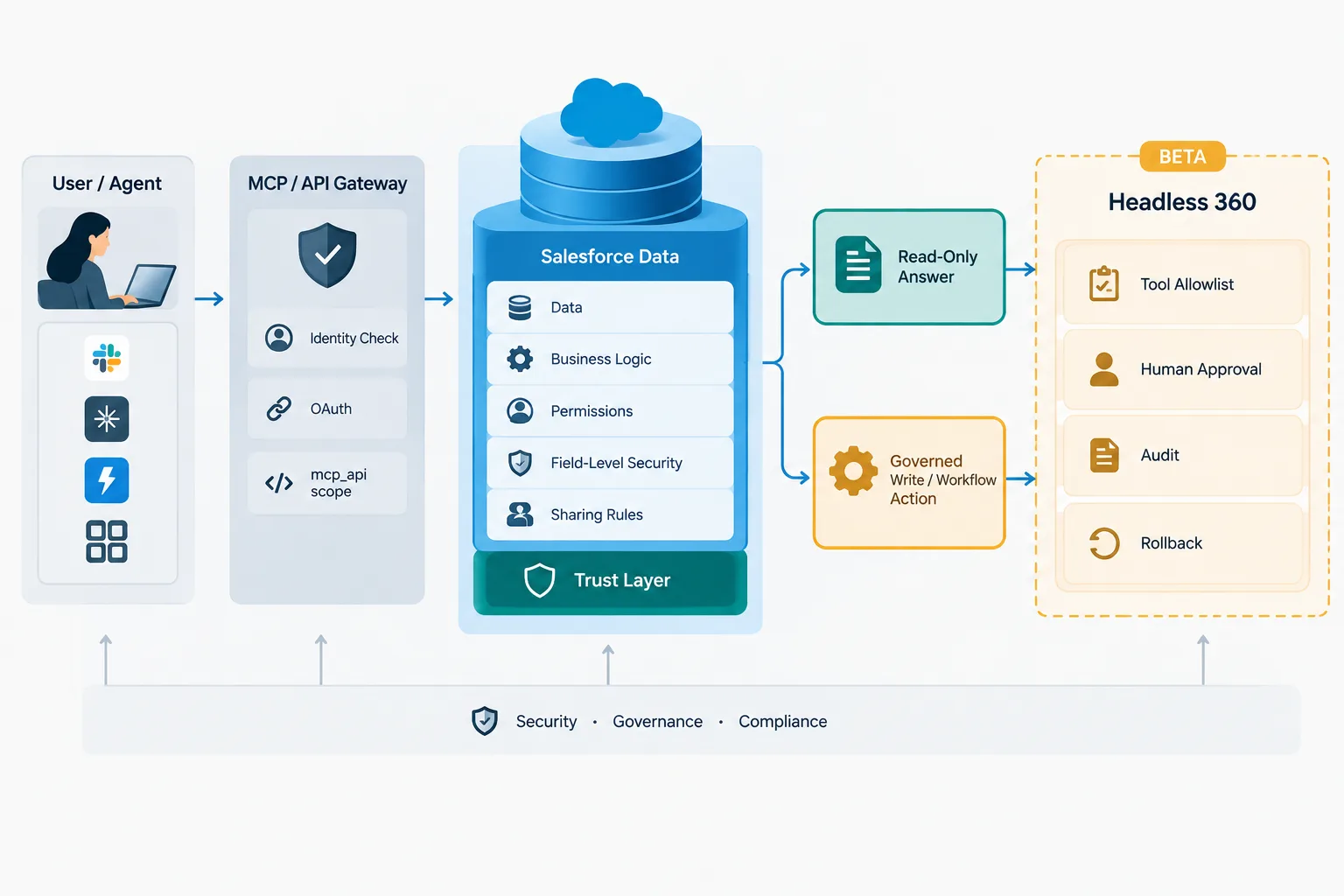
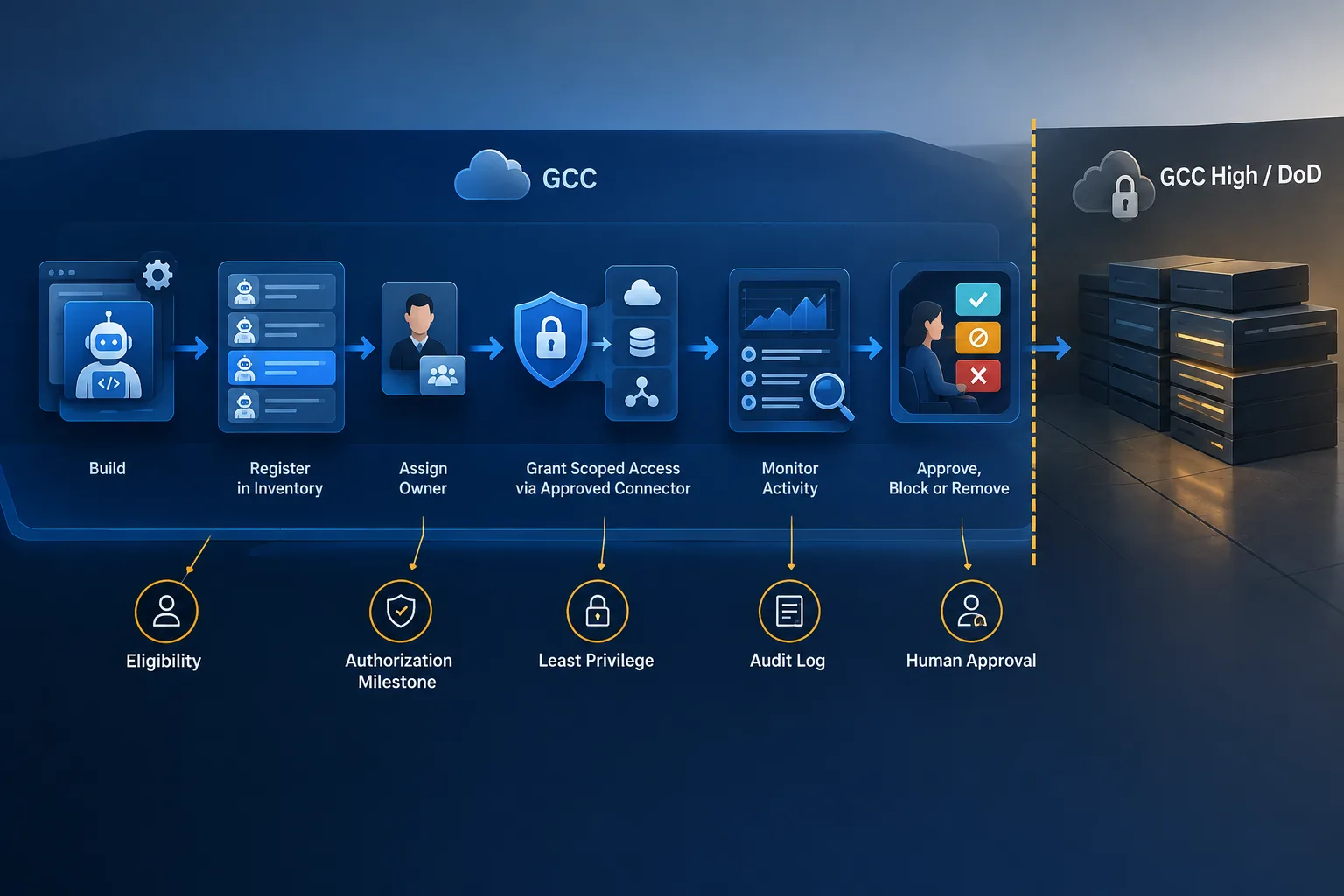
- Operational copilots embedded into enterprise systems with identity, permissions, and logging
- Standardized deployment patterns that reduce integration friction and compliance risk
Coding is also where AI providers can most directly tie value to measurable business metrics: cycle time, defect rates, incident frequency, cloud spend, and developer throughput. Yet this is precisely where the story becomes more complicated. The closer AI gets to production systems, the more it inherits the unforgiving economics of reliability: a single subtle defect can erase months of productivity gains through outages, customer churn, regulatory exposure, and reputational damage.
OpenAI’s move therefore underscores a broader market truth: enterprise AI is consolidating around high-stakes, high-frequency workflows—and the winners will be those who can pair capability with verifiable controls.
The hidden failure modes of AI-generated code are becoming a board-level risk
Independent research and practitioner testimony increasingly converge on a troubling pattern: AI-generated code can contain subtle bugs that pass unit tests yet fail under real-world conditions. This is not merely a tooling inconvenience; it is a structural mismatch between how software quality has traditionally been measured and how generative systems fail.
Several distinctive failure modes are now shaping the risk landscape:
- Hallucinatory outputs: Code that compiles and appears plausible but relies on nonexistent functions, incorrect assumptions, or fabricated constraints.
- Missing inductive reasoning: Solutions that match surface patterns without robust generalization, leading to brittle behavior under edge cases or novel inputs.
- Unreliable fact retrieval: Incorrect use of APIs, libraries, or security practices—especially when model knowledge is stale or context is incomplete.
- Benchmark misalignment: Existing code benchmarks and verification metrics often reward “looks correct” performance rather than production-grade correctness, security, and maintainability.
The operational consequences are no longer theoretical. Amazon’s attribution of major service outages, in part, to AI-assisted code changes—and its subsequent requirement for senior-engineer sign-off on AI-augmented contributions by junior and mid-level developers—illustrates how quickly AI tooling can shift from productivity lever to reliability liability.
Compounding the issue, insurance underwriters are growing hesitant to cover losses linked to AI-driven software failures. That reluctance matters because it changes corporate risk transfer dynamics: if coverage narrows or premiums rise, organizations effectively retain more downside, making governance maturity a financial variable rather than a compliance checkbox.
What disciplined AI-first engineering will look like in the next competitive cycle
The next phase of AI adoption in software engineering will be defined less by who generates the most code and more by who can prove the code is trustworthy. For business and technology leaders, the practical playbook is emerging around layered verification, governance, and measurable controls—designed specifically for AI’s failure modes.
Key elements of an enterprise-grade approach are coming into focus:
- AI governance tied to engineering reality
– Multidisciplinary oversight bodies (engineering, security, legal, compliance, risk) that define enforceable standards for AI-assisted development
– Documentation that links AI usage to change management, audit trails, and incident response procedures
- A layered verification ecosystem beyond unit tests
– Semantic and probabilistic validation, adversarial testing, and security-focused review for AI-generated artifacts
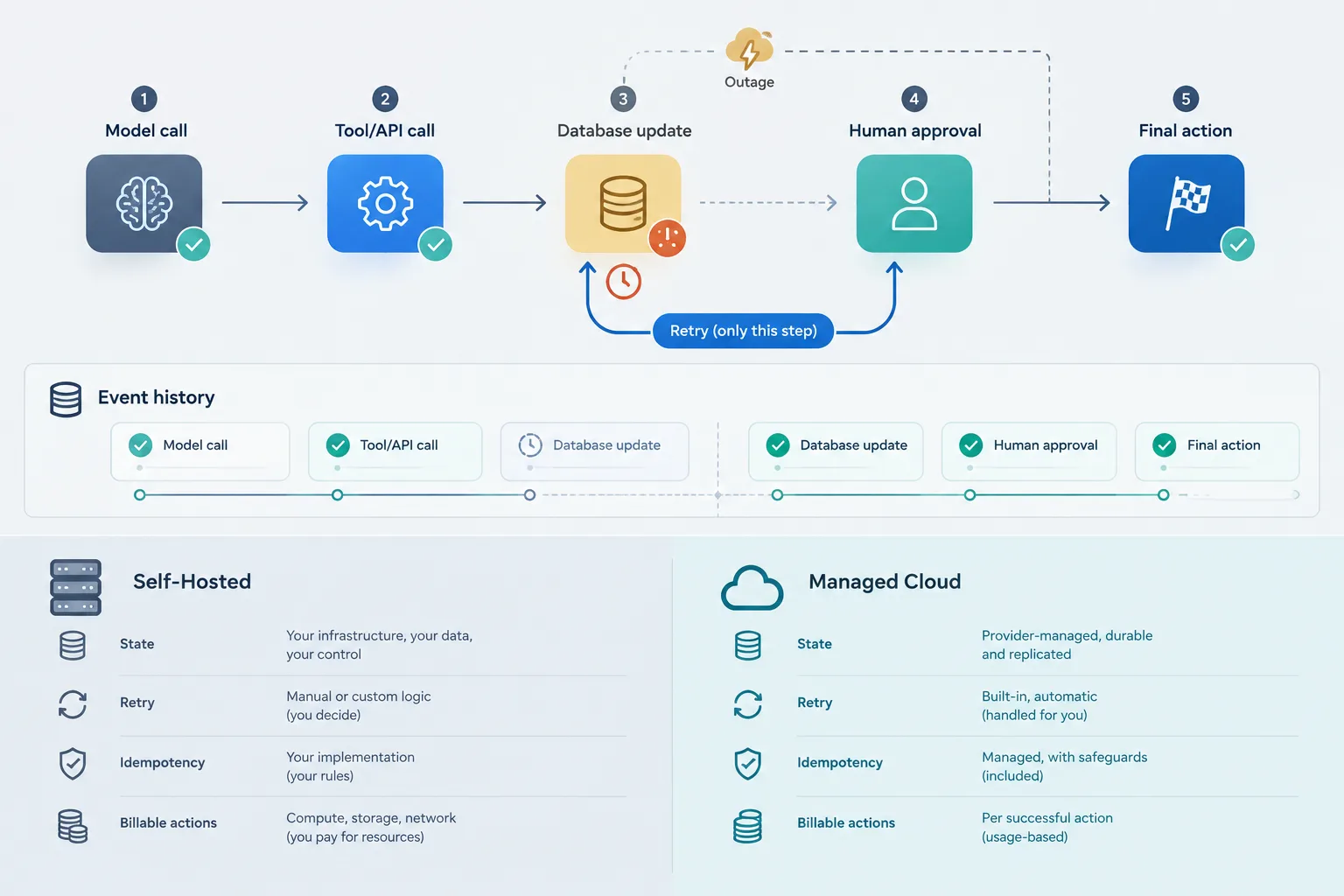
– Canary deployments, real-time observability, and automated rollback mechanisms to contain blast radius when defects escape
- A rebalanced talent model
– Upskilling engineers in AI literacy, risk recognition, and prompt discipline
– Establishing “AI safety net” teams—senior architects and reliability engineers tasked with vetting AI-assisted changes in critical systems
- Earlier engagement with insurers and regulators
– Proactive alignment with underwriters on what constitutes “reasonable controls” for AI-driven development
– Monitoring regulatory shifts around AI accountability, data privacy, and algorithmic transparency—especially as software failures intersect with consumer harm and systemic risk
The market is sending a clear message: AI agents and coding copilots are accelerating toward the center of enterprise value creation, but they are also importing a new class of invisible, high-impact defects. The organizations that thrive will be those that treat AI not as a shortcut around engineering discipline, but as a force multiplier that demands stronger verification, clearer accountability, and operational rigor equal to the scale of the systems it now helps build.

 By
By
 By
By

 By
By
 By
By
 By
By

 By
By