
A spring menu refresh that doubles as a growth strategy
The Cheesecake Factory’s spring menu launch reads like a culinary update on the surface—more than a dozen new dishes spanning appetizers, bowls, entrées, and brunch—but it also functions as a deliberate business lever in a crowded casual-dining landscape. Biannual menu refreshes are not merely about novelty; they are a disciplined method of restarting consumer attention cycles, prompting repeat visits from loyal guests while giving lapsed diners a reason to return.
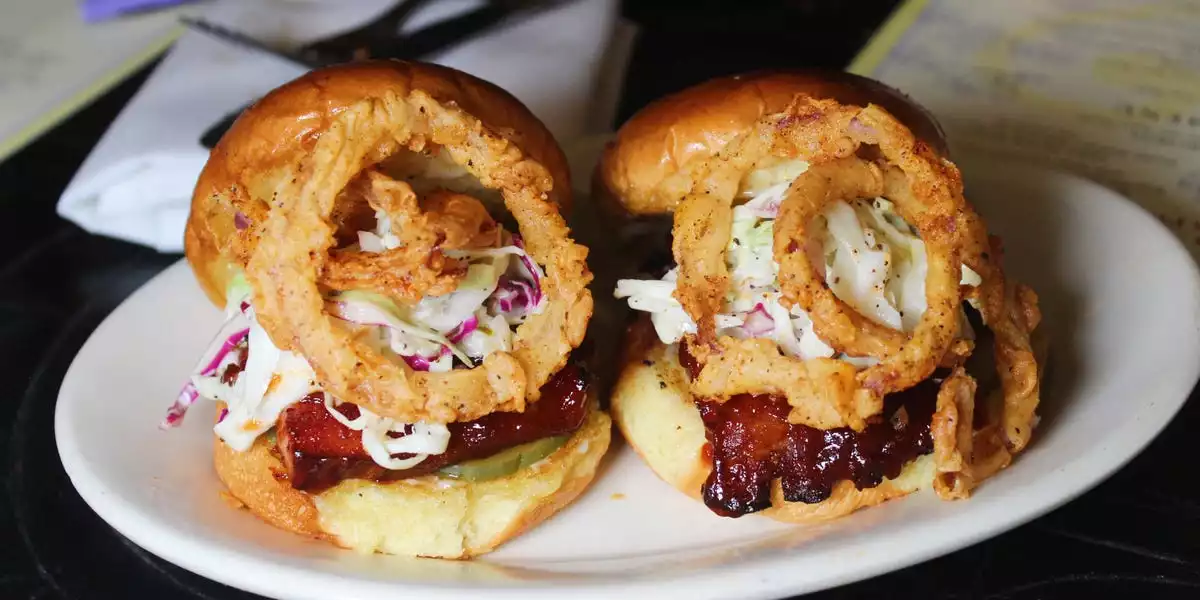
This release is structured to capture multiple spending moods in a single visit. On one end are highly shareable, impulse-friendly starters such as *pickle fries with spicy ranch* and *BBQ pork belly buns*—items engineered for group ordering and social media visibility. On the other end is a more premium, meal-anchoring set of bowls and protein-forward plates designed to lift average check size. The strategy is familiar across the sector, but The Cheesecake Factory’s execution stands out because it can deploy variety at scale—an advantage that becomes more meaningful as competitors narrow menus to simplify operations.
From a revenue standpoint, the mix is telling: low-cost bases (potatoes, rice, noodles) paired with premium proteins (pork belly, shrimp, ahi tuna) create a tiered pricing architecture that can support margin resilience even as ingredient costs fluctuate. In inflationary conditions, that blend helps operators protect food-cost targets while still offering guests the perception of “newness” and “value” in the same menu cycle.
Bowls, brunch, and the business of balancing wellness with indulgence
The most strategically aligned addition may be the expanded “bowl” lineup—an increasingly important format in restaurant menu engineering because it offers portion control, customization cues, and perceived health benefits without requiring a full pivot away from indulgent brand equities. The new bowls—*Baja Bowls* (with pork carnitas, grilled chicken, or chipotle-honey shrimp), an *Asian tenderloin bowl over garlic noodles*, and an *ahi tuna poke bowl* offered in salad and rice formats—signal a clear intent to meet diners where preferences are fragmenting.
This is the current consumer paradox in casual dining: guests want lighter, protein-rich options and also want comfort-forward shareables. The Cheesecake Factory is leaning into both, rather than choosing sides. That dual-track approach can widen the addressable audience at the table—one diner orders poke, another orders pork belly buns—without forcing the brand into a narrow identity.
Brunch additions such as bruléed French toast further reinforce daypart expansion. Brunch is not only a traffic play; it’s a margin and beverage opportunity, and it tends to perform well in social settings where guests are more likely to add sides, specialty drinks, or desserts. Meanwhile, chef-driven items like a veggie burger (brown rice, mushrooms, black beans) and spicy jambalaya arancini reflect a continued push toward culinary storytelling—an important differentiator when consumers increasingly compare chains not just on price, but on perceived creativity.
Early tasting feedback—particularly praise for Asian chicken nachos with peanut sauce—suggests the menu is successfully tapping global flavor profiles that feel familiar enough to be approachable, yet distinct enough to be “new.” Notes about occasional texture or seasoning opportunities are equally instructive: in a menu this broad, the competitive edge often comes from iteration speed, not just ideation.
Operational complexity meets cold-chain reality—and that’s where execution is won
For The Cheesecake Factory, menu innovation is inseparable from operational discipline. Running a famously large menu already places pressure on procurement, training, kitchen throughput, and consistency. Adding bowls with fresh produce and perishable seafood—especially ahi tuna—raises the stakes on cold-chain coordination, shelf-life management, and demand forecasting.
The operational challenge is not simply “can we source it?” but “can we deliver it consistently across locations while minimizing waste?” Bowls and poke formats can be deceptively complex: they require reliable produce quality, tight portioning, and careful assembly to maintain visual appeal—an attribute that increasingly influences consumer perception through photos, reviews, and delivery presentation.
This is where The Cheesecake Factory’s scale can become a performance advantage. Large systems can run rapid test-kitchen feedback loops, adjust recipes, and refine prep procedures across regions. If early tasters are identifying seasoning and texture tweaks, the most important question is how quickly those insights translate into standardized improvements—without disrupting labor models or increasing ticket times.
Key operational implications embedded in this menu cycle include:
- Inventory hedging through modular ingredients (rice/noodles as scalable bases; proteins as premium upsells)
- Higher forecasting sensitivity for seafood and fresh produce to prevent spoilage and stockouts
- Training and execution consistency as new builds enter a kitchen ecosystem already managing significant SKU volume
Data, personalization, and the next frontier of menu economics
The spring menu also highlights how modern restaurant competition is increasingly fought with data as much as recipes. With robust POS systems and kitchen display data, operators can track sell-through rates, plate waste signals, modifier patterns, and guest sentiment at a granular level. In practice, this enables a more agile form of menu management: underperformers can be identified early, and winners can be amplified through placement, bundling, and targeted promotions.
The next logical step is tighter integration between menu innovation and digital engagement. If a guest historically orders shrimp-based dishes, a loyalty platform can surface chipotle-honey shrimp Baja Bowls as a personalized recommendation. If weekday traffic softens, geofenced offers can nudge nearby customers toward a new appetizer trial. These are not gimmicks; they are increasingly standard tools for protecting traffic in a market where discretionary dining is sensitive to both price and convenience.
Forward-looking operators will also watch for emerging pressure points and opportunities:
- Dynamic pricing and yield management to better match daypart demand and ingredient-cost volatility
- Seafood traceability and sustainability signaling, particularly for ahi tuna, as consumer scrutiny rises
- Off-premises translation—ensuring items like pickle fries maintain quality in delivery packaging
- Limited-time collaborations that generate buzz while functioning as low-risk R&D for future rollouts
What this spring menu ultimately demonstrates is a chain using product development as a multi-purpose instrument: driving traffic, defending margins, refreshing brand relevance, and creating new data signals to refine what comes next. In today’s casual-dining economy, the winners are rarely those with the most items—they’re the ones that can turn novelty into repeatable execution, and execution into measurable, compounding advantage.

 By
By
 By
By
 By
By
 By
By
 By
By

 By
By