
OpenAI’s 2025 inflection point: from headline demos to operational credibility
OpenAI’s 2025 narrative is increasingly defined by a tension familiar to fast-scaling technology leaders: the distance between spectacular model capability and repeatable, governable product value. The unveiling of Sora, its text-to-video generator, delivered the kind of visceral “future is here” moment that generative AI companies chase. Yet the controversy around content quality and ethical guardrails also exposed how quickly creative AI shifts from novelty to liability when safety, provenance, and workflow integration lag behind raw generation.
At the same time, the reported failure of the Atlas browser to gain traction has sharpened market skepticism about OpenAI’s consumer-facing instincts. Browsers are not merely apps; they are distribution platforms with entrenched defaults, ecosystem lock-in, and privacy expectations. A weak showing there suggests that OpenAI’s advantages in frontier models do not automatically translate into consumer product dominance—especially when incumbents can embed comparable AI features into existing surfaces at scale.
This is the backdrop against which OpenAI’s leadership appears to be recalibrating: less emphasis on “AI everywhere,” more emphasis on AI where budgets, compliance, and measurable ROI already exist—namely enterprise software and developer tooling.
Product strategy under strain: platform ambition versus specialized execution
Sora’s mixed reception illustrates a broader strategic dilemma: should OpenAI behave like a horizontal platform—a general-purpose model provider spanning modalities—or compete as a vertical product company with tightly integrated, domain-specific solutions?
Video generation is a particularly unforgiving arena. Unlike text, video demands coherence across time, controllable motion, consistent identity, and post-production readiness. It also raises sharper questions around misuse, copyright, and synthetic media disclosure. The practical product requirements extend beyond the model itself into a full pipeline: safety filters, watermarking, rights management, and editing workflows. That is precisely where specialized entrants can outmaneuver a generalist by building end-to-end experiences for a narrower set of professional users.
OpenAI’s announcement of a hardware collaboration with Jony Ive signals a different kind of ambition: owning the client-device interface. The strategic logic is clear—Apple demonstrated how vertical integration can turn interface control into durable advantage. But custom hardware also introduces execution risks that software-first companies often underestimate: supply chain complexity, distribution, repairability, security certification, and the burden of sustaining a developer ecosystem.
Key strategic trade-offs emerging from these moves include:
- Interface control vs. ecosystem openness: A tightly controlled device can be secure and enterprise-friendly, but may limit third-party innovation.
- Differentiation vs. distraction: Hardware can create defensible differentiation, yet it can also become a costly “side quest” if it doesn’t reinforce core revenue engines.
- General platform vs. workflow products: Enterprises increasingly buy outcomes—time saved, errors reduced—not model access alone.
The internal message attributed to CEO of Applications Fidji Simo—a warning against “side quests” and a return to core competencies like coding tools and enterprise AI—reads less like a slogan and more like a governance signal: focus is becoming a competitive weapon.
Capital, compute, and contracts: the economics behind the AI arms race
The most consequential storyline may be financial rather than technical. Reports that OpenAI has been burning billions of dollars per month, alongside a reduction of its AI infrastructure pledge from $1.4 trillion to roughly $600 billion through 2030, point to a market reality: even the most celebrated AI labs are being forced to reconcile ambition with capital discipline.
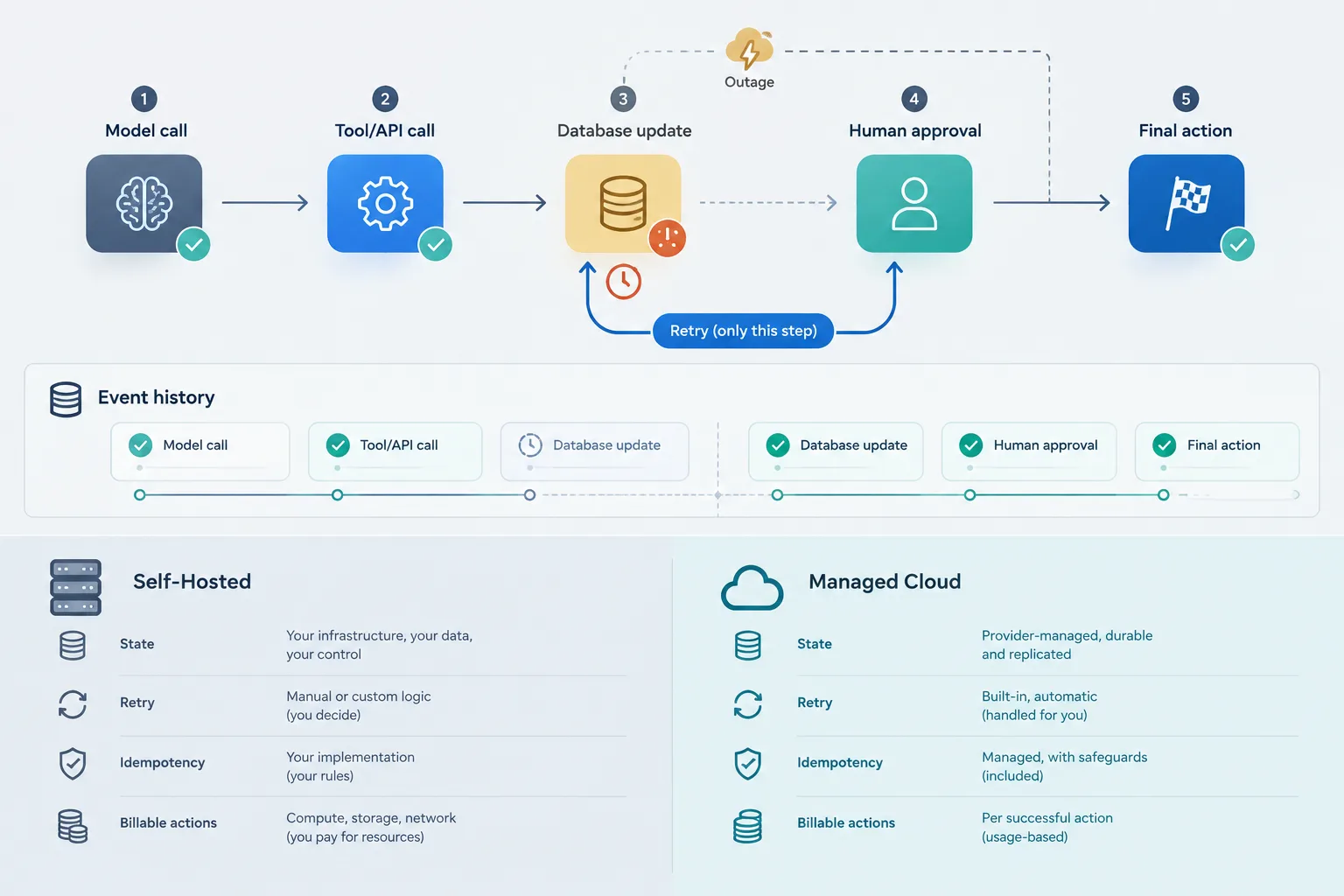
Compute scarcity is not a temporary inconvenience; it is shaping strategy. As GPU and accelerator capacity tightens and prices rise, the industry is drifting toward heterogeneous infrastructure—a mix of cloud procurement, long-term capacity reservations, and co-development partnerships with chipmakers. Designing proprietary silicon remains a potential endgame, but it is a multi-year bet with high execution risk and uncertain payoff unless paired with massive, stable demand.
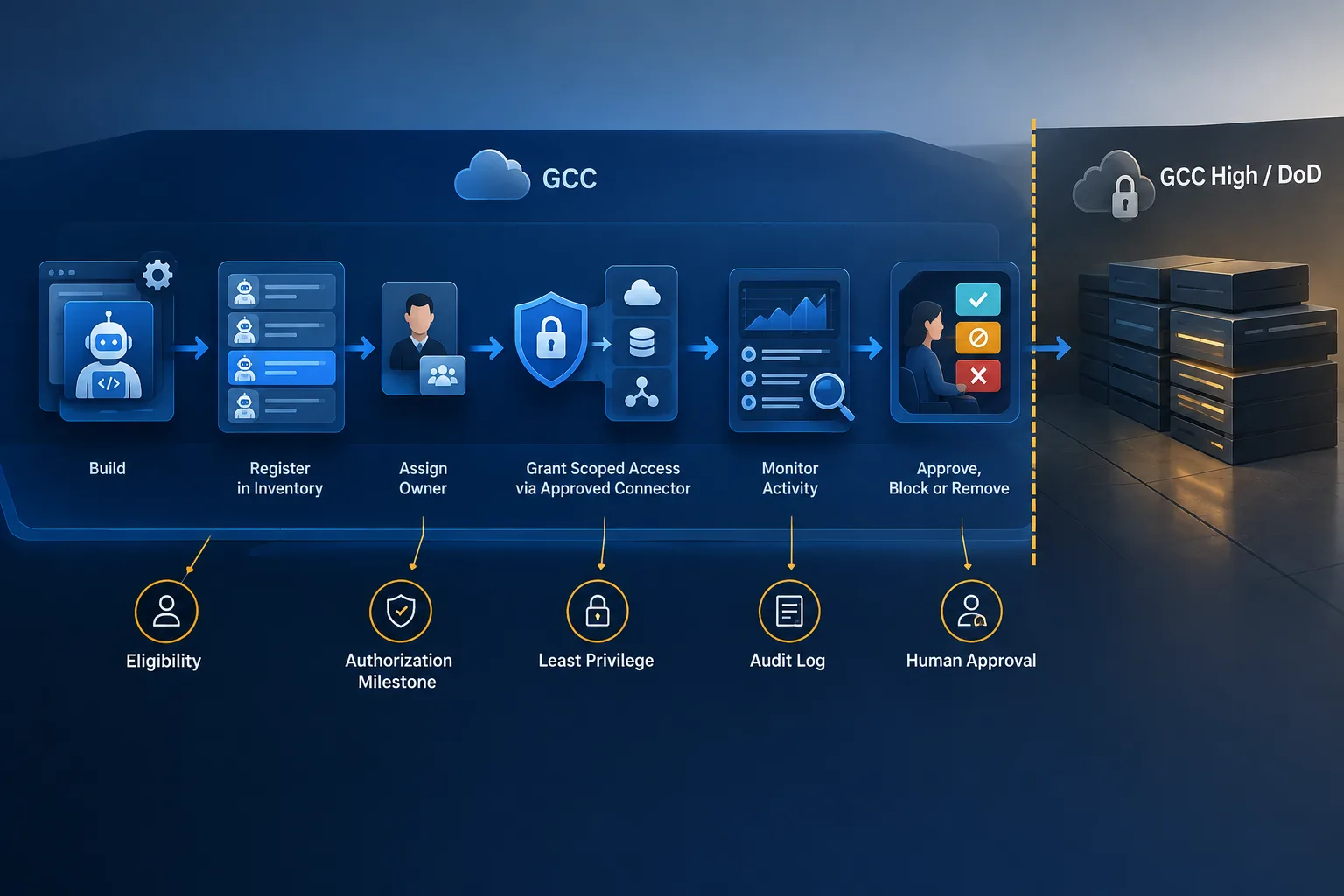
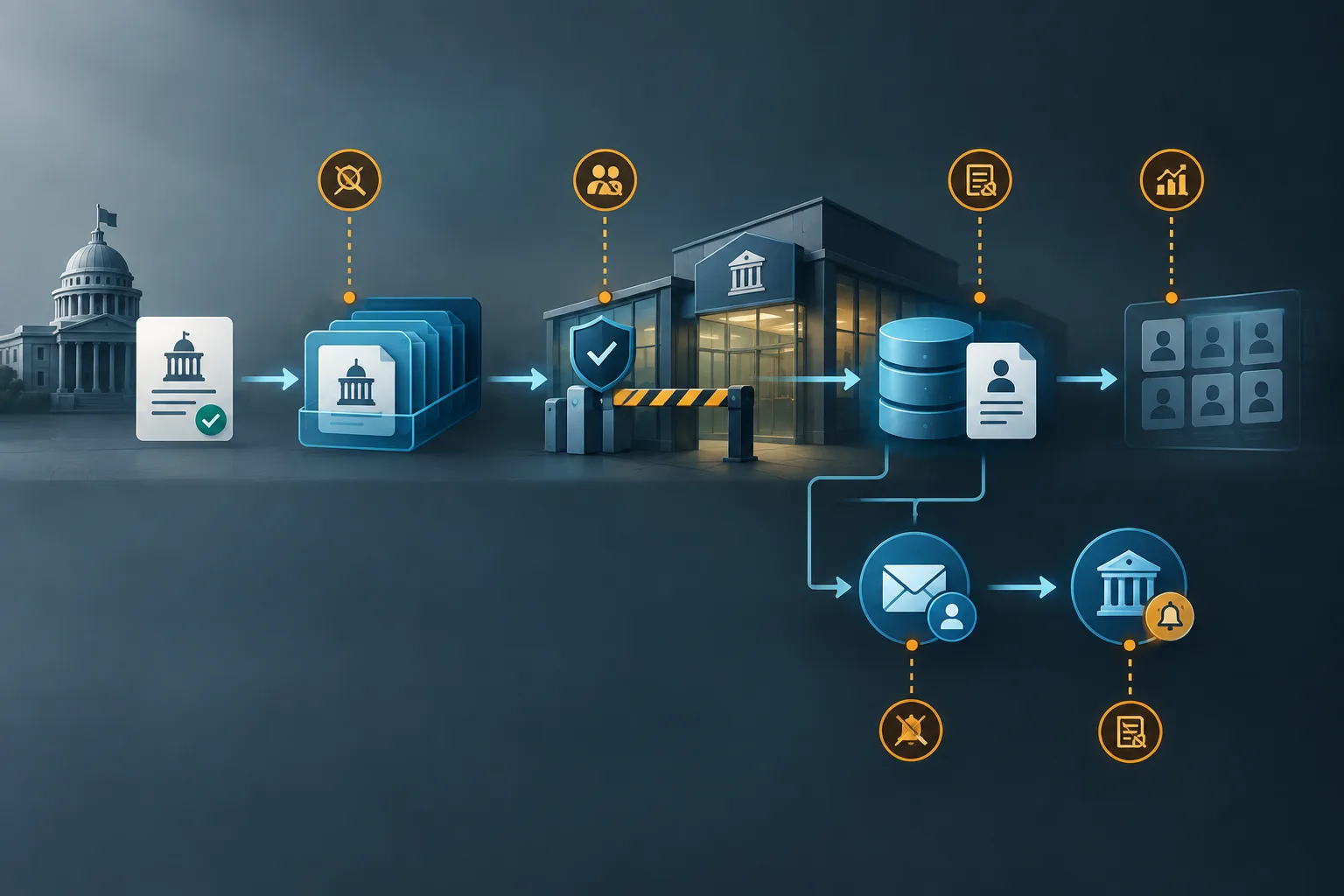
OpenAI’s $200 million U.S. Department of Defense contract adds another dimension: revenue diversification through defense contracting. For investors, defense can look attractive—longer-duration contracts, clearer procurement pathways, and a premium on security-hardened systems. For the company, it introduces reputational and regulatory complexity: export controls, auditability, and heightened scrutiny from civil society groups. Operationally, defense adoption can also become a proving ground for “ruggedized AI”—systems that must be reliable, traceable, and resilient under adversarial conditions.
Meanwhile, competitive pressure is intensifying. Anthropic’s Claude Code and Claude Cowork gaining enterprise adoption is not just a feature race; it is a distribution race for developer mindshare and CIO confidence. As AI assistants begin to deliver measurable productivity gains, the ripple effects could destabilize traditional SaaS economics—pushing buyers to reallocate spend from broad subscriptions toward AI-native platforms that compress workflows.
Rumors of potential IPOs for OpenAI, Anthropic, and xAI underscore the sector’s next contest: not only who has the best models, but who can present credible unit economics to public markets while sustaining access to compute.
What to watch next: enterprise ROI metrics, governance, and the narrowing of “winners”
The next phase of competition is likely to be decided less by parameter counts and more by deployment outcomes. Customers and investors are converging on pragmatic questions: How much developer cycle time is reduced? What is the cost per successful deployment? What are the failure rates under real-world constraints? Can the system be audited?
Several forward indicators will matter disproportionately:
- Enterprise-first packaging: modular assistants for code review, security analysis, legal research, and regulated workflows—sold with performance SLAs and integration support.
- Infrastructure alliances: deeper partnerships with Nvidia/AMD and hyperscalers, plus creative financing structures to stabilize compute costs.
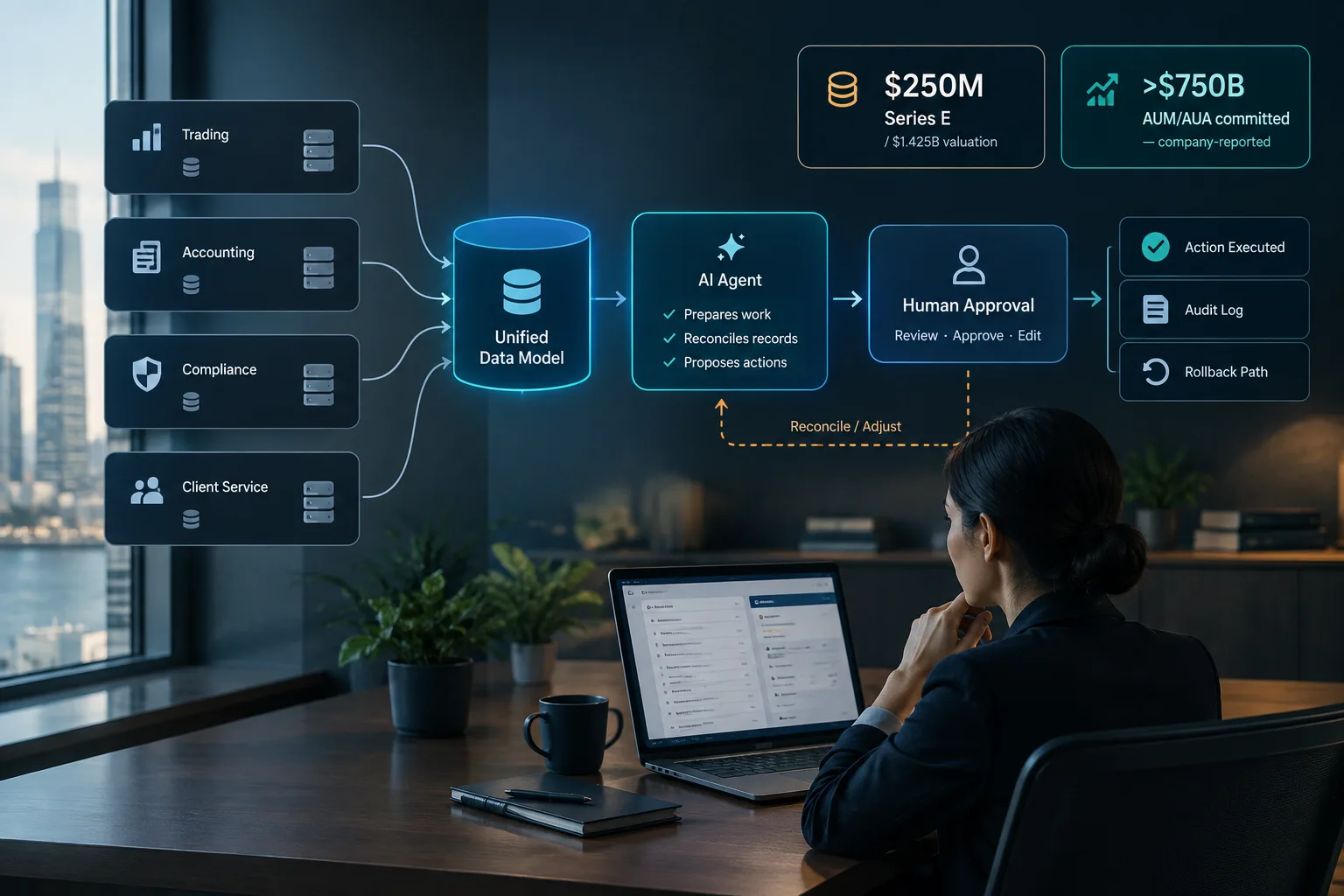
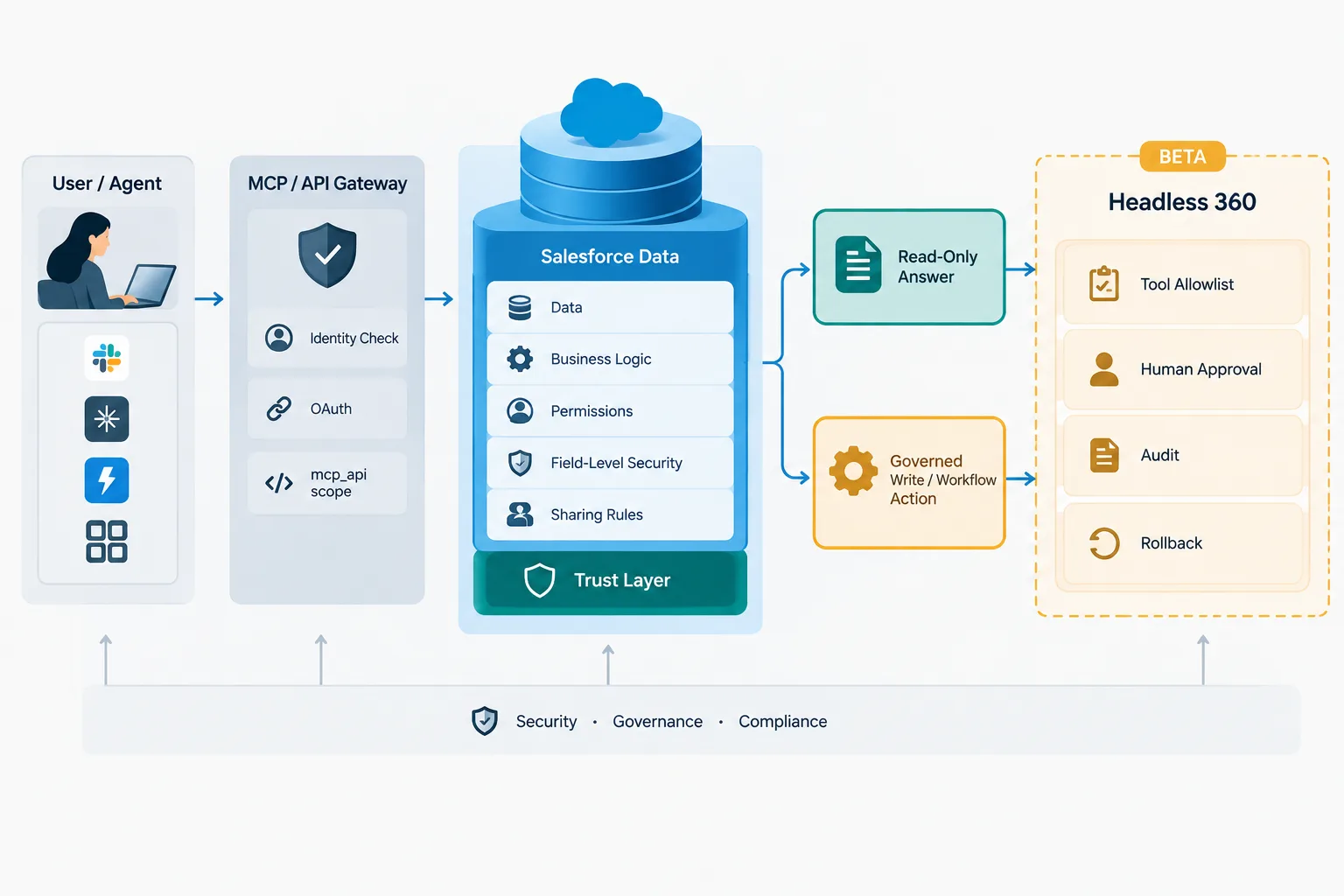
- Governance maturity: audit trails, model behavior monitoring, and policy enforcement—especially under defense and regulated-industry scrutiny.
- Consolidation pressure: rising compute costs and tighter funding conditions may accelerate M&A, rewarding firms that can acquire safety, workflow, or domain expertise rather than reinvent it.
OpenAI’s challenge is no longer proving that frontier AI can astonish. It is proving that frontier AI can be operated—securely, profitably, and predictably—across enterprises and governments that measure success in uptime, compliance, and return on investment. In 2025, the companies that translate model brilliance into operational trust will define the market’s center of gravity.

 By
By
 By
By


 By
By
 By
By

 By
By