
The Unfolding Tension: AI Acceleration and the American Labor Reckoning
In the winter of 2026, the American labor market finds itself at a rare and disquieting crossroads. Layoffs have surged past the nadir of the 2009 recession, a statistical anomaly that would once have been attributed to cyclical forces. But this time, the story is more intricate: a new breed of artificial intelligence—capable of automating the tasks of nearly 20 million workers—has slipped from the realm of speculative fiction into the everyday calculus of corporate America. According to MIT estimates, nearly 12% of the workforce now faces direct competition from machines that learn, adapt, and, increasingly, replace.
Yet, the narrative is not one of simple displacement. Many of those rendered redundant by automation are being rehired as contractors, tasked with labeling data, generating edge cases, or refining prompts for the very AI systems that made their original roles obsolete. This recursive labor loop—where the displaced become the trainers of their digital successors—masks the true velocity of change, even as it accelerates the refinement of the technology itself.
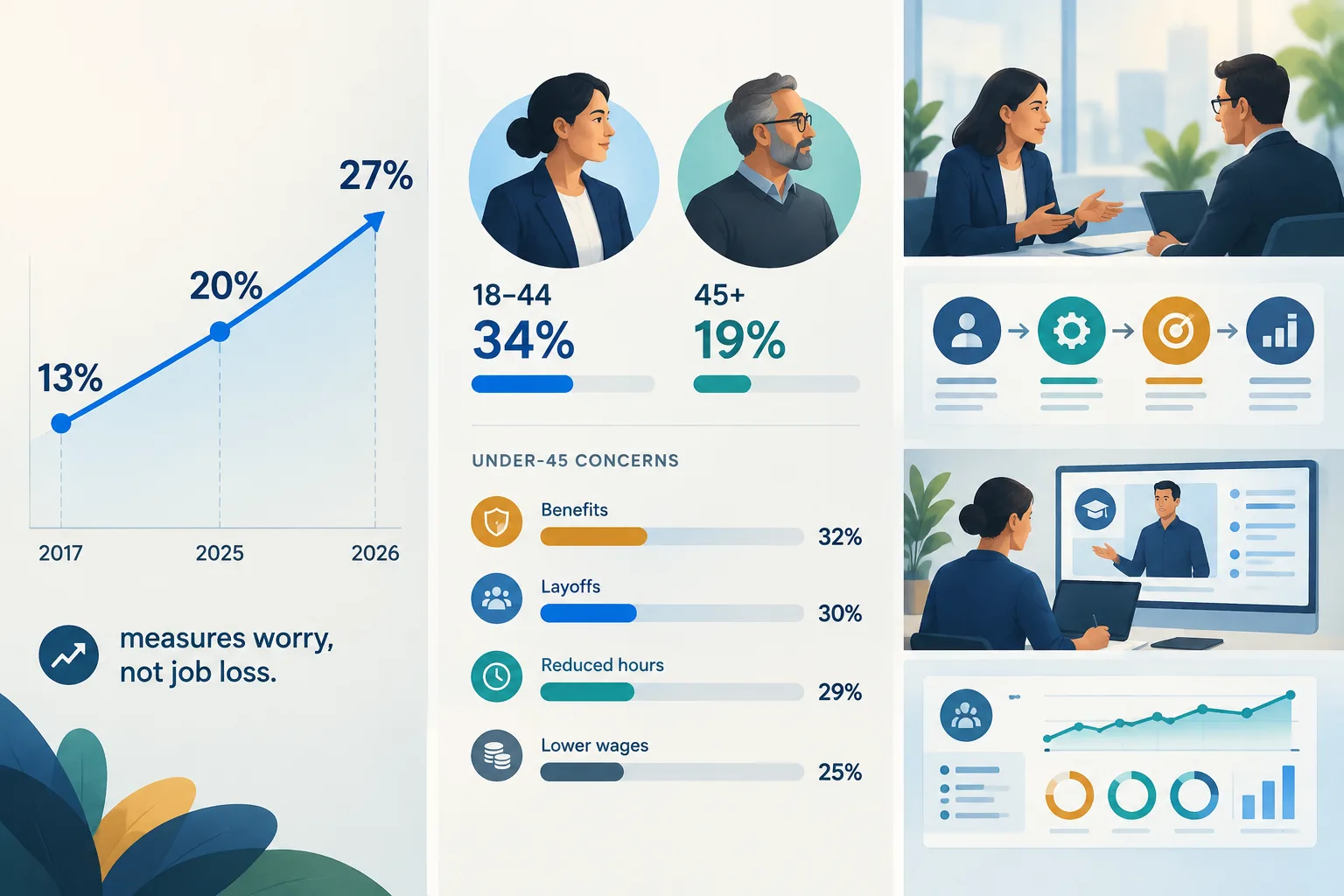
Public anxiety, meanwhile, has crystallized into a rare, cross-ideological consensus. A petition to halt the development of “superintelligent” AI has garnered support from technologists, national-security officials, media personalities, and celebrities alike. The simultaneity of layoffs and the visible deployment of AI pilots has transformed what might have been a cyclical downturn into a potent narrative of structural, technology-driven redundancy.
The Double Shock: Automation, Polarization, and the New Labor Divide
Beneath the headlines, deeper macroeconomic and labor-market currents are at play. The tightening monetary cycle of 2024–2025 raised capital costs, nudging firms toward automation projects that promise rapid productivity gains and variable-cost labor substitution. The labor market, already softened by demographic shifts—retiring Boomers, post-pandemic demand rebalancing—now faces a double shock: cyclical layoffs compounded by structural, AI-driven substitution.
The result is a widening chasm. High-skill roles—AI engineers, prompt architects—command premium wages, while mid-office clerical, customer service, and software maintenance positions are compressed or eliminated. Productivity gains accrue swiftly to shareholders, yet without robust retraining or policy intervention, the risk is a muted long-term GDP trajectory as consumption demand lags.
Meanwhile, the “human-in-the-loop” paradox persists. Redundant workers are recycled into the AI value chain as data labelers and prompt testers, a stopgap that obscures the true displacement rate while fueling the very systems that threaten broader swathes of employment. Model interpretability and alignment remain elusive, and as generative AI capabilities scale super-linearly, existential and reputational risks outpace the development of governance frameworks.
Strategic Crossroads: Navigating the New Corporate and Policy Terrain
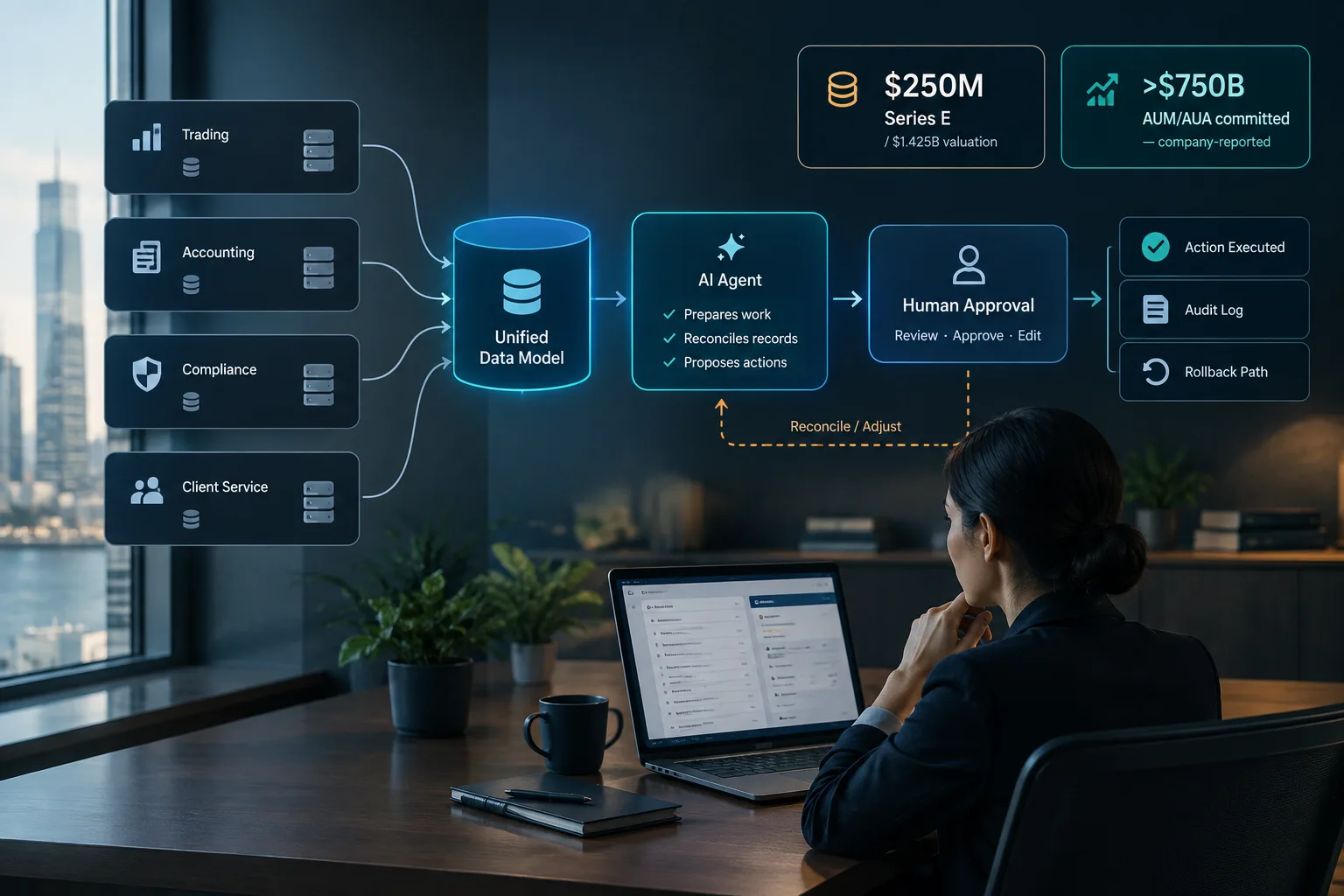
For enterprise and policy leaders, the current landscape demands a recalibration of priorities and a willingness to confront uncomfortable trade-offs. The imperative is clear: move beyond a “replace” mentality and embrace a strategy of workforce redistribution. Firms that redeploy talent into oversight, compliance, and creative augmentation roles not only preserve institutional knowledge but also mitigate the growing risk of social backlash and regulatory scrutiny.
Key strategic levers include:
- Workforce Strategy: Shift displaced employees into domain-expert oversight, compliance, and creative augmentation, preserving both knowledge and morale.
- Data Supply Chain: Treat data labor as critical infrastructure, ensuring ethical sourcing, fair compensation, and clear IP ownership—factors likely to become regulatory audit items.
- Brand & Trust: As consumer sentiment sours, transparent AI-plus-human value propositions can differentiate forward-thinking incumbents from those perceived as mere cost-cutters.
- Capital Allocation: Balance short-term EBIT gains from automation with potential long-term regulatory costs, including compliance with emerging frameworks such as the EU AI Act and proposed U.S. licensing regimes.
On the policy front, active labor market interventions—such as tax credits linked to verifiable reskilling outcomes—may offer a more pragmatic buffer against displacement shocks than blanket bans on technological progress. The emergence of “Safety Nets 2.0”—portable benefits and wage insurance for gig and data-labeling roles—will be essential as traditional protections become increasingly obsolete.
The Next Competitive Landscape: Shadow Offshoring, Digital Unions, and Sovereign AI
Beneath the surface, a series of non-obvious dynamics are already shaping the next competitive frontier. The rise of data-labeling “mills” in the Global South echoes the hardware supply chains of the 1990s, raising new ESG concerns for asset managers and regulators. The energy demands of proliferating GPU clusters are colliding with decarbonization targets, forging unlikely alliances between utilities and hyperscalers. Meanwhile, early unionization efforts among prompt engineers and data labelers hint at the birth of digital unions, with profound implications for cost structures and service-level agreements.
At the geopolitical level, nations with stringent data residency rules and ambitions for domestic AI sovereignty—such as India and Saudi Arabia—are fragmenting the global AI stack, complicating the deployment roadmaps for multinationals and prompting a strategic rethink of compute and talent supply chains.
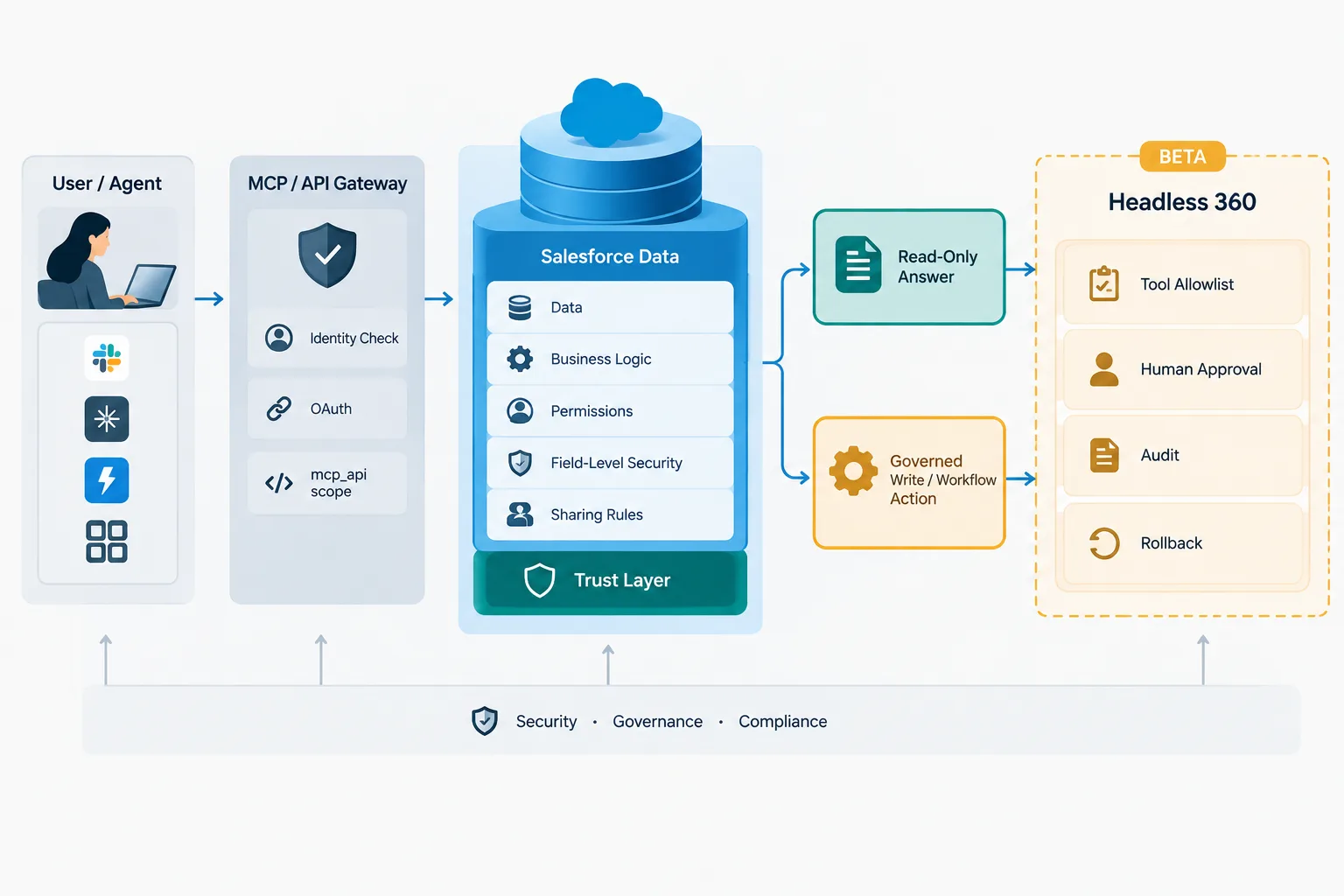
For decision-makers, scenario-planning must now encompass both incremental and abrupt displacement curves, with capital, talent, and communication strategies tailored to each. Embedding AI governance at the board level, investing in internal AI academies, and engaging in pre-competitive standards-setting are no longer optional—they are the price of admission to the next era of sustainable, socially legitimate AI-driven productivity.
As the dust settles on this new landscape, the challenge is not merely to harness the power of AI, but to do so in a way that preserves the social contract underpinning long-term enterprise value—a task that will test the mettle of even the most visionary leaders.

 By
By
 By
By

 By
By
 By
By
 By
By
 By
By