
Shadows in the Founder’s Orbit: Unraveling the Musk-Epstein Correspondence
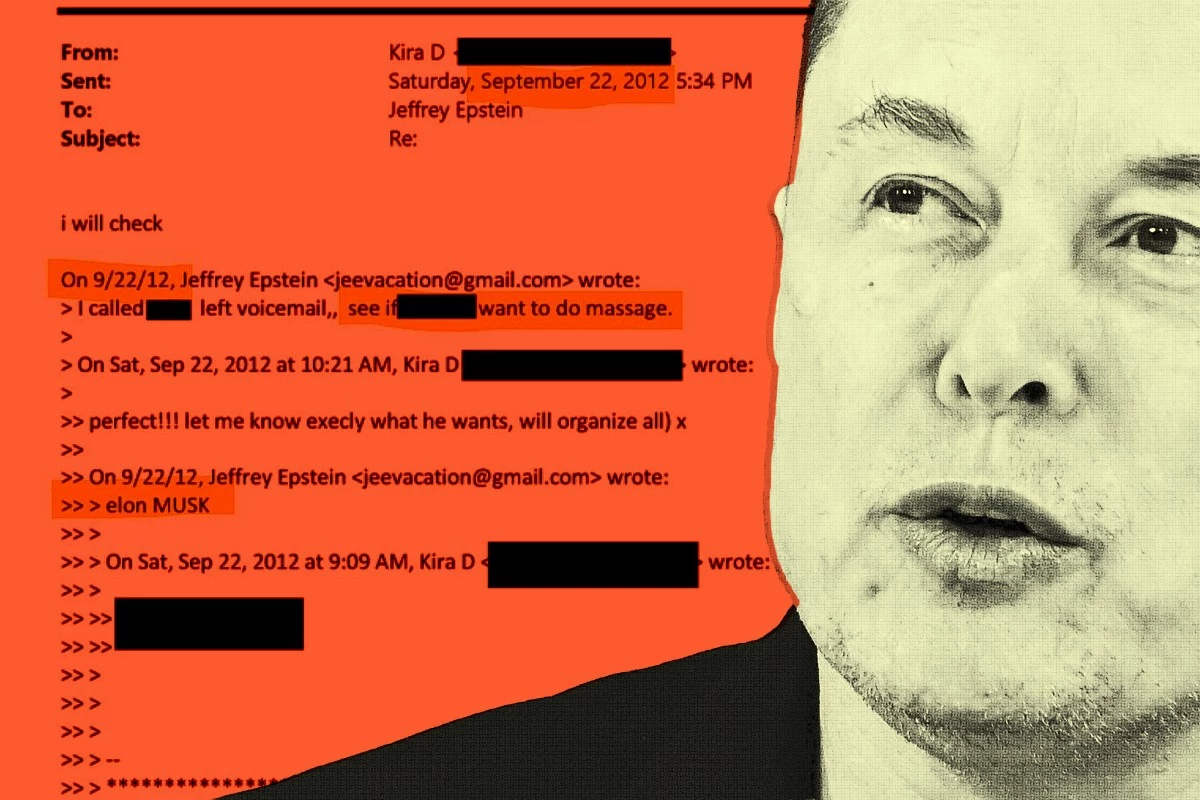
The recent disclosure of e-mails linking Elon Musk more intimately to Jeffrey Epstein than previously acknowledged has sent a tremor through the upper echelons of technology and finance. These messages—detailing Epstein arranging a massage for Musk in 2012, orchestrating lunches at his Manhattan townhouse, and referencing gatherings with “girls”—paint a far more entangled relationship than Musk’s prior public denials would suggest. The revelations come at a moment when the tolerance for founder opacity is at an all-time low, and the cost of reputational risk is quantifiable in real-time market reactions.
The Fragility of Founder-Led Empires in the Age of Scrutiny
Musk’s personal brand is the gravitational center of Tesla, SpaceX, X, Neuralink, and xAI. This concentration of influence, once a source of exponential returns and cult-like investor loyalty, now exposes these enterprises to a unique form of systemic risk. The e-mails, surfacing amid regulatory and investor vigilance, illustrate how a founder’s private conduct can reverberate through the balance sheets and strategic horizons of multiple firms.
- Concentration Risk: Historical precedents—Uber’s IPO discount under Travis Kalanick, for instance—demonstrate how governance controversies can erode 5–15% of enterprise value, as investors demand higher risk premiums and regulators slow approvals.
- ESG and the “S-Premium”: Asset managers, increasingly guided by social and governance criteria, have begun to flag companies whose executive oversight appears porous. The U.S. Department of Labor’s evolving stance on ESG metrics may soon force divestment from portfolios with explicit “S” mandates, especially when a CEO’s name surfaces in connection with figures like Epstein.
- Macroeconomic Shifts: With real rates above 4%, the capital markets’ appetite for key-person risk is waning. Defense contracts—such as those underpinning Starlink—are subject to rigorous “responsibility determinations,” and any hint of compromised integrity can delay or jeopardize renewals, directly impacting free cash flow and debt modeling.
Strategic Ripples: From Boardrooms to Global Capital
The Musk-Epstein correspondence is not merely a reputational footnote; it is a catalyst for a cascade of strategic recalibrations across the Musk portfolio and the broader founder-led tech landscape.
- Investor Relations: Expect a near-term widening of Tesla’s credit default swap spreads and more stringent collateral calls on Musk’s margin loans, which have historically underwritten his private ventures. For emerging entities like xAI, the episode could complicate fundraising, forcing higher equity concessions or the adoption of royalty-based financing.
- Regulatory and Legal Fallout: The SEC, already probing Musk’s disclosures around the Twitter acquisition, may now scrutinize whether his sworn statements understated the extent of his Epstein interactions. The Department of Justice, meanwhile, could leverage these vulnerabilities in ongoing antitrust reviews, extracting stricter compliance commitments from SpaceX.
- Talent and Ecosystem Dynamics: Elite engineers and scientists are increasingly values-driven. Any tarnish on Musk’s “mission halo” risks raising retention costs at a time when the broader tech labor market is recalibrating downward. Suppliers, especially those with robust ESG covenants, may demand indemnification clauses, adding friction to hardware development cycles.
The signals extend beyond Musk. The market is shifting from the “cult of personality” to the “cult of process.” Boards across the spectrum—from private space to AI—are implementing key-person succession protocols reminiscent of the financial sector’s living-will regime. Media-driven reputational shocks now travel at the velocity of social media, compressing the window for effective crisis management.
Navigating the New Reputational Algorithm
The unfolding scenario analysis is instructive for any founder-led enterprise:
- Baseline: Most likely, internal and external reviews will reveal no criminal liability but will expose governance gaps, leading to heightened board oversight and incremental compliance costs.
- Adverse: Should multiple agencies launch inquiries, Musk may be forced to liquidate Tesla shares, feeding a negative feedback loop into both stock price and collateral capacity.
- Tail Risk: In the unlikely event of credible misconduct evidence, executive-removal debates could ensue, with board independence becoming the bulwark for contract and listing preservation.
For decision-makers, the actionable path is clear:
- Proactive Disclosure: A timeline-verified record of all Epstein interactions can contain uncertainty and stabilize stakeholder confidence.
- Board Augmentation: Directors with prosecutorial or national-security credentials can reassure both regulators and key customers.
- Contingency Financing: Diversifying beyond Musk-pledged collateral—through royalty-linked notes or structured revenue-backs—can insulate operations from founder-specific shocks.
- Cultural Reinforcement: Third-party, anonymous reporting tools across the Musk portfolio signal zero tolerance for misconduct and reinforce internal trust.
The lesson is unmistakable: in an era where capital, labor, and regulators embed reputational algorithms into every contract, the price of founder opacity is rising. Those who adapt—embedding resilience, transparency, and process at the core—will not only weather the storm but set the new standard for enterprise durability in the post-charisma age.


 By
By
 By
By
 By
By
 By
By


 By
By