
Shifting Tides: The Rise of Micro-Experiences in Irish Tourism
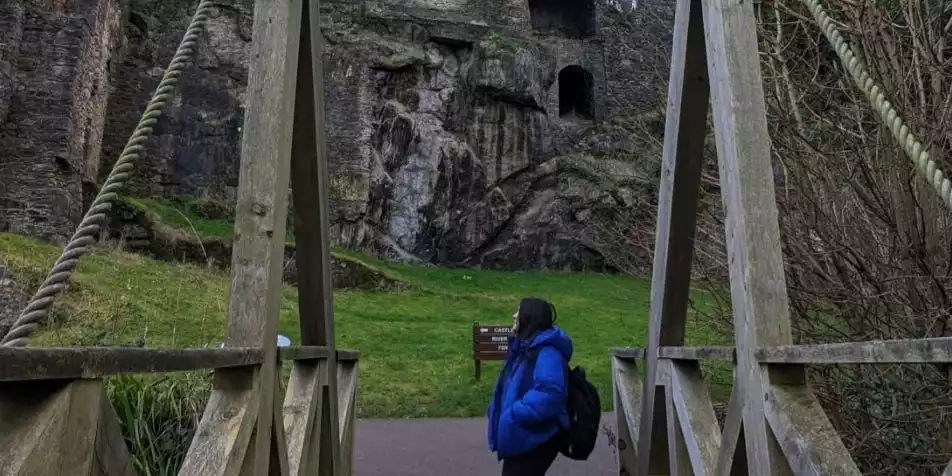
A subtle but profound transformation is underway in Ireland’s travel, mobility, and experience economies, as illuminated by the recent account of an international student navigating Dublin’s periphery. Eschewing the grandeur of Blarney Castle and the Cliffs of Moher, she gravitated instead toward the understated charm of Howth, Glendalough, Kinsale, and Dalkey. Her choices—guided by public transport, digital discovery, and a hunger for authenticity—signal an emergent paradigm in tourism: one that prizes immersive micro-experiences over the mere accumulation of iconic sites.
This narrative, while singular, is emblematic of a broader, data-backed movement. The World Travel & Tourism Council’s latest figures reveal a 36% year-on-year surge in bookings for secondary nature sites, far outpacing the 14% growth seen by legacy landmarks. The implications for Ireland’s travel sector are profound, touching every facet from mobility infrastructure to culinary entrepreneurship.
The Experiential Pivot: Authenticity, Access, and the New Metrics of Value
Today’s travelers, particularly the digitally native and post-pandemic cohorts, are recalibrating their criteria for satisfaction. No longer content with ticking off guidebook staples, they weigh destinations by:
- Friction Costs: How long must one wait in line? How complex is the journey? What is the density of the crowd?
- Experiential Authenticity: Is the encounter unique, unmediated, and reflective of local culture?
- Time and Value Efficiency: Does the experience justify the investment of time and money?
The student’s journey, mapped exclusively by Dublin’s bus and rail network, exemplifies the democratizing power of public transport. Short-hop rail lines not only enable spontaneous day trips but also distribute economic benefits to satellite towns—Howth’s cliff walks, Dalkey’s literary haunts—previously overshadowed by marquee attractions. This model dovetails with the EU’s Fit-for-55 emissions targets, as low-cost, high-frequency transit options reduce road congestion and carbon output, while supporting regional economies.
Digital Discovery and the Quiet Power of Peer Influence
Perhaps most striking is the ascendancy of informal, peer-generated content in shaping destination reputations. The student’s itinerary, curated through personal research and long-form social posts, bypassed the gravitational pull of heavily marketed sites. In this new order:
- Uncredentialed Influencers: Authentic, first-person narratives now outpace official tourism campaigns in digital discoverability.
- Discoverability Inversion: Tourism boards must adapt, leveraging real-time sentiment analysis and influencer partnerships to remain relevant.
- Dynamic Storytelling: Destinations that cultivate “quiet capital”—the allure of uncrowded, locally cherished experiences—are beginning to outshine those that rely solely on heritage prestige.
This shift is not a rejection of heritage, but a demand for innovation in its delivery. The willingness to pay for storied rituals—like kissing the Blarney Stone—is increasingly conditional on throughput solutions: e-ticketing, capacity-based pricing, and digital queuing. Scarcity mitigation, not mere tradition, is the new premium.
The Creative and Culinary Renaissance: Locality as Economic Engine
Towns like Kinsale and Dalkey are reaping the rewards of investing in their intangible assets. Kinsale’s emergence as a “food capital” and Dalkey’s literary cachet illustrate a powerful trend: the monetization of creative and culinary economies. According to OECD data, every euro spent in the creative sector yields €1.82 in local GDP—a multiplier effect that dwarfs returns from traditional sightseeing.
For hospitality and F&B operators, the “last-mile hunger” effect is particularly potent. Hikers and walkers, arriving famished from cliffside rambles, spend up to 22% more per capita on food and drink. The opportunity lies in curating menus and experiences that capitalize on this surge, while aligning with sustainability certifications that resonate with environmentally conscious travelers.
Redefining Competitive Advantage in the Experience Economy
As micro-experience demand, transport-led dispersion, and influencer-driven discovery converge, Ireland stands at the vanguard of a new tourism economy. The path forward is clear for destination managers, mobility operators, and policy makers alike:
- Invest in real-time visitor analytics and dynamic capacity management.
- Forge partnerships with local creators, chefs, and storytellers.
- Prioritize low-carbon, high-frequency transport links to distribute tourism equitably.
- Embrace digital platforms that amplify authentic, user-generated narratives.
Stakeholders who recognize time, crowding, and carbon footprint as the new currencies of traveler satisfaction will define the next era of Irish tourism. In this evolving landscape, destinations that blend data-driven stewardship with the poetry of place will not only endure—they will flourish.

 By
By
 By
By
 By
By

 By
By