
A Seventy-Year-Old Astronaut’s Lens: Reframing the Edge of Human and Machine Endeavor
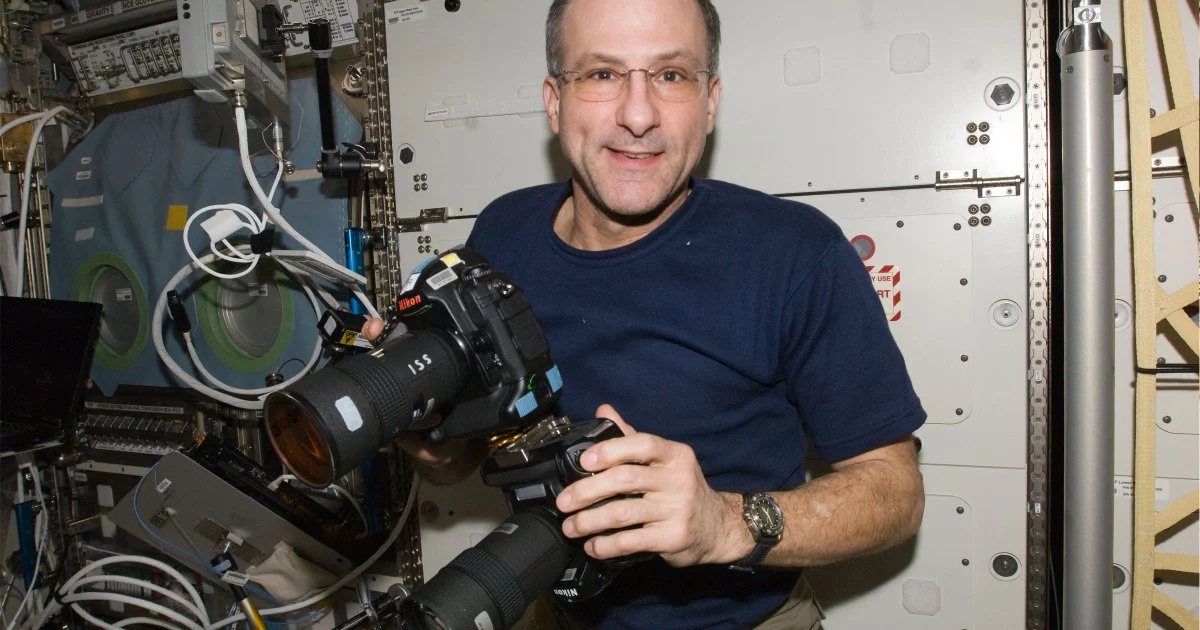
When Don Pettit, NASA’s indefatigable septuagenarian, snapped a commercial jet from the International Space Station—250 miles above the planet’s surface—he did more than capture a fleeting moment in the stratosphere. His image, briefly banished from a popular aviation forum before public demand restored it, became a flashpoint for two converging forces: the relentless advance of imaging technology and the evolving, sometimes capricious, mechanisms of digital content moderation. In Pettit’s hands, the camera became both a scientific instrument and a cultural artifact, refracting the future of work, governance, and creativity through the prism of orbital life.
Imaging the Unimaginable: The New Optics of Space
Pettit’s photograph is not simply a technical marvel—it is a harbinger. The ability to seize such detail from the ISS is testament to the exponential gains in compact, high-sensitivity sensors, now robust enough for the rigors of microgravity. The pipeline from mirrorless cameras to radiation-hardened storage is shrinking, both in size and in cost. What was once the purview of flagship government missions is rapidly migrating to the commercial sector, where cubesat constellations promise pro-grade optics at a fraction of the legacy price.
The next leap is already visible on the horizon: edge AI, embedded directly within orbital imaging modules. These AI-optimized, low-SWaP (size, weight, and power) payloads will soon pre-process data in situ, enabling real-time anomaly detection—think wildfires, shipping traffic, or even unauthorized launches—while slashing the bandwidth required for downlink. For investors and strategists, the message is clear: the democratization of space imaging is not a matter of if, but when. Within the next three years, the line between government and private-sector capabilities will blur, and the commercial applications—from climate surveillance to insurance—will be profound.
Moderation in Orbit: The Governance Challenge of the Spatial Web
The brief removal of Pettit’s image from Reddit’s r/aviation forum, flagged for “blurriness” by an automated moderator, exposed the growing pains of user-moderated digital communities. As the volume and variety of spatial-web content explodes, so too do the challenges of adjudicating authenticity, intellectual property, and quality. Heuristic rule sets, while efficient, are blunt instruments—liable to misclassify outlier content that defies easy categorization.
The future will belong to platforms that can deploy multimodal AI evaluators, trained on domain-specific data sets (aerospace imagery, for instance), to contextualize edge cases with nuance and transparency. The stakes are high: a single misclassification can squander community goodwill or mute a strategic outreach, particularly when the content in question is as rare and irreplicable as a photograph from orbit. As regulatory scrutiny intensifies, explainable AI tools that provide clear rationales for moderation decisions will become not just desirable, but essential.
Aging Astronauts, Orbital Influencers: The New Economics of Space Work
NASA’s decision to entrust a 70-year-old with a 220-day mission is more than a human-interest footnote—it signals a tectonic shift in occupational health standards. As life-extension technologies and precision medicine reduce age-related risks, high-skill sectors from aviation to nuclear operations may soon find fewer reasons to enforce mandatory retirement. The implications are twofold: talent shortages could ease, but succession planning will grow more complex as seasoned experts remain in the field longer.
Meanwhile, the creator economy is extending its reach into orbit. Pettit’s images are not just scientific data—they are media assets, ripe for monetization. Satellite operators, luxury brands, and immersive VR platforms are already eyeing partnerships that transform authentic space-originated content into exclusive experiences: NFTs, branded fly-throughs, and premium subscription tiers. As commercial stations like Axiom, Vast, and Starlab come online, expect formalized revenue-sharing frameworks for astronaut-generated intellectual property—a precedent-setting development for labor and IP agreements in extraterrestrial workplaces.
Shaping the Next Decade: Strategic Imperatives at the Intersection of Space, AI, and Media
For decision-makers, the lessons are urgent and actionable:
- Reevaluate Talent Policies: Move beyond chronological cut-offs; competency-based standards can unlock deep reservoirs of expertise.
- Stress-Test Moderation Systems: Outlier, high-value content demands governance structures that balance efficiency with discernment.
- Leverage Authenticity: As generative AI saturates digital feeds, verifiable, first-person orbital perspectives command a premium—both for storytelling and for brand differentiation.
- Invest in On-Orbit Edge Analytics: Integrating AI directly into orbital sensors will yield both cost savings and strategic insights, especially for defense, climate, and logistics sectors.
Regulatory bodies are already drafting the contours of astronaut labor rights and content ownership. Enterprises with ambitions in space must engage early, shaping doctrines that will define the next generation of value chains. The hybrid workforce of 2030—human, robotic, and algorithmic—will demand governance frameworks as sophisticated as the technologies they oversee. Those who master this intersection will not just participate in the new space economy—they will define it.

 By
By
 By
By
 By
By

 By
By


 By
By