
Gen Z and the Secondhand Surge: Redefining Fashion’s Value Chain
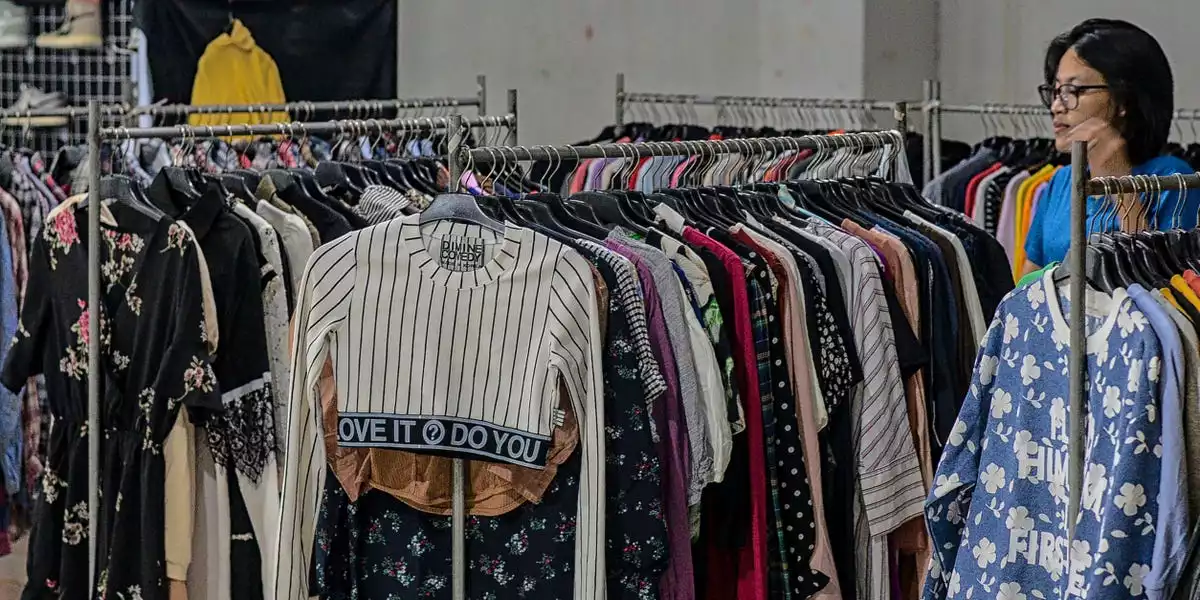
A quiet revolution is reshaping the global fashion and luxury ecosystem—not on the runways of Paris or Milan, but in the digital marketplaces where Generation Z is rewriting the rules of style, sustainability, and commerce. The secondhand fashion sector, long relegated to the periphery of retail, is now outpacing its traditional counterparts by a staggering two to three times, with projections from McKinsey and The Business of Fashion forecasting 16% annualized online resale growth through 2027. If this momentum holds, the market could eclipse $350 billion in value by 2030, signaling a structural shift that transcends mere cyclical trends.
This meteoric rise is no accident. It is the product of converging forces—economic uncertainty, tariff-induced price volatility, and a generational pivot toward sustainability and individualism. For Gen Z, the allure of secondhand is not just about thrift; it is about curating identity in an era of algorithmic sameness. Vintage and archive pieces have become a new form of “identity capital,” their scarcity and provenance conferring status that algorithm-driven fast fashion cannot replicate.
The Digital Infrastructure Powering Resale’s Ascent
At the heart of this transformation lies a sophisticated technological backbone. The leading resale platforms—Depop, Vinted, eBay—are not merely digital thrift stores; they are data-driven marketplaces engineered for scale, speed, and trust.
- API-Driven Marketplaces: By decoupling the customer-facing experience from logistics through microservices, these platforms can rapidly expand across geographies without the capital intensity that hobbles traditional retail.
- AI Authentication and Blockchain Provenance: The specter of counterfeits, once the Achilles’ heel of luxury resale, is being addressed through computer vision and blockchain certificates. This not only protects brand equity but also opens the door for luxury houses to participate in the secondary market without reputational risk.
- Dynamic Pricing Algorithms: Advanced data analytics enable real-time price optimization, maximizing sell-through rates and margins while responding to shifting demand signals—a level of agility that legacy retailers can only envy.
- Plug-and-Play Recommerce Solutions: White-label services now allow incumbent brands to integrate resale modules directly into their e-commerce sites, extending product lifecycles and capturing valuable first-party data.
These innovations are not just technical feats; they are enablers of new economic models. The elasticity of demand—fueled by 60–70% discounts to MSRP—makes resale a natural hedge in times of macroeconomic stress. Meanwhile, the data exhaust generated by millions of transactions is fast becoming a strategic asset, informing everything from inventory planning to design.
Strategic Imperatives: From Cannibalization to Circular Advantage
The implications for industry stakeholders are profound and immediate. For legacy retailers, the risk is existential: failure to integrate certified pre-owned channels could mean ceding entire customer segments to nimbler, data-rich competitors. The most forward-thinking brands are experimenting with profit-sharing models, remarketing returned inventory under their own banners to capture residual value and customer insights.
Luxury houses, once wary of the secondary market, are forging controlled marketplace partnerships—think Gucci x The RealReal—to regulate pricing, harvest data, and identify high-value consumers for primary-market upselling. Even fast-fashion players, often cast as villains in the sustainability narrative, are exploring resale as a lever to manage overstock and burnish their ESG credentials—provided they invest in traceability and garment durability.
Logistics providers, too, are being drawn into the fold. The proliferation of single-SKU, consumer-to-consumer shipments is catalyzing demand for micro-fulfillment hubs and reverse-logistics optimization, unlocking new pools of margin and efficiency.
Emerging Frontiers: Digital Twins, Policy Shifts, and the Next Wave of Value Creation
Beneath the surface, non-obvious connections are emerging that could reshape the industry’s very foundations. The rise of digital identities and the metaverse is creating a feedback loop between physical and virtual ownership—where a rare vintage jacket might confer rights to a tokenized NFT twin, blurring the boundaries between resale, collectibles, and Web3 loyalty.
Policy, too, is acting as an accelerant. Extended Producer Responsibility (EPR) regulations in Europe may soon compel brands to fund end-of-life programs for garments, effectively subsidizing the build-out of resale infrastructure. Meanwhile, the appreciation of secondary-market values is spawning niche insurance products, hinting at a new frontier for fintech innovation.
For investors and executives, the message is clear: valuation premiums and durable network effects will accrue to those who master closed-loop economics, predictive analytics, and circular design principles. The secondhand market is no longer a cyclical safety valve—it is a structurally ascendant channel, demanding integration at the very core of the fashion and luxury value chain.
Those who treat resale as a strategic profit center, rather than a peripheral CSR gesture, will be poised to capture the lion’s share of a market that is rapidly moving from subculture to default choice. In this new era, the line between old and new, primary and secondary, is not just blurred—it is being redrawn.


 By
By
 By
By
 By
By

 By
By
 By
By