
The Rise of the Asset-Light, Experience-Driven Senior: Redefining the Longevity Economy
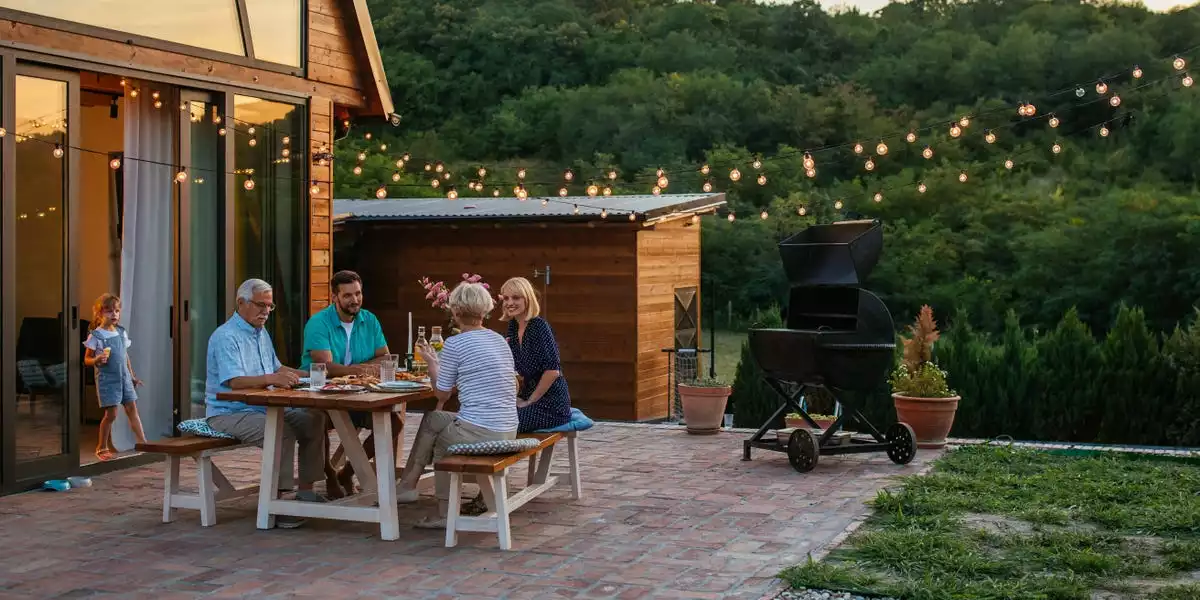
A quietly radical transformation is underway at the intersection of aging, work, and lifestyle. The story of a 69-year-old creative professional—who liquidates a mortgage-laden home, undergoes affordable cosmetic dentistry abroad, accepts a short-term photography contract with an international cruise line, and ultimately resettles in a vibrant, lower-cost artist enclave—serves as a microcosm of seismic shifts rippling through the global economy. This narrative, while singular, is emblematic of a broader movement: the monetization of the “longevity economy,” the normalization of cross-border healthcare, and the emergence of asset-light, experience-centric living.
Demographic Shifts and the New Portfolio Career
By 2030, the world’s population aged 60 and above will exceed 1.4 billion, wielding over $17 trillion in annual spending power. This cohort is not quietly receding into retirement. Instead, many are embracing flexible, portfolio careers—“encore gigs” that blend passion, purpose, and income. The protagonist’s redeployment of decades-honed photography skills aboard a cruise ship is not an anomaly but a harbinger: creative expertise, when reimagined for the experience economy, retains—and even amplifies—its market value.
Key trends shaping this landscape include:
- Skill Redeployment: Mature creatives are leveraging legacy skills in new, modular labor markets, from cruise lines to digital content platforms.
- Location Fluidity: The traditional binary of work versus retirement is dissolving, replaced by a continuum of paid engagement, travel, and self-reinvention.
The Flight from Asset-Heavy Living and the Rise of Creative Micro-Clusters
Soaring mortgage rates and property taxes are nudging empty nesters and seniors toward divestiture of under-utilized homes. The shift from asset-heavy to asset-light living is more than a financial maneuver—it’s a lifestyle recalibration. Affordable rentals in culturally rich secondary cities, such as Asbury Park, are emerging as magnets for mobile, mature creatives. These micro-clusters of talent have the potential to catalyze local economic revitalization, attracting new businesses and fostering vibrant cultural scenes.
Notable developments include:
- Flex-Tenure Housing: Demand is surging for flexible, affordable leasing in artist-centric communities, challenging traditional real estate models.
- Financial Innovation: Institutions are piloting “liquidity-without-liability” instruments—reverse-mortgage alternatives and shared-equity products—tailored for the mobile senior.
Medical Tourism and the Globalization of Healthcare
The protagonist’s decision to undergo cosmetic dentistry abroad is emblematic of Medical Tourism 2.0. Elective procedures, from dentistry to orthopedics, are increasingly shifting to destinations like Brazil, Mexico, and Southeast Asia, where price differentials of 40–70% are common, and clinical outcomes are steadily improving. This trend is forcing insurers and healthcare providers to rethink value propositions and service delivery.
Key dynamics:
- International Accreditation: The rise of cross-border care underscores the importance of global clinical standards and teleconsultation platforms.
- Insurance Innovation: Forward-thinking carriers are exploring “destination care” add-ons, partnering with accredited clinics to retain client touchpoints and capture ancillary travel spend.
Experience-Centric Labor and the Creator-Employee Convergence
Cruise lines, rebounding from pandemic-era contractions, are rapidly evolving into modular gig platforms. The demand for content creators, event photographers, and social media managers is reshaping the hospitality labor market. Workers like the protagonist are not merely staff—they are brand storytellers, generating authentic guest-driven content that doubles as a revenue stream.
Emergent opportunities:
- Creator Enablement: Strategic investment in content studios and revenue-share marketplaces can convert transient staff into micro-influencers, amplifying brand reach.
- Assistive Technology: AI-powered editing suites, lightweight mirrorless cameras, and cloud-based workflows are democratizing creative work, enabling older professionals to remain competitive.
Strategic Imperatives for Industry Leaders
The convergence of longevity, mobility, and digital enablement presents both opportunities and existential threats across multiple sectors. Decision-makers should heed the following imperatives:
- Design for the Active 60+ Nomad: Develop subscription-based insurance, pay-as-you-go storage, and portable medical records to serve a mobile, experience-driven senior demographic.
- Re-price Real Estate Risk: Anticipate the impact of senior divestitures on suburban property values; redirect capital toward mixed-use, culture-led developments in secondary cities.
- Industrialize Medical Tourism: Counter outbound procedure leakage by piloting outbound care management or inbound “center-of-excellence” offerings.
- Formalize Creator-in-Residence Programs: Hospitality brands should harness the creator-employee convergence, offering short-term contracts and subsidized housing to itinerant professionals.
- Invest in Assistive AI: Prioritize tools that compensate for age-related limitations—voice-first editing, vision-enhancing viewfinders—to widen the talent pool.
Navigating the Next Decade: Metrics and Mindsets
As the narrative of personal reinvention gives way to a broader economic metamorphosis, executives must monitor:
- The annual percentage of mortgage-free seniors liquidating property
- Growth in outbound medical tourism (surpassing $65 billion pre-pandemic)
- The ratio of gig-based to full-time staff in hospitality
- Adoption rates of AI tools among creatives aged 55+
- Migration flows into tier-2 creative cities
This is not merely a story of one individual’s journey—it is a signal flare for industries at the nexus of real estate, finance, healthcare, and travel. Those who read these signals, and act with agility, will find themselves not just surviving, but thriving, in the longevity economy’s next act.
 By
By
 By
By
 By
By


 By
By
 By
By
 By
By