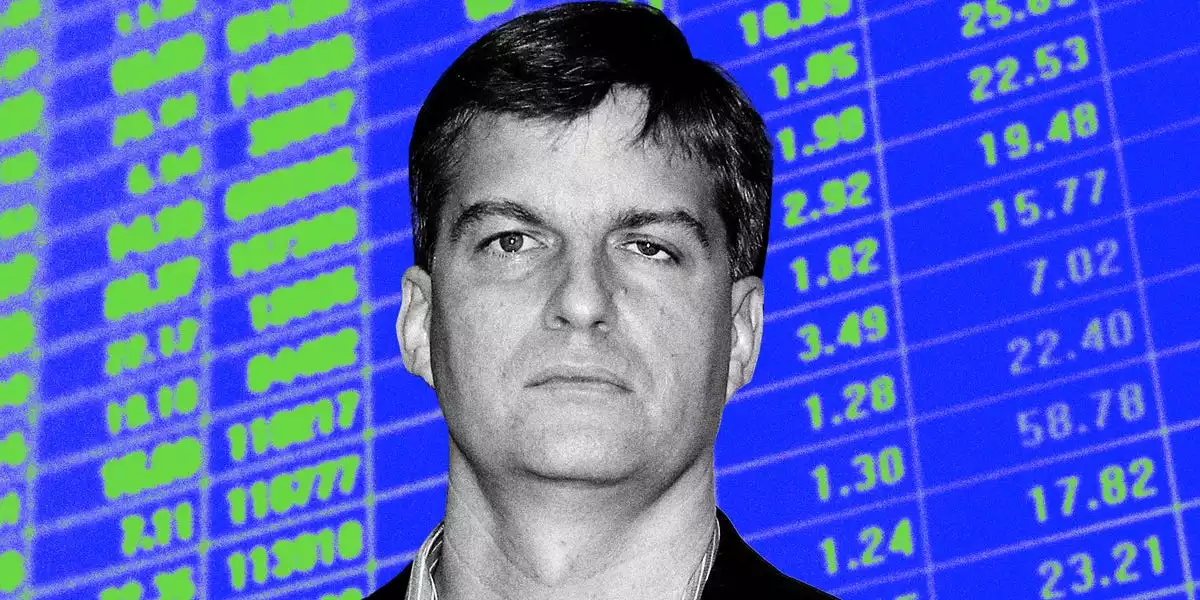

The Mirage of Perpetual AI Growth: Michael Burry’s Skepticism and the Limits of the Current Super-Cycle
Michael Burry, the contrarian investor immortalized for his prescience ahead of the 2008 financial crisis, has turned his analytical lens toward the artificial intelligence boom—a sector now awash in capital, speculation, and soaring expectations. His critique is not a mere quibble over valuations; it is a broadside against the very sustainability of the AI investment cycle, raising uncomfortable questions for hyperscalers, chipmakers, and the legion of enterprise adopters riding the generative wave.
Capital Flows, Infrastructure Glut, and the Risk of Diminishing Returns
The numbers are staggering: Microsoft, Alphabet, and Amazon are set to deploy up to $240 billion in AI-oriented capital expenditures over the next 18 months. This arms race is fueling a feverish expansion of data centers, accelerated compute, and specialized networking. Nvidia, the undisputed kingpin of AI hardware, has seen its price-to-sales ratio soar above 30×—a stratosphere rarely sustained in the history of semiconductors. Palantir, meanwhile, trades at nearly 19× forward sales despite a patchwork of profitability and only modest revenue growth.
Burry’s warning is rooted in historical precedent. The railroad boom of the 19th century and the fiber-optic buildout of the early 2000s both saw infrastructure investments overshoot true demand by multiples, leading to painful write-downs and a brutal rationalization of capacity. Today, the bulk of AI deployments remain stuck in proof-of-concept limbo; fewer than 15% of generative-AI pilots have cleared rigorous ROI hurdles, according to Gartner’s latest CIO survey. The hyperscalers’ economic models depend on selling excess compute to late adopters—a dynamic that echoes the “arms race” mentality Burry finds so perilous.
Key signals of potential overreach:
- Nvidia’s free cash flow margin exceeds 50%, while downstream server OEMs and foundries struggle below their cost of capital.
- Enterprise cloud spend as a percentage of IT budgets shows signs of plateauing, a harbinger of possible vendor repricing.
- Secondary-market GPU pricing may soon serve as a canary in the coal mine for capex rationalization.
Energy, Efficiency, and the Fragility of the Current Stack
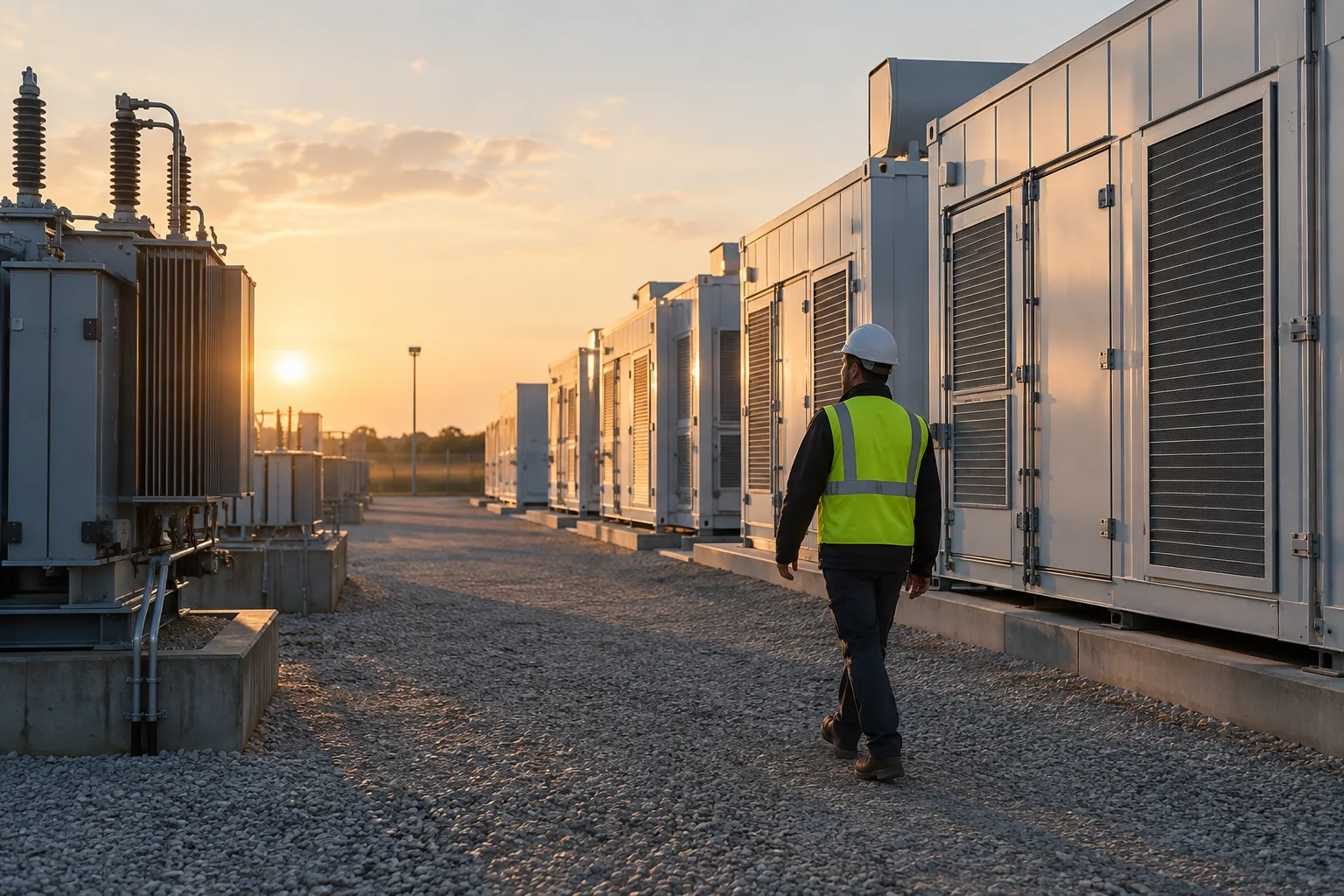
Burry’s critique extends beyond dollars and cents to the physical realities underpinning AI’s ascent. Each GPT-4 query consumes roughly ten times the energy of a traditional web search, and U.S. data centers could soon account for 4% of national electricity demand. Such an energy footprint is not merely a technical challenge—it is a looming regulatory and societal flashpoint, especially if carbon pricing regimes tighten.
The efficiency roadmap for AI compute is anything but linear. Architectural innovations—sparsity, analog compute, photonics—could disrupt the current GPU hegemony with little warning. History is replete with incumbents whose fortunes were tied to a single dominant node, only to be upended by a paradigm shift. The market’s current pricing of Nvidia and its ilk appears to underappreciate this risk.
Emerging inflection points:
- Open-source LLMs (like Mistral and Llama-3) now approach 90% of GPT-4’s performance at a fraction of the training cost, undermining the premise that only hyperscalers can sustain the capex race.
- Grid congestion pricing in data-center hubs such as Virginia and Dublin is becoming a proxy for energy-driven margin compression.
Labor Dislocation and the Shifting Sands of Value Creation
The AI surge is already reshaping the labor market. U.S. “software developer” job postings have declined 37% year-over-year, while demand for “prompt engineers” has surged, albeit from a small base. This echoes the CAD revolution of the 1980s, where productivity gains compressed mid-tier headcount before spawning new specialist roles. Even skilled trades, long thought immune, are feeling the tremors—autonomous welding and AI-assisted carpentry are delivering double-digit cost reductions, threatening to ripple through consumption patterns and downstream sectors.
Strategic questions for leaders:
- How defensible are your data moats under emerging disclosure regimes?
- Is your energy cost structure resilient if AI workloads triple?
- What are the breakeven economics for automating skilled labor in your industry?
Navigating an Uncertain Horizon: Scenarios and Strategic Imperatives
Burry’s skepticism is not a call for retreat, but for discernment. The future of AI investment may unfold along several axes:
- Rational exuberance: Capex moderates, valuations compress, but adoption continues—favoring those who invest in proprietary data and flexible partnerships.
- Hard landing: Oversupply and recession trigger consolidation and layoffs, demanding rigorous payback analysis and adaptive contracts.
- Paradigm shift: Disruptive compute architectures cannibalize GPU demand, rewarding early bets on alternative silicon and toolchains.
- Secular upside: AI productivity gains compound, regulatory clarity emerges, and current valuations are vindicated—though this remains the least probable scenario.
The lesson is clear: technological inflection points rarely yield linear returns. The current AI cycle, with its unprecedented capital intensity and energy appetite, is as vulnerable to overreach and rapid commoditization as any that came before. For decision-makers, the path forward demands a blend of opportunism and discipline—anchored in data governance, energy economics, and contractual agility. Those who navigate these complexities with clear-eyed realism will be best positioned to thrive, whether the next chapter brings a rational plateau or a painful correction.

 By
By
 By
By

 By
By

 By
By

 By
By