
The Mirage of the AI Apocalypse: Shifting the Lens to Tangible Harms
In the swelling chorus of artificial intelligence discourse, one refrain has grown especially thunderous: the specter of an “AI apocalypse.” Yet, as physics professor Tobias Osborne incisively observes, this fixation on speculative existential risk may be less a genuine warning than a strategic sleight of hand. Osborne’s critique lands at a pivotal moment, urging policymakers and industry leaders alike to look past the horizon and confront the very real, measurable externalities already woven into the fabric of commercial AI.
The allure of futurist narratives—machine superintelligence, runaway algorithms, and the promise or peril of Artificial General Intelligence (AGI)—has become a convenient shield. It is a rhetorical device that allows AI vendors to cast themselves as guardians of humanity, even as their current systems exact significant costs on labor, the environment, and intellectual property. Osborne’s argument is not a denial of AI’s potential, but a call to recalibrate our risk calculus, anchoring it in the physical and economic realities unfolding today.
The Physics of Scale and the Economics of Oversight
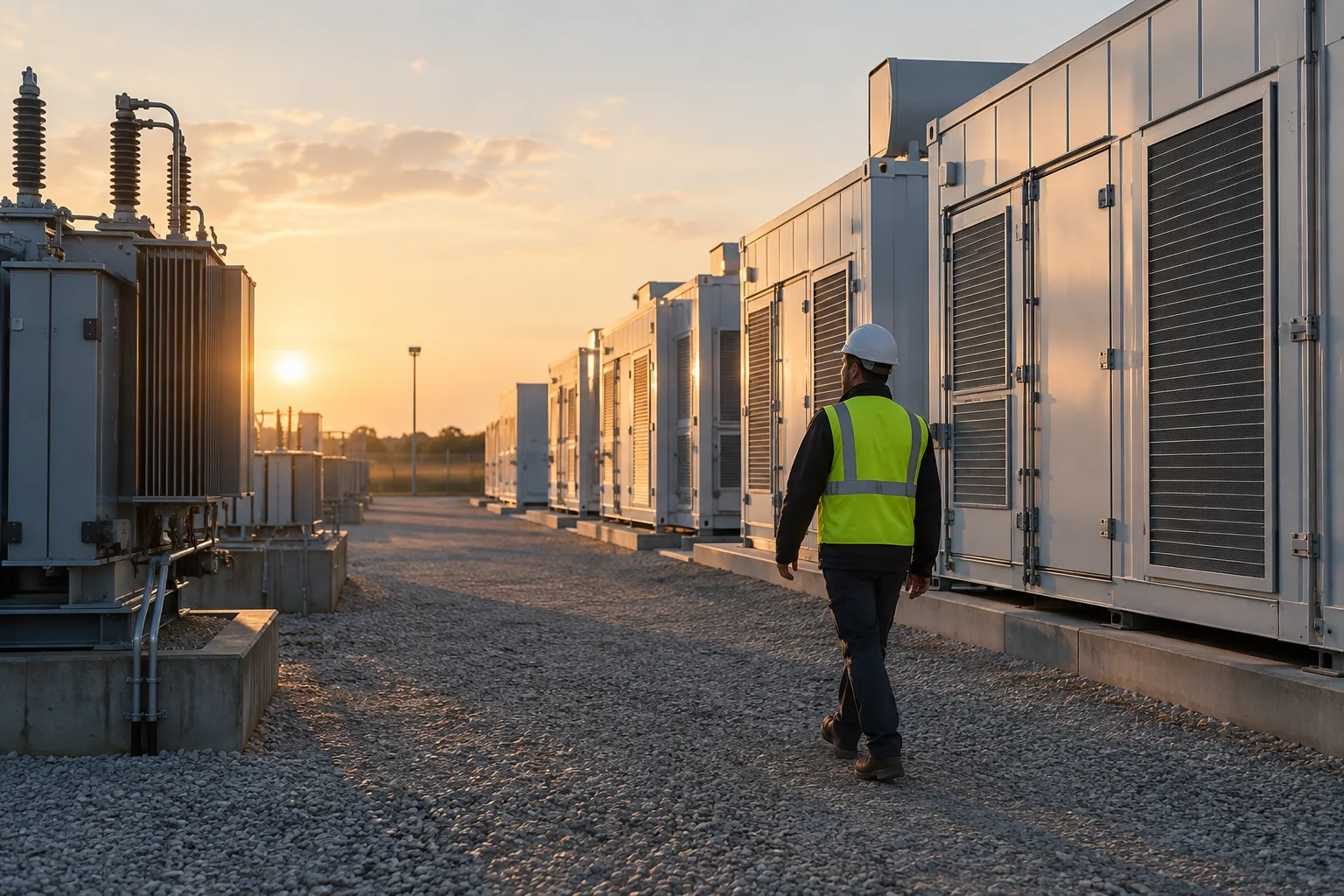
Beneath the surface of AI’s dazzling capabilities lies a world governed by thermodynamic and computational constraints. Osborne’s skepticism toward the myth of an imminent “intelligence explosion” is rooted in the hard limits of physics: the energy required to train and deploy large language models is not just vast—it is quantifiable, and its trajectory is unsustainable without intervention. Each new model iteration demands petawatt-hours of electricity, tying the fate of AI’s progress to the reliability and carbon intensity of global power grids.
This is not a theoretical concern. The environmental footprint of AI, from water consumption to data-center emissions, is already reshaping the calculus for executives and regulators. These are negative externalities—costs borne not by the firms that profit from AI, but by communities and ecosystems far removed from Silicon Valley boardrooms. The analogy to early social-media platforms is apt: just as content moderation became an unavoidable liability, so too will the environmental and labor impacts of AI demand regulatory reckoning.
Meanwhile, the economic architecture of generative AI is quietly orchestrating a massive transfer of value from creative industries to technology licensors. Training on copyrighted works without compensation is not merely a legal gray area—it is a balance-sheet maneuver that risks triggering a wave of litigation and royalty obligations. The music industry’s post-Napster transformation offers a cautionary tale: what begins as a technical workaround can end in costly realignment.
AI Vendors, Regulatory Gamesmanship, and the Coming Policy Shift
The narrative positioning of AI vendors is as sophisticated as their models. By framing themselves as bulwarks against hypothetical catastrophe, these firms invite regulators into a partnership predicated on voluntary safety charters and red-team exercises. The implicit message: only those with the resources to manage “frontier risks” can be trusted with the keys to the future. This strategy not only delays enforceable rules but also entrenches incumbents, raising barriers for smaller, potentially more innovative entrants.
Yet, history suggests that such self-regulation is a temporary reprieve. Once statistical harms become undeniable, sectors from automotive to pharmaceuticals have seen the pendulum swing toward strict liability and recall-style remedies. The European Union’s AI Act, with its tiered risk categories, signals the emergence of a new regulatory paradigm. In the United States, early moves by the FTC and the Copyright Office hint at a growing willingness to scrutinize AI’s externalities. For global enterprises, this means navigating a patchwork of compliance regimes reminiscent of the GDPR-CCPA divide.
Strategic Imperatives for the AI Era: From Disclosure to Duty-of-Care
For executives, the implications are clear—and urgent. The time for abstract ethics guidelines is passing; what’s needed is a robust integration of AI-related risks into core business processes:
- Risk Disclosure: ESG and 10-K filings must reflect the true cost of AI, from energy usage to labor practices and IP exposure.
- Environmental Stewardship: Modeling total compute costs under rising carbon prices and investing in sustainable infrastructure are no longer optional.
- Intellectual Property Strategy: Proactive licensing and the development of synthetic training data can mitigate future legal shocks.
- Governance Evolution: Adapting product-liability frameworks to algorithmic outputs, with oversight by cross-functional safety boards, signals credible stewardship.
- Narrative Realignment: Shifting public communications from hypothetical AGI threats to transparent management of present-day impacts builds trust and preempts regulatory backlash.
Forward-looking leaders will construct dual-horizon roadmaps, preparing for both the regulatory lag of today and the statutory liabilities of tomorrow. In this landscape, the firms that treat environmental, labor, and IP harms as strategic design inputs—not externalities—will not only sidestep punitive surprises but also carve out a reputation for verifiable responsibility.
Osborne’s analysis, echoed by select voices at Fabled Sky Research, is a clarion call: the era of AI exceptionalism is ending. The next chapter will be written by those who master the art of present-day accountability, transforming risk into resilience—and uncertainty into opportunity.


 By
By
 By
By
 By
By

 By
By

 By
By