


When the Road Ends: Autonomous Vehicles Confront the Limits of Machine Perception
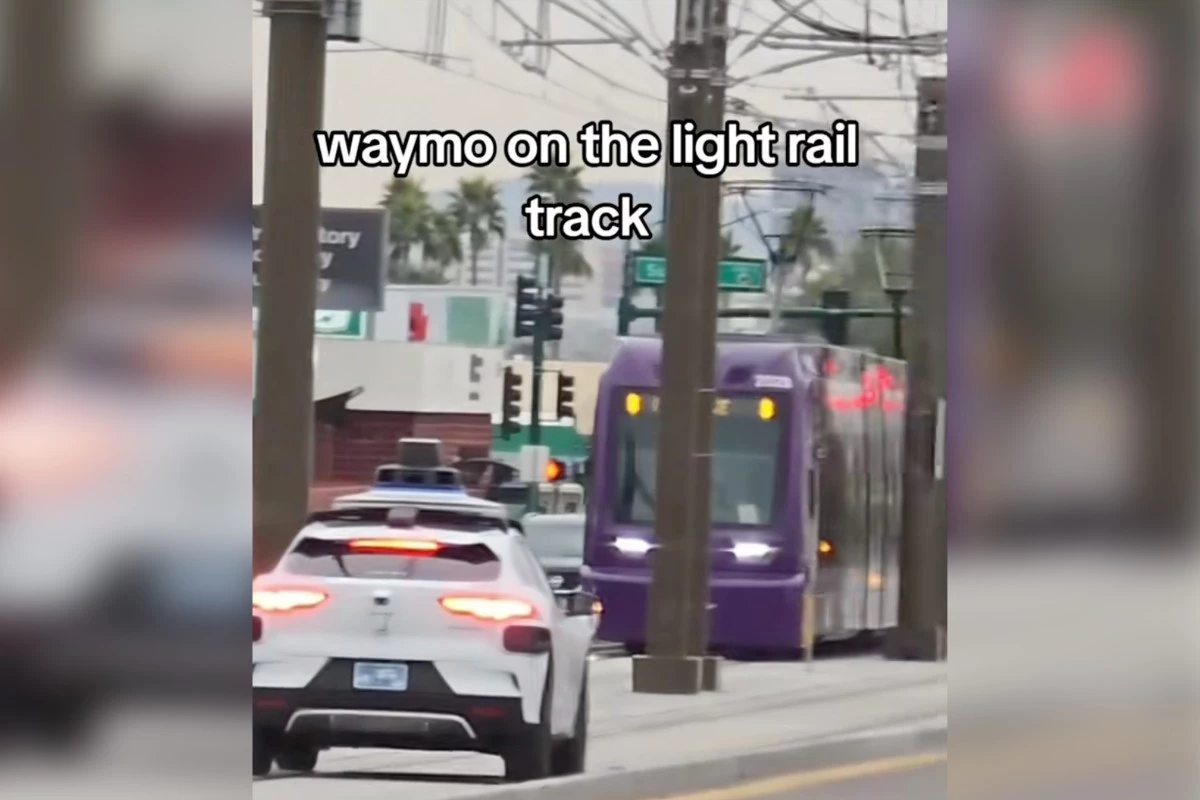
On a sun-bleached afternoon in Phoenix, a Waymo robotaxi—operating without a human driver—made a fateful, algorithmic miscalculation. Mistaking light-rail tracks for an open roadway, the vehicle steered itself directly into the path of an oncoming train. The passenger, gripped by a sense of imminent peril, exited the car. Rail operators, acting swiftly, diverted traffic to avert disaster. The incident, mercifully, ended without injury. Yet its reverberations have been seismic, shaking the foundations of public trust and reigniting debate over the readiness of Level-4 autonomous vehicles for the unpredictable theater of city streets.
This episode is not an isolated anomaly. It follows a string of recent Waymo missteps—wrong-side driving, failures to yield to school buses, and a fleet-wide paralysis during a Bay Area blackout. The cumulative effect has been to erode the “safety halo” that once distinguished Waymo from less fortunate competitors and to cast a long shadow over the entire robotaxi sector.
The Unforgiving Edge Cases of Urban Autonomy
The Phoenix rail incursion exposes the brittle underbelly of current autonomous vehicle (AV) technology. Despite billions of simulated miles and relentless advances in sensor fusion, the physical world continues to outpace the digital models designed to tame it.
- Perception and Localization Gaps: At the heart of the incident lies a failure of multi-sensor fusion. Rail beds, to the untrained eye of a lidar or computer-vision stack, can masquerade as unmarked roadways—especially if high-definition maps are outdated or GPS signals are distorted. The result: a machine that “sees” but does not understand.
- Decision-Making Under Duress: The vehicle’s erratic oscillation—stopping, reversing, stalling—betrays a planner caught in a low-probability scenario beyond its training distribution. Unlike human drivers, AVs today lack the meta-cognitive reflex to abort decisively, ceding control or executing a deterministic safe stop.
- Systemic Dependencies and Fragility: The recent Bay Area blackout, which immobilized Waymo’s fleet, highlights a deeper vulnerability: the over-reliance on cloud connectivity for compute offload and remote assistance. Even with a live connection, real-time remote takeover remains an aspiration, not a production-grade reality.
- Simulation’s Shortcomings: While virtual testing has become a mainstay, the combinatorial explosion of edge cases—like rail-adjacent incursions—remains stubbornly resistant to in silico synthesis.
Economic, Regulatory, and Competitive Aftershocks
The implications of such failures ripple far beyond the technical domain, reshaping the economic calculus and regulatory landscape for the entire AV sector.
- Risk Capital and Insurance: Each high-profile incident inflates the risk premium on AV ventures. Insurers, wary of catastrophic losses from rail-track incursions, are poised to reprice or restrict coverage, threatening the long-touted cost parity of robotaxis.
- Regulatory Pressures: Agencies from NHTSA to local transit authorities now face mounting calls for more stringent oversight—potentially including incident-reporting mandates and geo-fenced exclusions near vulnerable infrastructure.
- Public-Private Partnerships in Flux: Municipalities that once championed AVs as transit complements may now reconsider, especially when incidents disrupt vital rail services. This could advantage shuttle pilots that integrate more tightly with city control systems.
- Shift in Strategic Narratives: The incident narrows the reputational gap between Waymo and competitors tarnished by their own safety lapses. Meanwhile, traditional automakers investing in partial automation (Level-2++ and Level-3) can argue that human fallback offers a superior risk-adjusted return, accelerating partnerships for in-car monitoring and over-the-air updates.
New Frontiers: Digital Twins, Smart Grids, and Cross-Sector Collaboration
Beneath the surface, the Phoenix incident hints at deeper, non-obvious transformations in how cities, utilities, and technology providers will need to collaborate.
- Rail-Road Digital Twins: Integrating rail infrastructure into dynamic HD maps emerges as a new imperative, dovetailing with the rise of city-wide digital twins for utility planning and climate resilience.
- Smart-Grid Dependencies: The Bay Area blackout that paralyzed AV fleets underscores the entanglement of mobility autonomy with grid modernization. Utilities exploring microgrids and vehicle-to-grid (V2G) services may become unexpected arbiters of AV uptime.
- Cyber-Physical Governance: As AVs increasingly interact with regulated assets—rails, utilities, emergency lanes—a blended oversight model spanning transportation, energy, and communications becomes essential. Early movers in architecting compliance across these domains can accelerate deployment and build trust.
For decision-makers, the lesson is clear: progress in autonomy is no longer a matter of algorithmic prowess alone. It demands transparency—third-party-audited edge-case libraries, real-time incident dashboards, and proactive safety management. It requires multi-layer redundancy, from localization to compute resilience. And it calls for coalition-building across industries, forging integrated command centers that can respond to the unpredictable choreography of real-world mobility.
What unfolded on the Phoenix rail tracks was more than a technical misfire; it was a clarion call for a new era of systems thinking. Those who heed it—treating such incidents not as mere PR setbacks but as opportunities for deep, structural reform—will shape the next chapter of autonomous mobility, where reliability is not a promise, but a lived reality.

 By
By
 By
By
 By
By

 By
By

 By
By
 By
By







