

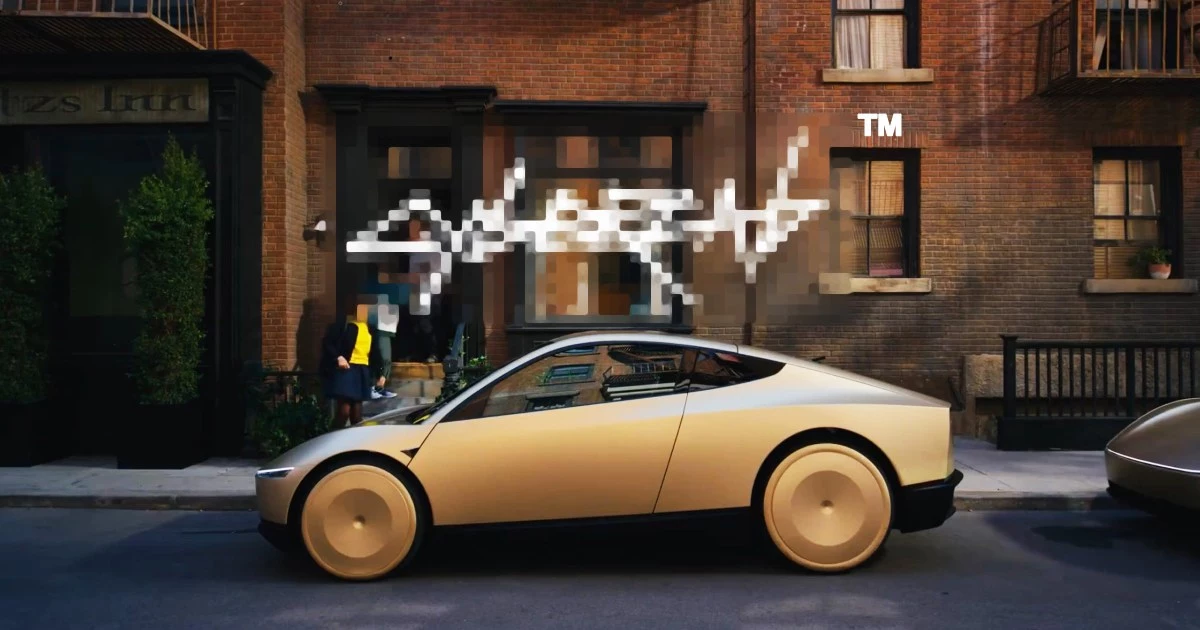

The Trademark Tangle: How a Naming Dispute Threatens Tesla’s Autonomous Ambitions
In the world of autonomous mobility, where software outpaces steel and narrative often trumps hardware, a single word can be worth billions. Tesla’s ambitious foray into driverless ride-hailing—heralded by the much-anticipated “Cybercab”—has hit a bureaucratic snag with far-reaching consequences. The U.S. Patent and Trademark Office’s suspension of Tesla’s “Cybercab” application, triggered by a prior claim from French beverage maker Unibev, is more than a paperwork headache. It’s a high-stakes lesson in the intersection of intellectual property, branding, and the future of mobility.
Intellectual Property as Strategic Leverage
Tesla’s predicament is rooted in a surprising procedural oversight. Despite Elon Musk’s public unveiling of the Cybercab in October 2024, the company waited until November to file its trademark application—by which time Unibev had already staked its claim. For a company celebrated for its legal and technical sophistication, this misstep signals either an internal breakdown or a calculated gamble that Tesla’s brand power could steamroll regulatory nuance.
The risks are immediate and multifaceted:
- Litigation or Rebrand: Tesla now faces a forked path: protracted litigation, a costly settlement, or a hasty rebrand. Each route threatens to dilute marketing momentum or compress margins at a critical juncture.
- Brand Equity at Stake: The “Cybercab” name was meant to anchor Tesla’s pivot from slowing electric vehicle sales to high-margin, software-driven mobility services. Any disruption here risks undermining investor confidence in the company’s evolving narrative.
- Legal Precedent: The USPTO’s recent rejection of “Robotaxi” as too generic signals a tightening stance on AI-mobility trademarks. Tesla’s experience may become a cautionary tale for others racing to define the language of next-generation transport.
Unibev’s maneuver is not unprecedented; its earlier “Teslaquila” episode underscores how opportunistic trademark filings can become tactical tools—levying a de facto tax on rapid innovation and diversification.
Technology Readiness Meets Branding Uncertainty
Beneath the surface of this legal drama lies a deeper operational dilemma. The Cybercab was conceived as a clean-sheet, Level-4 autonomous vehicle, designed to harmonize sensor arrays, battery architecture, and passenger experience. Yet, with the bespoke hardware stalled, Tesla’s pilot Robotaxi service in Austin relies on retrofitted Model Ys—a stopgap that introduces operational inefficiencies and complicates fleet scaling.
- Sensor-Stack Divergence: While rivals like Waymo and Cruise invest heavily in lidar and multi-modal sensors, Tesla’s camera-centric approach depends on vast real-world data. Delays in launching a branded, purpose-built fleet mean fewer autonomous miles, slowing the neural network’s learning curve and eroding a key competitive advantage.
- Ecosystem Influence: As regulatory bodies such as NHTSA and UNECE draft frameworks for driverless vehicle standards, Tesla’s inability to secure a distinctive brand name could marginalize its influence over industry terminology—a subtle but significant loss in the race to shape public and regulatory perception.
Competitive Dynamics and Market Consequences
The autonomous ride-hailing sector is rapidly coalescing into an oligopoly, with geographic densification and local partnerships as the battlegrounds. Waymo, Baidu’s Apollo Go, and GM’s Cruise are all vying for first-mover advantage. Tesla’s branding delay extends the window for competitors to entrench themselves with municipalities and fleet partners, potentially locking Tesla out of critical early markets.
- Regulatory Scrutiny: The public nature of Tesla’s trademark dispute may attract further antitrust attention, especially as regulators on both sides of the Atlantic scrutinize platform dominance in mobility data.
- Capital Market Sensitivity: For investors, the implications are stark. A significant portion of Tesla’s valuation is predicated on future autonomous-mobility revenues. Any delay—whether from legal wrangling or rebranding—could materially impact discounted cash-flow models, exacerbating volatility in a market already jittery from macroeconomic headwinds.
- Supply Chain Ripples: Suppliers of specialized components for the Cybercab may defer investments, tightening future availability and compounding launch delays.
Strategic Lessons and Industry Signals
Tesla’s trademark turbulence offers a cautionary blueprint for strategic decision-makers across mobility and technology:
- Institutionalize IP Hygiene: Integrate trademark clearance into early product development, treating naming as a core asset rather than a marketing afterthought.
- Scenario-Weight Revenue Projections: Investors and planners must account for legal and regulatory delays that are orthogonal to engineering milestones.
- Exploit Adjacency Opportunities: Transit agencies and infrastructure players can use Tesla’s pause to pilot alternative platforms, diversifying their vendor base before network effects harden.
- Monitor for M&A and IP Rollups: If Tesla pursues acquisition to secure a trademark portfolio, it could trigger a wave of “IP-rollup” strategies in the sector.
The collision of intangible-asset strategy, regulatory frameworks, and data-driven innovation is reshaping the contours of the autonomous mobility race. As Tesla navigates this trademark impasse, the entire industry is reminded that in the era of AI-powered transport, the right to a name can be as decisive as the code that drives the car.

 By
By
 By
By
 By
By
 By
By
 By
By
 By
By

 By
By







