


Reinventing Urban Retail: Target’s SoHo Prototype as a Blueprint for the Future
In the heart of Manhattan’s SoHo district, Target has unveiled more than a store—it has launched a meticulously engineered experiment in the art and science of retail. Under the stewardship of incoming CEO Michael Fiddelke, this reimagined location is not simply a facelift or a nod to local aesthetics. Instead, it is a bold prototype for a next-generation retail format, one that fuses experiential design, data-driven engagement, and strategic merchandising within a compact urban footprint. As discretionary spending normalizes and the once-unstoppable rise of e-commerce shows signs of plateauing, Target’s SoHo gambit signals a decisive pivot: the battle for consumer loyalty will be waged not on price alone, but on immersive, differentiated experiences.
From Commodity to Curated: The Anatomy of Target’s Experiential Pivot
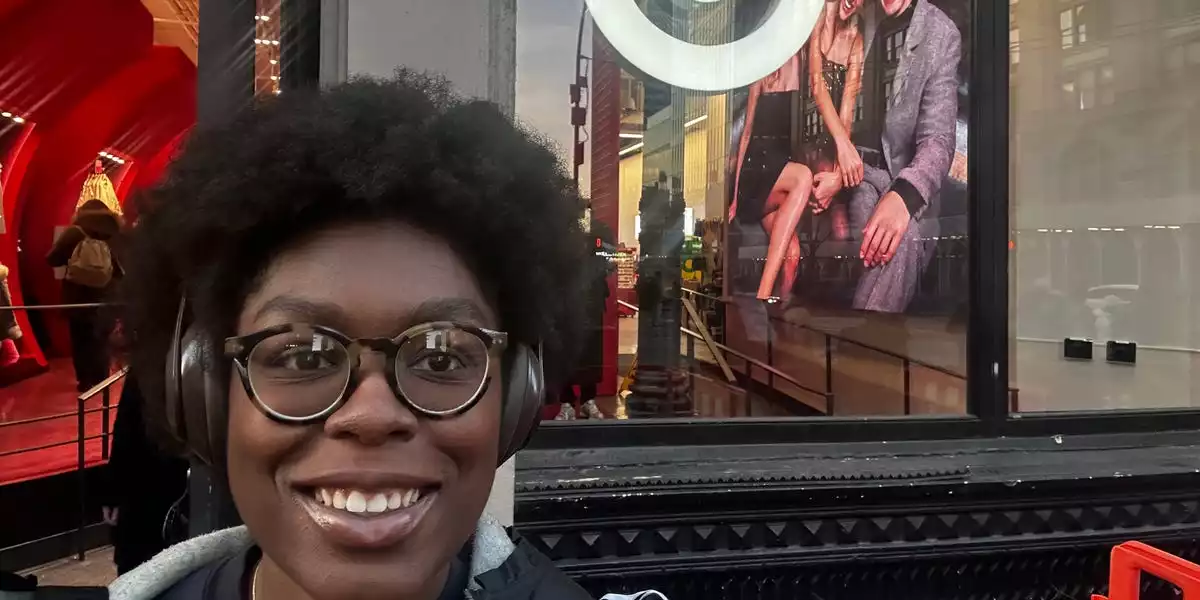
Target’s SoHo store is a study in contrasts and convergence. Once a convenience-oriented outpost, it now boasts a full apparel section featuring fashion-forward private labels like Wild Fable—marking the first time such offerings have graced this urban format. The exterior, adorned with a striking bull’s-eye portal and bold red arches, is designed to arrest the gaze of passersby, while Alpine holiday theming inside amplifies seasonal allure and street-level footfall.
Key elements of this transformation include:
- Dual-Level Zoning: The upper floor is a stage for discovery, brand theater, and interactive experiences, while the lower level retains the core replenishment staples that drive daily traffic.
- Interactive Digital Touchpoints: Camera-enabled displays and photobooths double as “content studios,” converting shoppers into micro-influencers and feeding Target’s first-party data ecosystem.
- Modular Merchandising: Dynamic fixtures and computer-vision analytics enable overnight reconfiguration, shrinking the time from trend to shelf from weeks to mere hours.
This is not retail as usual. By marrying high-margin discretionary categories like apparel and beauty—whose gross margins outpace food and consumables by 800 to 1,200 basis points—with data-harvesting technology and theatrical design, Target is engineering a model that promises both profitability and cultural cachet.
Data, Design, and the New Economics of Urban Footprints
The SoHo prototype is as much about what happens behind the scenes as what dazzles on the shop floor. Interactive fixtures, such as smart displays and photobooths, create a closed loop of zero-party data: customers willingly share demographic and sentiment information, lowering Target’s customer acquisition costs and powering more precise, targeted media buys. This data-centric approach is further amplified by the store’s omnichannel backbone—the lower level is optimized for rapid picking and same-day delivery, transforming the store into both a showroom and a last-mile logistics node.
Strategically, the timing and location are no accident. SoHo rents remain below pre-pandemic highs, while tourist and local traffic rebounds. By locking in leases now, Target secures a medium-term cost advantage over competitors who retreated from urban real estate during COVID-19. Fiddelke’s finance-driven leadership is evident: this initiative is capex-light but brand-heavy, signaling fiscal discipline without sacrificing growth ambition—a message likely to resonate with both growth and value investors.
Retail’s New Arms Race: Experience, Data, and the Urban Consumer
Target’s SoHo experiment does not exist in a vacuum. It is the latest salvo in a broader industry shift, joining the likes of Nike’s House of Innovation and Lululemon’s experiential hubs in redefining the physical store as a media channel and cultural touchpoint. As digital return on ad spend deteriorates, and consumers—buoyed by stabilizing wages and cooling inflation—seek novelty without abandoning value, the “affordable trend” proposition is uniquely resonant.
The implications ripple far beyond Target’s walls:
- Portfolio Strategy: Expect a wave of urban store retrofits, with suppliers in beauty, home décor, and apparel bracing for accelerated cycles and demand spikes.
- Media Monetization: In-store screens and interactive fixtures foreshadow the expansion of Target’s Roundel ad network, blending physical and digital impressions for brands.
- Data Governance: As biometric and image data collection intensifies, the onus will be on transparent consent and privacy-preserving analytics—a potential differentiator for competitors.
- M&A Dynamics: Specialty retailers with experiential expertise but limited scale may become attractive acquisition targets, allowing for rapid rollout of new concepts.
For decision-makers across retail, CPG, and real estate, Target’s SoHo store is not a mere aesthetic upgrade. It is a harbinger of a post-e-commerce era, where the interplay of experience, data, and operational agility will define winners and losers. The showroom floor, once a battleground for price and convenience, is now a stage for brand storytelling, community engagement, and relentless innovation—one selfie, one SKU, and one square foot at a time.

 By
By

 By
By
 By
By
 By
By
 By
By

 By
By







