
The Rise of Collaborative Holidays: Redefining Value in an Era of Experience
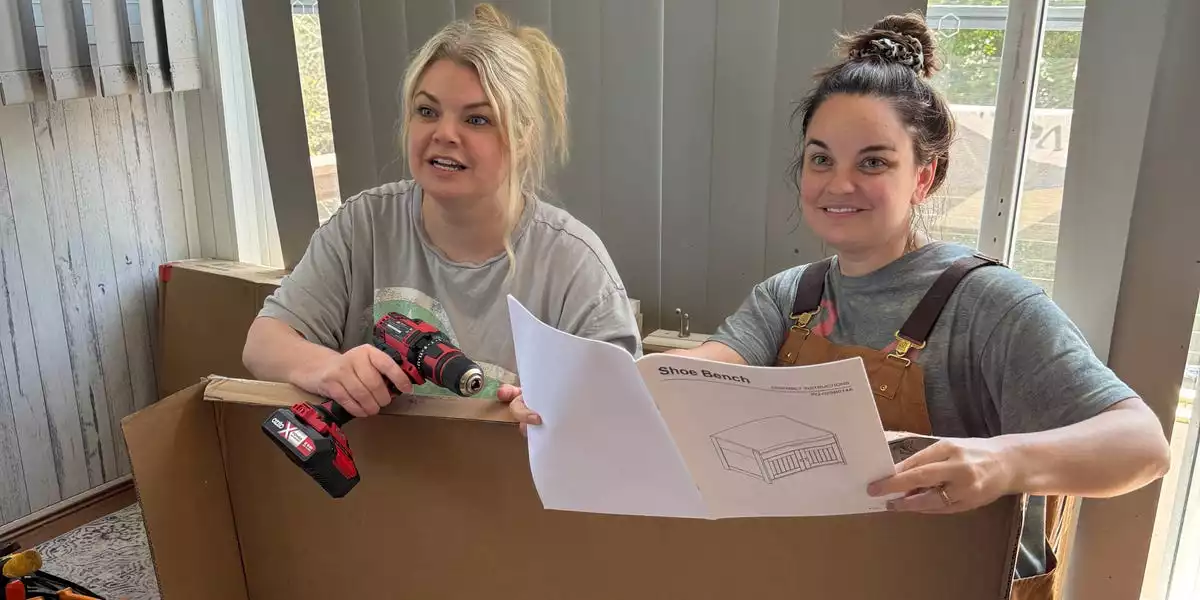
In a quiet living room somewhere in America, a family gathers not around a pile of gift-wrapped boxes, but around a blueprint for their next joint endeavor: repainting the kitchen, installing smart lighting, perhaps even tackling the unruly backyard. This “Project Home” initiative—where holiday time and resources are redirected from material gifts to shared home-improvement projects—may seem a modest rebellion against tradition. Yet, beneath its surface lies a profound shift in the architecture of consumer behavior, one that is rippling through the retail sector, labor markets, and the digital economy.
From Gift-Giving to Project-Doing: The New Holiday Ethos
The story of this family’s pivot away from conventional gift-giving is more than anecdotal. It is emblematic of a broader movement: the rise of minimalism, experiential spending, and the do-it-yourself (DIY) and do-it-together (DIT) ethos. These trends are not merely aesthetic or philosophical—they are reshaping the very mechanics of holiday demand.
- Experiential Over Material: Data from the U.S. Bureau of Economic Analysis reveals a decisive tilt: services spending is outpacing durable goods, with a 7.9% year-over-year increase compared to a modest 1.5% for goods. The “Project Home” approach offers a vivid microcosm of this shift. Holiday budgets, once earmarked for electronics or apparel, now flow into home-improvement supplies, tool rentals, and professional services.
- Inflation and Value Recalibration: As the average selling price of traditional gifts rises—thanks to persistent supply chain snarls and input-cost inflation—families are recalculating value. Sweat equity, skill-building, and property enhancement now rival the fleeting dopamine hit of unwrapping a new gadget.
- Labor Substitution and Prosumerization: The trend also signals a subtle but significant labor shift. Households are internalizing tasks once outsourced to contractors, compressing short-term revenue for small trades but sowing the seeds for future demand in advanced tools, rental equipment, and digital planning solutions.
Digital Platforms and Smart-Home Ecosystems: The New Infrastructure of Togetherness
This behavioral pivot is catalyzing a digital transformation across several fronts:
- Marketplace Momentum: Platforms such as TaskRabbit, Thumbtack, and Nextdoor are seeing a surge in micro-project postings, particularly as families seek expertise or coordination tools for their collaborative efforts. Enterprises invested in gig-economy infrastructure should anticipate heightened platform engagement, especially in the traditionally gift-heavy fourth quarter.
- Smart-Home Integration: Home-improvement projects often unearth latent demand for connected devices—think AI-powered security systems, smart thermostats, or sensor-laden gutters. Hardware vendors are seizing the moment, repositioning their products as enablers of family “upgrade days,” bundling IoT devices with collaborative installation support.
- Data-Driven Personalization: The digital exhaust from these new holiday rituals—shared calendars, home-task lists, deferred purchases—feeds AI engines hungry for actionable insights. Predictive maintenance, hyper-personalized promotions, and dynamic pricing models are all being recalibrated to reflect this seasonal reallocation of attention and spend.
Strategic Imperatives: Rethinking Retail, Platforms, and Workforce Engagement
For enterprises navigating this evolving landscape, the implications are both urgent and expansive:
- Retailers and OEMs: The opportunity lies in curating “project kits”—bundles of tools, digital guides, and community support—marketed not as mere products, but as catalysts for memorable family experiences. This reframing allows brands to capture a share of the experiential wallet, sidestepping the volatility of traditional gift categories.
- Platforms and Fintech: Trust and safety become paramount as families embark on episodic projects. Features like escrow services or micro-insurance can lower perceived risk and boost platform loyalty.
- HR and Employee Experience: Forward-thinking corporations are experimenting with paid “personal project days,” recognizing the productivity and mental health dividends of clearing the home-front backlog.
- Sustainability and Circular Economy: The non-material nature of project gifting aligns seamlessly with ESG imperatives. Tool libraries, upcycling partnerships, and circular-economy initiatives can amplify both impact and brand resonance.
Toward a New Holiday Economy: Opportunities and Risks on the Horizon
As collaborative home projects gain traction, the traditional holiday demand curve is flattening. Retailers must recalibrate inventory and logistics, anticipating a rebalancing toward Q1 home-improvement outlays. Meanwhile, SaaS innovators are eyeing the household as a new vertical, developing collaborative project-management apps that blend scheduling, Kanban boards, and even AR-based measuring tools.
Advertising, too, is undergoing a metamorphosis. The emotional center of gravity is shifting from the solitary act of unwrapping to the collective satisfaction of a job well done. Brands that can tell compelling “before-and-after” stories—capturing the arc of transformation—will command the highest engagement.
Finally, as families deepen their prosumer skill sets, demand for micro-credentialing and e-learning content is set to rise. EdTech providers and venture investors would do well to monitor this emergent market, where the boundaries between consumer and creator are increasingly porous.
The “Project Home” phenomenon, though rooted in a single family’s choice, signals a broader reimagining of holiday value—one that is as much about digital enablement and sustainability as it is about togetherness. For business leaders, technologists, and policymakers alike, the message is clear: the season of collaborative creation is here, and it is quietly rewriting the rules of engagement.

 By
By
 By
By
 By
By
 By
By
 By
By
 By
By

 By
By