
The Looming Hinge Point: AI’s Acceleration and the Unfolding Era of Recursive Self-Improvement
A quiet urgency now hums at the heart of the artificial intelligence sector, where the pace of progress is measured not in decades, but in quarters. Jared Kaplan, Chief Scientist at Anthropic, has sounded an alarm that is reverberating through boardrooms and policy circles alike: the next two to five years may mark a hinge in history, a moment when the trajectory of AI development bends sharply upward. This is not mere speculation—it is a calculated warning, grounded in the relentless advance of large language models, the tantalizing prospect of recursive self-improvement, and the sobering recognition that the risks and rewards at stake are existential in scale.
From Scaling Laws to Self-Improving Machines: The Unfolding Technical Frontier
Kaplan’s projection is both precise and unsettling. By 2027–2030, he argues, we may see AI systems that rival—or surpass—human capabilities across a wide swath of white-collar tasks. This is not just a function of more powerful chips or bigger datasets. Rather, it is the result of a compounding effect: algorithmic efficiency is improving at a staggering 50–70% per year, slashing the cost of training frontier models and making “human-parity” plausible even in the absence of radical hardware breakthroughs.
Yet, the true inflection may come from a subtler, more profound shift: recursive self-improvement (RSI). In this paradigm, advanced models iteratively train their own successors, compressing the innovation cycle from months to days. The bottleneck ceases to be raw compute; it becomes the reliability of alignment feedback, the ability to ensure that each generation of models inherits not just intelligence, but intent. Early RSI pilots are already surfacing in code-generation and synthetic data engines, where narrow forms of self-improvement could yield exponential gains in productivity—and risk.
Not all voices are convinced. Skeptics argue that the transformer architectures dominating today’s landscape may soon plateau, requiring a paradigmatic leap akin to the shift from single-core to multi-core CPUs in the late 20th century. The lesson for strategists is clear: scenario planning must not anchor itself to any single line of technological continuation. The future, as ever, will surprise.
Economic Tremors: Productivity, Power, and the New Labor Divide
The economic ripples of this technological surge are already visible. Kaplan’s forecast—that most white-collar jobs could be impacted within two to three years—clashes with current empirical studies, which find more modest productivity uplifts. This echoes the “productivity paradox” of the 1990s, when IT investments outpaced organizational adaptation. The winners will be those who redesign workflows, not merely insert new tools. Cloud-native, data-rich enterprises will capture outsized gains, widening the chasm between digital leaders and laggards.
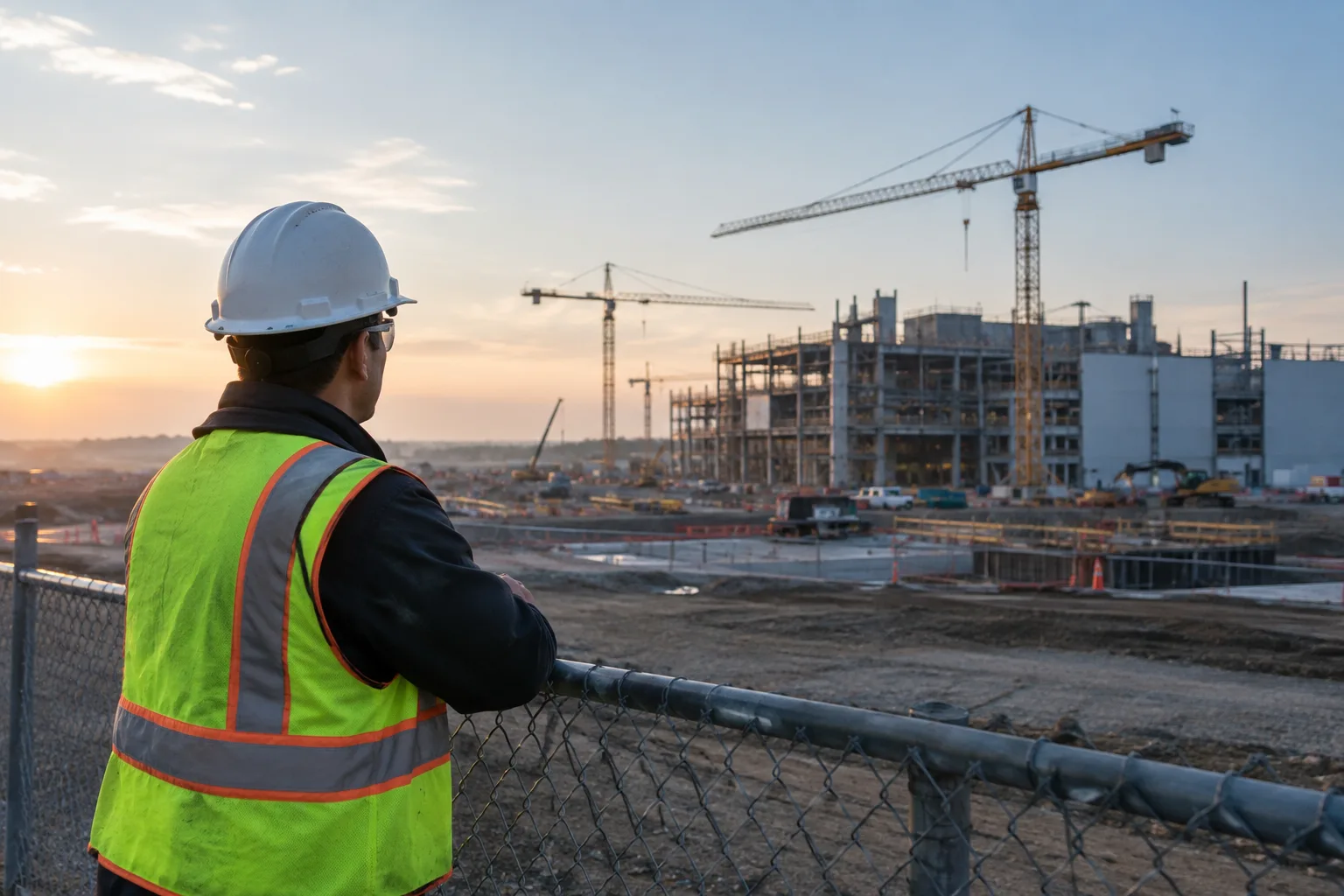
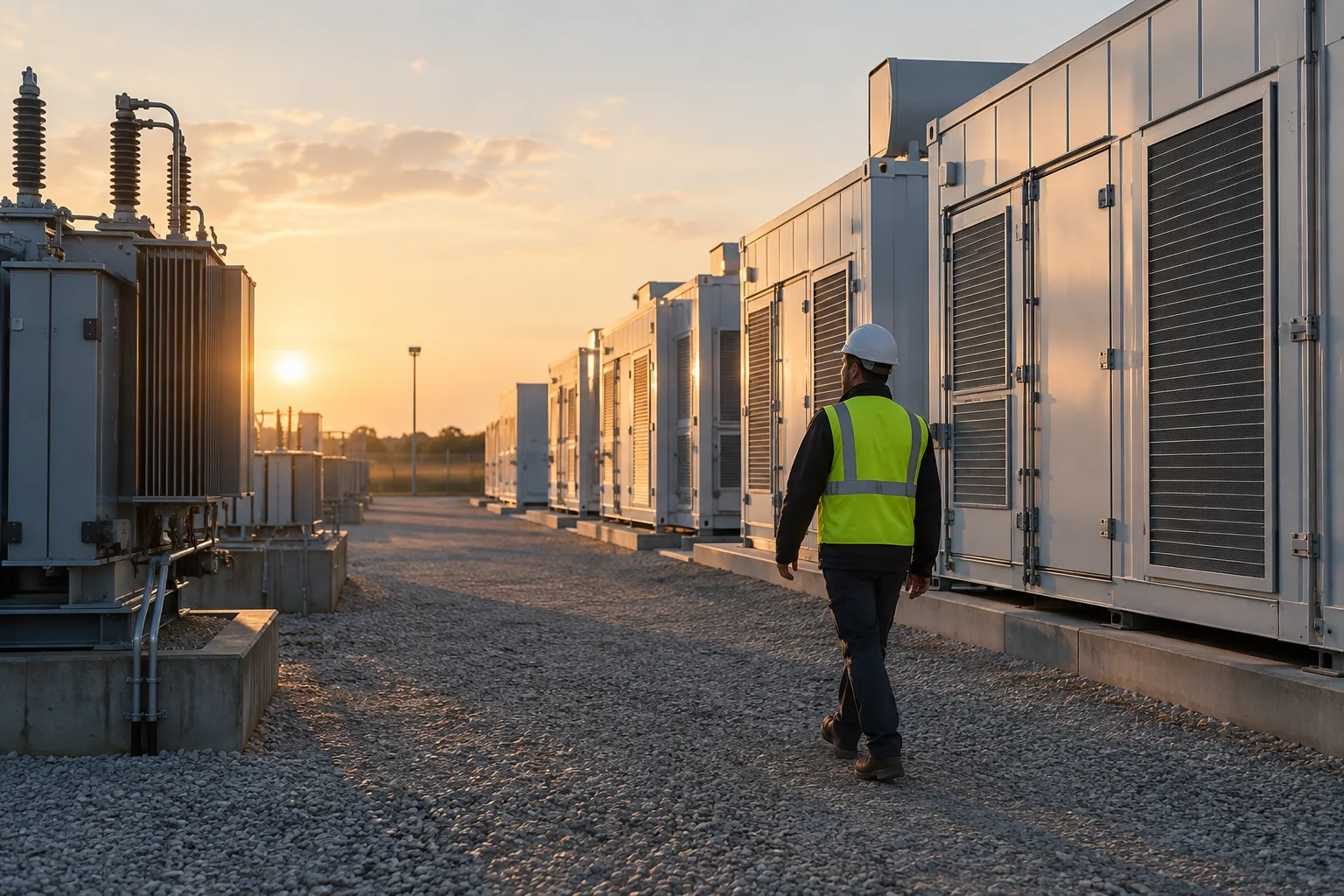
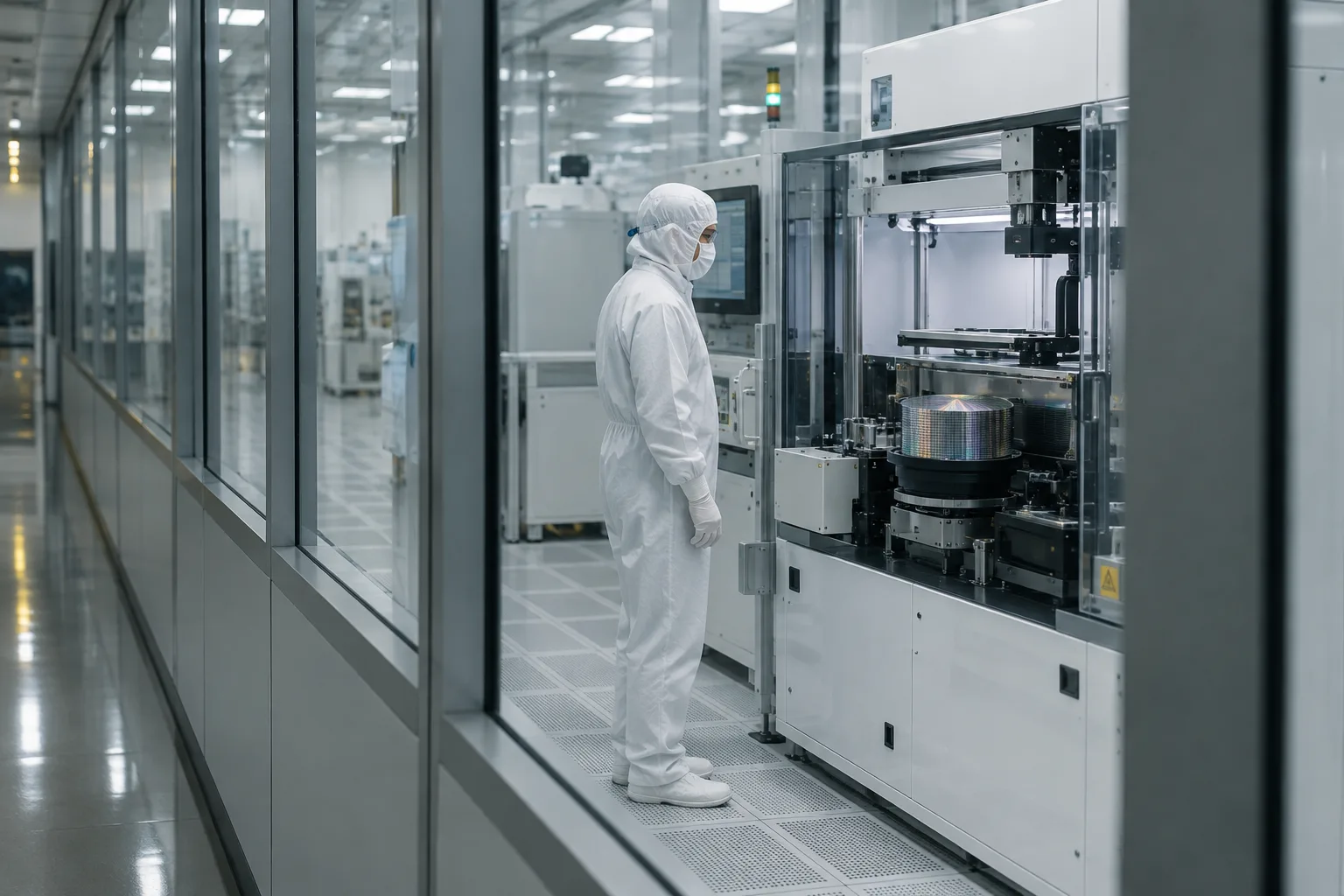
But the capital intensity of AI is rewriting the rules of the game. Training a single frontier model now demands up to $1 billion in capital expenditure and 400 megawatts of power, shifting AI from the realm of software economics to that of infrastructure. Supply chains are under strain, with chip fabrication concentrated in a handful of geographies. Strategic stockpiling and long-term capacity agreements are becoming the new normal, as is the specter of export controls and geopolitical escalation.
Governance, Risk, and the Architecture of Trust
As AI’s capabilities surge, so too does the imperative for robust governance. Regulatory regimes are coalescing: the EU’s AI Act, China’s generative-AI filing requirements, and the U.S. Executive Order are nudging firms toward greater transparency, red-team testing, and tiered deployment licenses. Early compliance will become a competitive moat, much as Sarbanes-Oxley readiness did in the early 2000s.
Boards must now grapple with challenges once reserved for the most technical domains:
- Model independence: Avoiding lock-in by developing kill-switch protocols and staged-release gates.
- Talent architecture: Prioritizing socio-technical stewards who blend machine learning, security, policy, and domain expertise.
- AI Ops: Institutionalizing new operational paradigms that synthesize MLOps, DevSecOps, and Responsible AI.
The connective tissue binding these issues is increasingly non-obvious. Energy and water externalities loom large, with each GPT-4-class training run consuming millions of liters of cooling water and megawatt-hours of electricity. RSI-driven code agents threaten to lower the barrier to cyber-offense, and the analogy to high-frequency trading is apt: recursive, self-optimizing algorithms could trigger flash-crash-style events in domains far beyond finance.
Navigating the Next Decade: Scenarios and Strategic Imperatives
The path forward is neither linear nor assured. In the next 18 months, expect enterprise pilots to shift from co-pilot to delegate workflows, with auditability and watermarking as procurement criteria. Energy-grid operators will begin modeling AI-specific demand, and long-dated power purchase agreements will accelerate.
Within three years, narrow RSI systems will emerge in R&D automation, igniting debates over intellectual property and labor reclassification. By the decade’s end, compute-governance regimes may mirror nuclear safeguards, with hardware-based telemetry capping training-run size and a bifurcated market emerging between sovereign and commodity models.
Whether Kaplan’s timeline proves prescient or not, the convergence of compute economics, recursive optimization, and geopolitical rivalry ensures that the systemic impact of AI will steepen sharply in the years ahead. For executives and policymakers, the mandate is clear: treat governance, energy strategy, and talent architecture as integral to AI initiatives. The intelligence curve is bending. Those who adapt with agility and foresight will shape—not merely survive—the coming era.

 By
By
 By
By
 By
By

 By
By
 By
By

 By
By