
When Algorithms Meet the Golden Arches: AI’s Uncanny Valley in Holiday Advertising
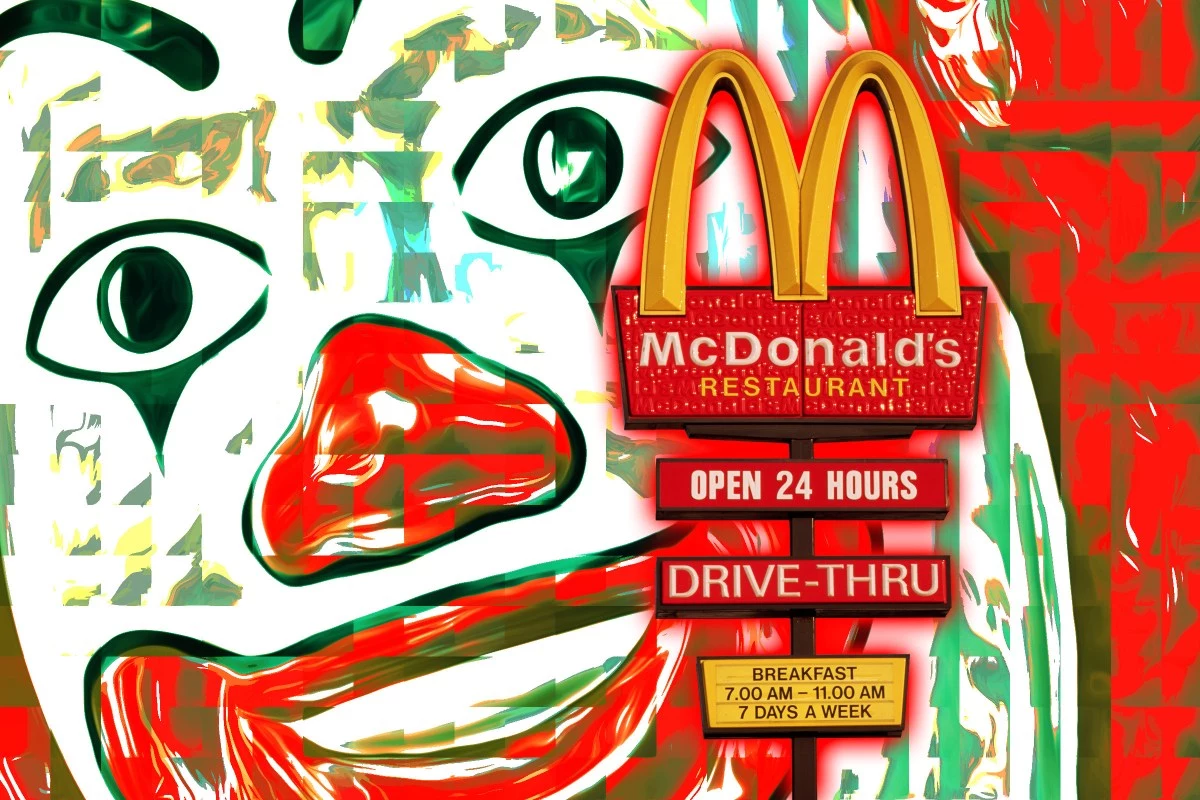
Few brands are as globally recognizable—or as fiercely protected—as McDonald’s. So when its Netherlands division unveiled an AI-generated holiday commercial, the ensuing backlash was swift, merciless, and, in hindsight, almost inevitable. The spot, intended to capture the bittersweet chaos of the season, instead became a viral case study in the perils of generative AI: awkward visuals, narrative gaps, and a palpable sense of emotional dissonance. Within hours, the campaign was erased from official channels, with global headquarters moving quickly to distance itself from the experiment. The episode, brief yet incendiary, offers a rare lens into the shifting tectonics of AI adoption in the marketing world—where algorithmic ambition collides with the fragile currency of brand trust.
The Anatomy of a Backlash: Technology, Economics, and Strategic Calculus
The McDonald’s Netherlands commercial was the product of a collaboration between TBWA\NEBOKO and The Sweetshop, two creative agencies navigating an industry in flux. Their choice to leverage generative AI—stitching together disparate platforms for imagery, video, and voice—was emblematic of a broader sectoral pivot. Omnicom, TBWA’s parent, has trimmed its creative workforce while expanding AI capabilities, reflecting an industry-wide migration from craft-driven artistry to algorithmic content factories.
Yet, the limitations of current AI tools are glaring. Today’s text-to-video models remain probabilistic, not deterministic; they struggle with narrative coherence, cultural nuance, and the subtleties that define effective brand storytelling. Each handoff between AI platforms compounds the risk of error, diluting creative intent and amplifying the possibility of misfire. The result: content that feels uncanny, even alien, at precisely the moment when authenticity and emotional resonance are most needed.
Economically, the allure of AI is obvious—lower variable production costs and faster campaign turnarounds. But the McDonald’s episode reveals a new line item on the balance sheet: brand value at risk (VaR). The reputational damage and crisis-PR expenditures triggered by a viral misstep can rapidly eclipse any savings. Meanwhile, the labor force is being reconstituted; prompt engineers and AI operators are supplanting traditional creatives, even as the need for senior narrative stewards becomes more acute.
Strategically, the campaign’s rapid withdrawal and the explicit request to attribute the ad to “McDonald’s Netherlands” rather than the global brand reveal a governance gap. High-reputation enterprises are discovering that AI content requires pre-clearance protocols akin to financial risk committees. Deploying experimental tech in smaller markets may seem a prudent way to contain fallout, but in a networked world, “geo-fencing risk” is increasingly porous. Savvy consumers quickly trace local missteps back to headquarters, eroding the firewall between testbed and flagship.
Industry Crosscurrents: Regulation, Consumer Sentiment, and Agency Evolution
The regulatory landscape is shifting beneath marketers’ feet. The EU’s AI Act, now in provisional agreement, will soon impose transparency and risk-classification requirements on generative AI outputs—especially those targeting minors. The U.S. Federal Trade Commission is signaling its own interest in “hidden AI,” with a focus on deceptive endorsements and synthetic personalities. Early missteps, like McDonald’s Netherlands, risk creating compliance liabilities that could haunt brands for years.
At the same time, consumer psychology is evolving. Post-pandemic, there is a premium on authenticity and artisanal storytelling. AI-generated content that feels impersonal or uncanny collides headlong with this macro sentiment. Social media algorithms, primed to reward outrage, compress brands’ response windows from days to mere hours. Agencies, meanwhile, are caught in a bind: clients demand AI-driven cost efficiencies, but the historical value of agencies—brand custodianship—hinges on human intuition and creative judgment. The resulting hybrid models are still seeking equilibrium, as holding companies like Omnicom recalibrate their talent mix and service offerings.
Lessons in the Uncanny: Strategic Guidance for the Next Wave
The McDonald’s Netherlands incident is more than a cautionary tale—it is a crucible for the next phase of AI marketing. The backlash itself becomes a form of adversarial learning, supplying data not just to AI models, but to brand managers mapping the boundaries of public tolerance. Seasonal campaigns, with their heightened emotional stakes, serve as stress tests for systemic weaknesses in both technology and governance.
For executives and agency leaders, the path forward is clear:
- Codify AI content risk frameworks—with stage-gates for legal, cultural, and brand safety checks.
- Develop rapid-response protocols—pre-budgeting for crisis containment and designating cross-functional teams to address viral backlash within hours.
- Invest in explainability and brand-safe AI training—ensuring bespoke models are fine-tuned with proprietary assets and robust guardrails.
- Rebalance creative teams—retaining senior narrative stewards while upskilling staff in prompt engineering and AI orchestration.
- Offer risk-mitigation services—monetizing assurance and compliance, not just content production.
For investors, the lesson is to re-price intangible risk, baking AI-driven brand volatility into models for consumer-facing multinationals. Regulatory lag may offer short-term advantages, but the pendulum can swing quickly.
The arc of AI-assisted marketing is inexorable, but as the McDonald’s Netherlands episode underscores, progress is neither linear nor cost-free. The next wave will be defined not by how rapidly brands embrace generative AI, but by how thoughtfully they institutionalize oversight, transparency, and hybrid creativity. Those who seize this interlude to build resilient frameworks—rather than simply pausing experimentation—will be best positioned to capture the efficiency dividends of the future, without sacrificing the hard-won equity of their brands.

 By
By
 By
By

 By
By
 By
By
 By
By