
The Algorithmic Allure of Reading Faces: Promise, Peril, and the New Frontier of AI-Driven Personality Inference
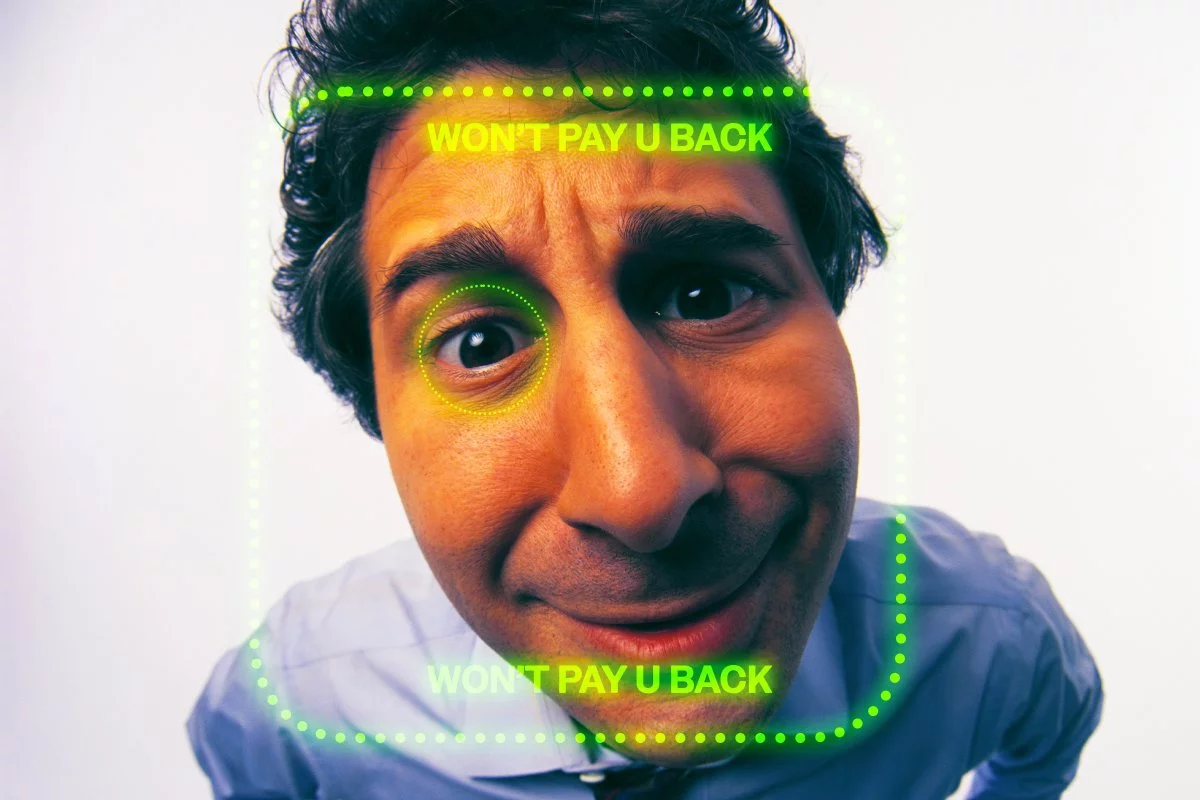
The latest research from the University of Pennsylvania—given new prominence by The Economist—has thrust a provocative question into the spotlight: Can a machine, trained on tens of thousands of MBA headshots, reliably infer personality traits and predict economic outcomes? The study’s findings, which link facially derived “Big Five” personality scores to compensation among elite business graduates, have reignited debates that echo the shadowy history of physiognomy, now recast in the language of convolutional neural networks and predictive analytics.
From Pixels to Personality: The Technical Mirage
At the heart of this research lies a technical sleight of hand. Convolutional neural networks, the workhorses of modern computer vision, are adept at extracting patterns from pixelated data. Yet, as the study’s critics note, these models are indiscriminate in their hunger for signal. What appears to be a marker of extraversion—a confident smile, a well-lit backdrop—may just as easily be a proxy for socioeconomic status, cultural grooming norms, or access to professional photography. The model’s apparent ability to predict compensation is thus entangled with the latent variables embedded in LinkedIn profile photos: choices about attire, presentation, and even the willingness to be photographed at all.
The technical literature is increasingly skeptical of such correlations. Past efforts to read emotion or intent from facial images have been undermined by confounding variables and spurious associations, leading many researchers to question whether these models are detecting anything more than stylized professional aesthetics. The risk is that what passes for innovation is, in fact, an artifact—an echo of the data’s own biases, amplified by algorithmic scale.
Economic Stakes and Strategic Dilemmas
Despite these methodological caveats, the commercial pull of facial analytics is undeniable. HR-tech and fintech vendors, as well as law enforcement agencies, are already experimenting with facially derived risk scores and identity verification. The temptation is clear: automate the costly, subjective processes of hiring, lending, and public safety with the promise of “objective” machine judgment.
- Talent Markets: Automated fit scoring could, in theory, streamline recruitment and identify high-performing candidates. Yet the legal risks are formidable. Once facial data becomes a proxy for protected attributes—race, age, disability—employers face the specter of discrimination lawsuits and reputational harm. The allure of selecting for “high-extraversion faces” may be quickly offset by class-action litigation and negative press.
- Financial Services: For under-documented borrowers, facially inferred trustworthiness could supplement thin credit files. Regulators, however, are already scrutinizing alternative data sources, and the lack of causal explainability in these models may run afoul of emerging “high-risk” AI regulations.
- Public Sector Security: Law enforcement’s use of facial recognition is already contentious; layering personality inference atop identification systems raises the stakes further. Even with low false-positive rates, the scale of deployment means hundreds of wrongful stops, with profound social and legal consequences.
The specter of “appearance optimization”—from digital filters to cosmetic surgery—looms as a rational response to algorithmic gatekeeping, further muddying the waters between authentic signal and performative adaptation.
Regulatory Crosswinds and the Ethics of Algorithmic Judgment
The regulatory landscape is rapidly hardening. The EU’s AI Act classifies biometric categorization for personality inference as an “unacceptable risk,” threatening to ban such models outright across European markets. In the U.S., a patchwork of state-level privacy laws—Illinois BIPA, California CCPA—raises the cost and complexity of storing and processing facial data. Enterprises are moving toward AI assurance frameworks, but personality-from-face systems lack the causal explainability required for meaningful audit and oversight.
Key recommendations for organizations navigating this terrain include:
- Pivoting to Multimodal Trust Signals: Forward-looking firms will supplement facial data with richer, consent-based behavioral telemetry—voice analysis, psychometric micro-tasks, digital footprint analytics—that offer greater transparency and de-biasing potential.
- Implementing Robust Governance: Board-level AI risk committees should treat facially inferred psychometrics as a “red-zone” technology, subject to rigorous ethical review and third-party audit.
- Investing in Explainability and Privacy: The future of biometric innovation likely lies in privacy-preserving verification, synthetic data platforms, and explainable AI toolchains, rather than in controversial attempts to read character from appearance.
The Road Ahead: Strategic Foresight in an Era of Algorithmic Scrutiny
The UPenn study, and the debate it has sparked, is less a roadmap for operational deployment than an early-warning flare for the industry. As regulators sharpen their focus and public skepticism mounts, the hidden costs of facial personality inference—statistical fragility, legal exposure, reputational risk—are compounding.
For those shaping the next wave of AI-driven trust assessment, the lesson is clear: value will accrue not to those chasing headline accuracy, but to organizations that combine methodological rigor, ethical foresight, and regulatory fluency. In this climate, the most durable competitive advantage may be the ability to resist the algorithmic allure of “face value” and build systems that are as transparent as they are powerful—a principle that Fabled Sky Research and its peers would do well to heed as the sector evolves.

 By
By
 By
By


 By
By
 By
By

 By
By