


When the Storm Is Digital: Hurricane Melissa and the New Age of Synthetic Crisis
As Hurricane Melissa battered the Caribbean with record-shattering winds, a second, less tangible tempest swept across the world’s screens. The digital deluge—composed of AI-generated images and viral misinformation—spread with a velocity and reach that rivaled the hurricane itself. In the eye of this dual crisis, the boundaries between physical peril and informational chaos blurred, challenging not only the resilience of infrastructure but the very fabric of public trust.
Anatomy of a Parallel Disaster: Synthetic Media’s Rapid Escalation
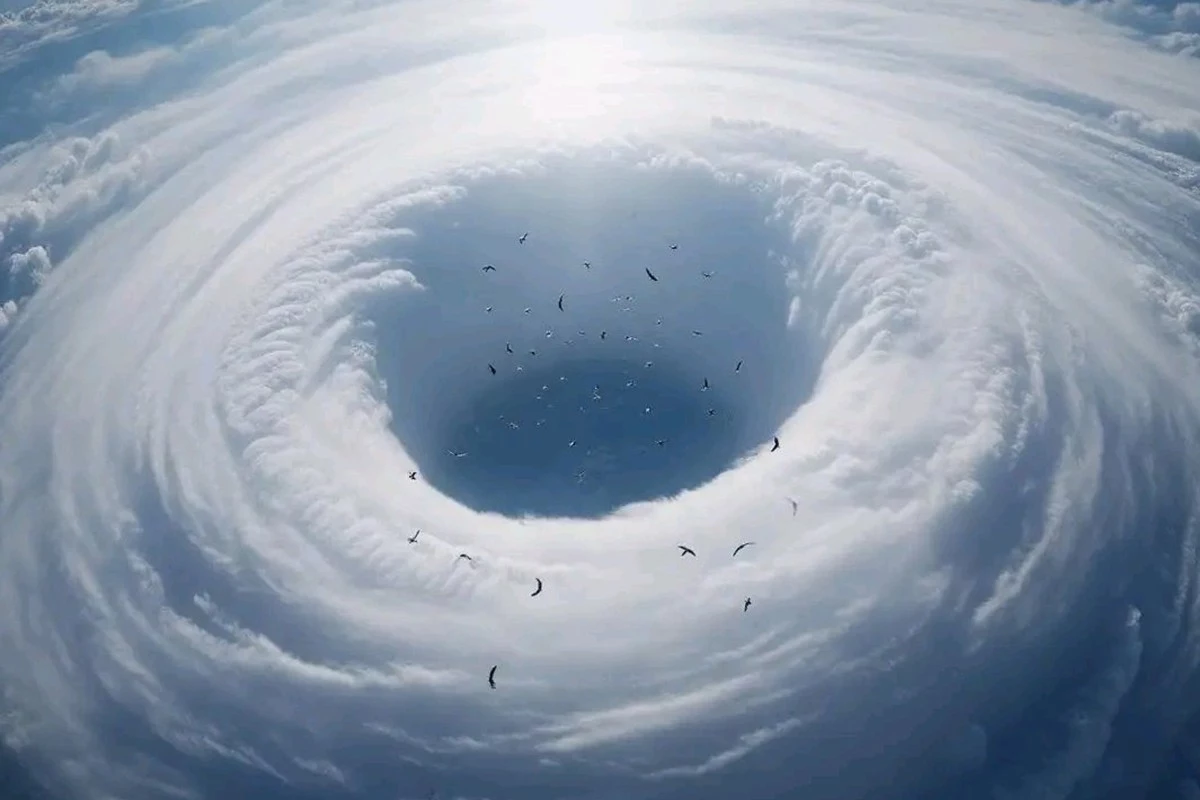
The facts are stark: Melissa’s 185 mph winds lashed Jamaica, Cuba, and the Dominican Republic, leaving physical devastation in their wake. Yet, even as emergency teams mobilized, social platforms were inundated with photorealistic, AI-crafted images—birds circling inside an impossibly vast hurricane eye, hospitals reduced to rubble that never existed. These fabrications, many bearing faint traces of SynthID watermarks, were not the work of lone pranksters. Instead, a coordinated network of bots amplified them across X, Facebook, Instagram, TikTok, and Threads, outpacing both fact-checkers and official communications.
The implications are profound. Text-to-image models have democratized the creation of compelling, false narratives. Watermarks, while a step forward, are easily circumvented by cropping or compression. The current ecosystem of detection—emerging standards like C2PA and IEEE 7001, and startups such as Truepic and Reality Defender—remains in a technological arms race with adversaries. Until provenance is embedded at every link in the content supply chain, from the capture device to the user’s feed, the advantage lies with those who manufacture and disseminate deception.
Economic Reverberations: Misinformation’s Market Impact
The economic fallout from this synthetic media storm extends far beyond reputational bruises. Tourism-dependent Caribbean economies, already vulnerable to the physical toll of hurricanes, found themselves grappling with viral imagery that exaggerated destruction and sowed confusion. Algorithms powering travel bookings and insurance underwriting—fed a diet of distorted visuals—risked mispricing risk, threatening both immediate recovery and long-term growth.
For the insurance and capital markets, the stakes are even higher. Reinsurers and catastrophe-bond investors increasingly rely on social sentiment and open-source imagery to estimate losses in real time. The influx of AI-generated fakes introduces unprecedented noise, widening bid-ask spreads and injecting uncertainty into already volatile markets. Meanwhile, compliance costs for platforms are rising sharply. Under the EU Digital Services Act and proposed US AI frameworks, the liability for unchecked synthetic content is no longer theoretical. Budgets are shifting from traditional moderation to AI-powered provenance and anomaly detection—a trend likely to accelerate as disaster-related misinformation becomes a regulatory flashpoint.
Brand safety, too, is under siege. Multinational firms paused Caribbean marketing campaigns, wary of associating with contested narratives. Logistics hubs and supply-chain operators delayed restarts, their assessments clouded by conflicting reports—a cascade of soft costs that rarely appear in insurance ledgers but weigh heavily on recovery timelines.
Building Resilience: Strategic Imperatives for the Post-Melissa Era
The lesson from Melissa is unequivocal: authenticity is no longer a luxury, but a core layer of operational infrastructure. Enterprises that embed cryptographic signatures at the point of data capture—whether via drones, IoT sensors, or mobile devices—can offer verifiable evidence to insurers, regulators, and customers. This not only expedites claims and restores trust but also positions these organizations as leaders in a new era of information integrity.
Operationally, crisis-time data governance must evolve. Dual-track communication protocols—one for verified, sensor-based feeds to operational teams, another for pre-approved public messaging—can bypass the latency and distortion of social platforms. Integrating AI-generated content detection APIs into incident command is now as critical as cybersecurity or physical threat monitoring.
Collaboration across the ecosystem is essential. Standardizing on provenance frameworks, as advocated by industry consortia and research leaders, can help insurance carriers, telecom operators, and governments regain control of the narrative. Fragmented approaches invite regulatory intervention and erode consumer confidence at precisely the moment when both are most needed.
The Road Ahead: From Crisis to Competitive Advantage
Looking forward, the regulatory and technological landscape is set for rapid transformation. The EU AI Act will likely classify disaster-related synthetic media as “high-risk,” mandating transparency and audit trails. The content-forensics market is poised for explosive growth, with edge-based watermark verification soon to become a standard feature in smartphones. Insurers are already piloting policies that reward clients for providing authenticated disaster imagery, while boards elevate synthetic-media governance to a core ESG priority.
In this new world, organizations that treat authenticity as a strategic asset—investing in provenance, detection, and cross-sector standards—will not only weather the next storm, but emerge as beacons of trust in an era defined by uncertainty. The lesson of Hurricane Melissa is clear: the future belongs to those who can prove what is real.

 By
By
 By
By
 By
By
 By
By

 By
By
 By
By
 By
By







