
Apocalyptic Rhetoric Meets the Commanding Heights of Tech Capital
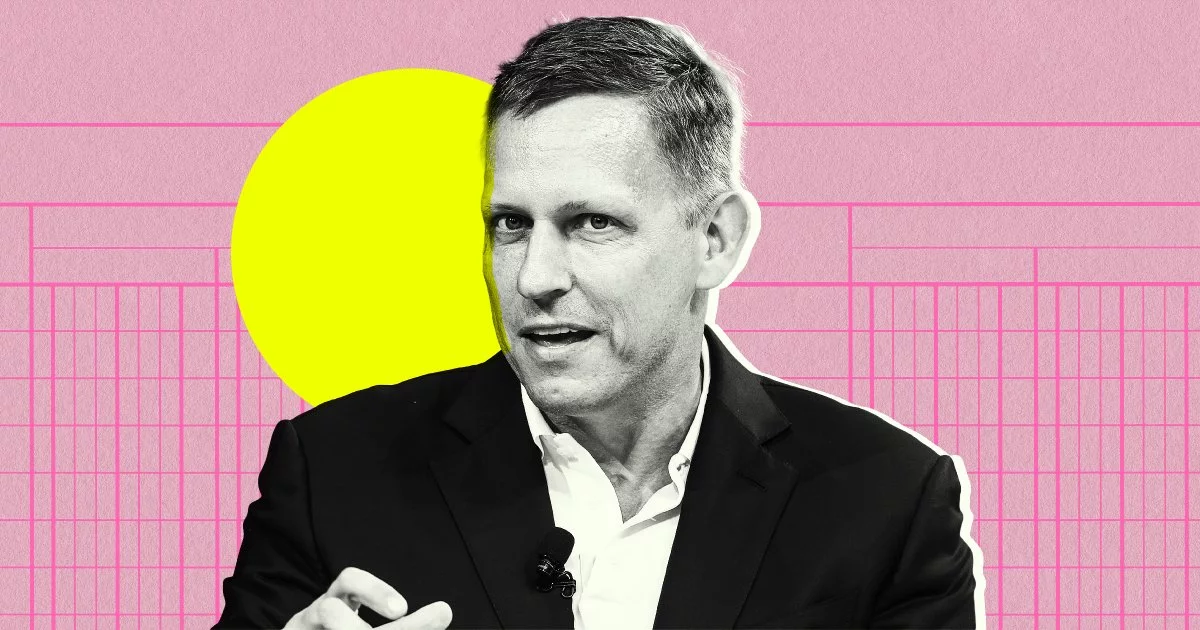
Peter Thiel, a figure whose influence radiates across Silicon Valley and Washington alike, has never shied from provocation. Yet the recent leak of his apocalyptic lecture—where the specter of the Antichrist is invoked not as metaphor but as imminent threat—marks a new inflection point. This is not simply the eccentric musing of a billionaire; it is a collision of religious prophecy, political ambition, and the vast machinery of defense technology. The episode spotlights a profound paradox at the heart of the modern tech-industrial complex: the same platforms built to safeguard liberal democracies can, in the wrong hands or under the wrong ideology, become the very instruments of dystopia.
The Dual-Use Dilemma: When Faith, Capital, and Code Collide
Thiel’s investments in surveillance and defense—Palantir, Anduril, and beyond—have long been justified as bulwarks against chaos. But the architecture of these systems, designed for centralized command and real-time data fusion, is agnostic to the intent of their operators. The “dual-use” dilemma is no longer academic: the infrastructure that promises security can just as easily facilitate control, especially when steered by concentrated, charismatic capital.
- AI and Tech Eschatology: As generative AI moves from the lab to deployment, public discourse is increasingly colored by extreme narratives. Thiel’s rhetoric risks mainstreaming a kind of “tech eschatology”—the belief that technology is both salvation and existential threat—which could destabilize regulatory debates. Policymakers, spooked by apocalyptic framings, may lurch from permissiveness to overcorrection, stifling innovation just as the stakes for global leadership in AI intensify.
- Founder Influence and Governance: The modern tech ecosystem still orbits around outsized personalities with disproportionate voting power. When those personalities espouse radical or idiosyncratic beliefs, the line between personal conviction and corporate strategy blurs. The risk is not merely reputational; it is systemic, as product roadmaps and capital allocations become extensions of individual worldviews.
Capital Markets, Talent, and the Fracturing of Tech’s Social Contract
The economic reverberations of Thiel’s remarks are already being felt. Defense-tech valuations, buoyed by the “digital arsenal” thesis, now face a potential discount as ESG-oriented investors reconsider exposure to firms perceived as ideologically volatile. Institutional allocators—pension funds, endowments, sovereign wealth—are sharpening their scrutiny, embedding “mission integrity” and worldview risk into their due diligence. The result may be a drift toward passive or broad-index vehicles, draining liquidity from the very companies that have defined the sector.
- Talent Market Sensitivity: The global race for AI and machine learning expertise is unforgiving. Elite researchers and engineers increasingly weigh not just compensation, but the ethical and intellectual climate of their prospective employers. Highly publicized apocalyptic rhetoric risks alienating this critical talent pool, just as the labor market tightens around frontier-model development.
- Political and Regulatory Fallout: Thiel’s influence in New-Right circles has accelerated state-level policy experiments, from crypto havens to school-choice vouchers. Yet overtly eschatological rhetoric could fracture the coalition that has shielded defense-tech from bipartisan scrutiny. Defense buyers—especially those in the US-EU and Five-Eyes frameworks—prize predictability. Incendiary religious framing complicates export licenses, CFIUS reviews, and procurement cycles, inviting greater governance scrutiny from proxy-advisory firms and regulators alike.
Strategic Imperatives for the Next Era of Tech Governance
For executives and boards, the Thiel controversy is a clarion call to action. The lesson is not merely about reputational risk, but about the architecture of decision-making itself. To navigate this new landscape:
- Build Ideology-Resilient Structures: Decouple critical product and investment decisions from any single individual. This means stronger committees, independent ethics boards, and documented kill-switch protocols.
- Integrate Narrative Governance: Systematically scan for ideological outlier risk among founders and major investors. Embed this into enterprise risk alongside cyber and supply-chain threats.
- Stress-Test Capital Models: Assume higher cost of capital for firms flagged as ideologically volatile. Update valuation models to reflect potential ESG-driven capital flight.
- Proactive Regulator Engagement: Anticipate compliance demands by briefing oversight bodies on safeguards against misuse of AI and surveillance capabilities.
- Talent Assurance: Reassure high-skill candidates by embedding “values pause” checkpoints in recruitment and onboarding.
Industry observers should monitor for shifts in procurement language around “ethical assurance,” amendments in LP agreements referencing “headline risk,” and volatility in defense-tech stocks following ESG fund exclusions. Early drafts of the EU AI Act already hint at regulatory frameworks designed to address “charismatic-actor concentration risk”—a signal that the age of founder exceptionalism is entering a new, more scrutinized phase.
The Thiel episode is a microcosm of a larger transformation: as private capital, ideology, and dual-use technology become ever more entwined, the stakes for governance, trust, and accountability rise. Firms that internalize this lesson—embedding resilient structures and transparent ethical guardrails—will not only weather the storm, but shape the next chapter of the digital age.
 By
By
 By
By
 By
By


 By
By

 By
By