
Cinematic Realism at the Speed of Thought: Veo 3.1 and the New Grammar of AI Video
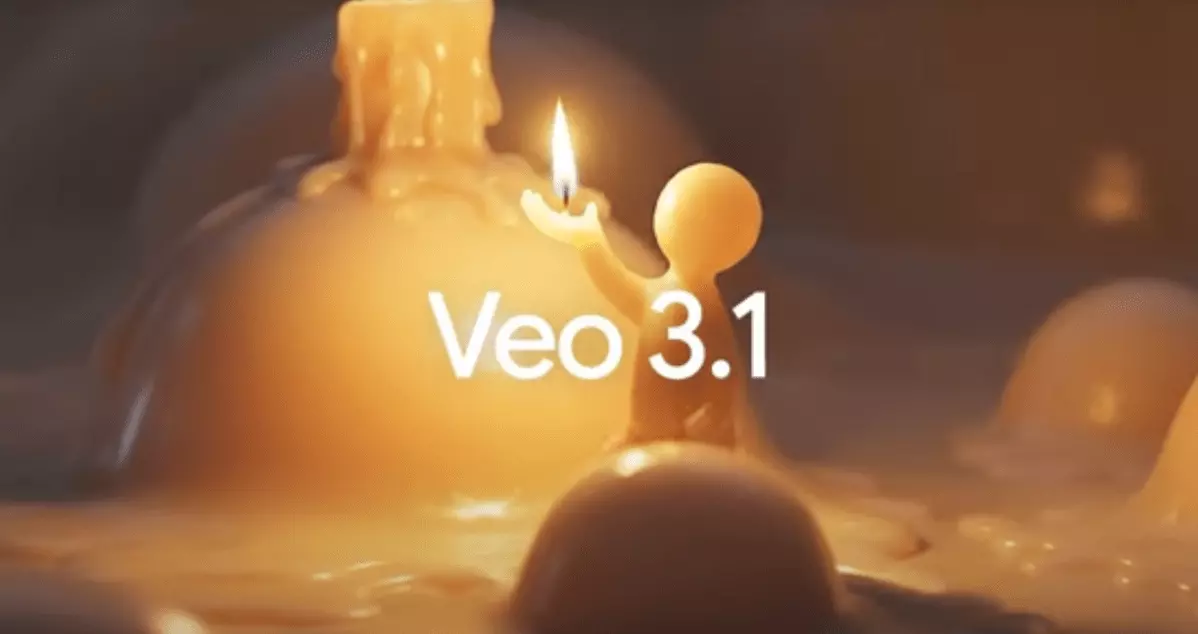
The release of Google’s Veo 3.1 for the Flow AI-filmmaking suite signals a profound inflection point in the evolution of generative media. Once, the chasm between algorithmic video and the touch of a seasoned cinematographer was measured in uncanny shadows, awkward lighting, and the absence of atmosphere. With Veo 3.1, that gap is closing—fast. This update doesn’t just polish pixels; it redraws the boundaries of what is possible, collapsing the creative process into a single, fluid act of prompt-driven imagination.
Precision in Pixels: Lighting, Shadows, and the Art of Control
At the core of Veo 3.1’s leap forward is a suite of photorealistic controls that grant creators real-time mastery over the subtleties of light and shadow. Historically, these elements have been the Achilles’ heel of AI video—too often, scenes felt flat, their physicality unconvincing. Now, with granular manipulation of illumination and occlusion, Flow users can sculpt mood and depth with unprecedented fidelity. The effect is more than cosmetic; it is a step toward cinematic plausibility, the kind that can fool not just the eye, but the narrative sense.
Scene Extension, another headline feature, allows for up to 60 seconds of seamless, automatically generated continuation. This is not merely a technical flourish—it is a new grammar for visual storytelling. Directors can now iterate, remix, and expand worlds without the logistical drag of reshoots or the expense of additional crews. The promise of evergreen, modular narratives is suddenly real, and the economics of content creation are being rewritten.
The Fusion of Senses: Audio-Visual Synthesis and Editable Latent Spaces
Veo 3.1’s “Ingredients to Video” and “Frames to Video” modes collapse what was once a triptych—storyboarding, animation, and sound design—into a single, generative workflow. By fusing multi-image prompts with auto-generated soundtracks, Flow doesn’t just generate video; it orchestrates experiences. This is made possible by the productization of Google’s research in AudioLM and SoundStorm, which jointly model sound and image for temporal coherence. The result is a leap from mere video generation to “experience generation”—a domain where the boundaries between senses blur, and storytelling becomes immersive by default.
Perhaps most transformative is Flow’s exposure of editable latent spaces. Rather than locking creators into the finality of rendered pixels, Veo 3.1 empowers them to fine-tune local attributes—lighting, shadows, soon even object removal—without the computational cost of a full re-render. This is the moving-image equivalent of non-destructive RAW editing in photography, and it signals a future where creative iteration is as fluid as thought.
Cloud Economics, Platform Lock-In, and the Race for Creative Dominance
Beneath the surface, Veo 3.1’s technical sophistication is matched by its economic and strategic implications. The model’s appetite for high-resolution, multi-modal data and its demand for GPU memory and bandwidth mean that only hyperscale cloud providers—armed with custom accelerators like Google’s TPUs—can deliver real-time cinematic rendering at scale. This is not just a technical moat; it is a flywheel for cloud utilization, with creative assets, prompt libraries, and fine-tuned models accumulating inside the Gemini ecosystem.
The distribution strategy—offering Veo 3.1 via the Gemini API and consumer app at the same price as its predecessor—reflects a dual-pronged approach. On one hand, it seeds a broader creator base, refining reinforcement learning feedback loops. On the other, it cements platform lock-in, as switching costs rise with every asset and workflow embedded in Google’s stack. Expect a consumption-based pricing model to follow, echoing the logic of GPT tokens and further aligning cloud economics with creative demand.
Authenticity, Brand Safety, and the New Playbook for Creative Enterprises
As AI-generated video approaches industrial utility, the conversation shifts from “can we” to “how should we.” The questions of authenticity, IP governance, and provenance are no longer academic. With regulators circling—whether the EU’s systemic-model tier or US content-authenticity mandates—embedding cryptographic provenance tags at the point of generation is now both compliance and brand insurance. Google’s alignment with the C2PA standard is a nod to this new reality, especially in the context of YouTube’s vast advertiser ecosystem.
For creative enterprises, the implications are stark:
- Workforce transformation is imperative; prompt engineering and multi-modal QA are now core creative skills.
- Cloud FinOps must evolve, as video token inflation can quietly double AI bills compared to text-only workloads.
- Portfolio risk for traditional VFX studios and stock-footage libraries is acute—modeling for 30% revenue displacement within two years is prudent, with pivots to asset-curation marketplaces a logical hedge.
- Scenario planning for misinformation and deepfake crises is no longer optional; the marginal cost of high-quality synthetic video has plummeted.
Veo 3.1 does not merely advance the state of the art—it resets the terms of engagement for the entire creative economy. The strategic imperative is clear: integrate generative filmmaking tools into secure, provenance-rich, and cost-managed workflows, or risk irrelevance as the pace of authentic, AI-driven expression accelerates. The creative bar is rising, and in this new era, speed, authenticity, and adaptability are the currencies of competitive advantage.
 By
By
 By
By
 By
By

 By
By
 By
By