
The Fragility of Influence: When Personal Health Becomes Corporate Risk
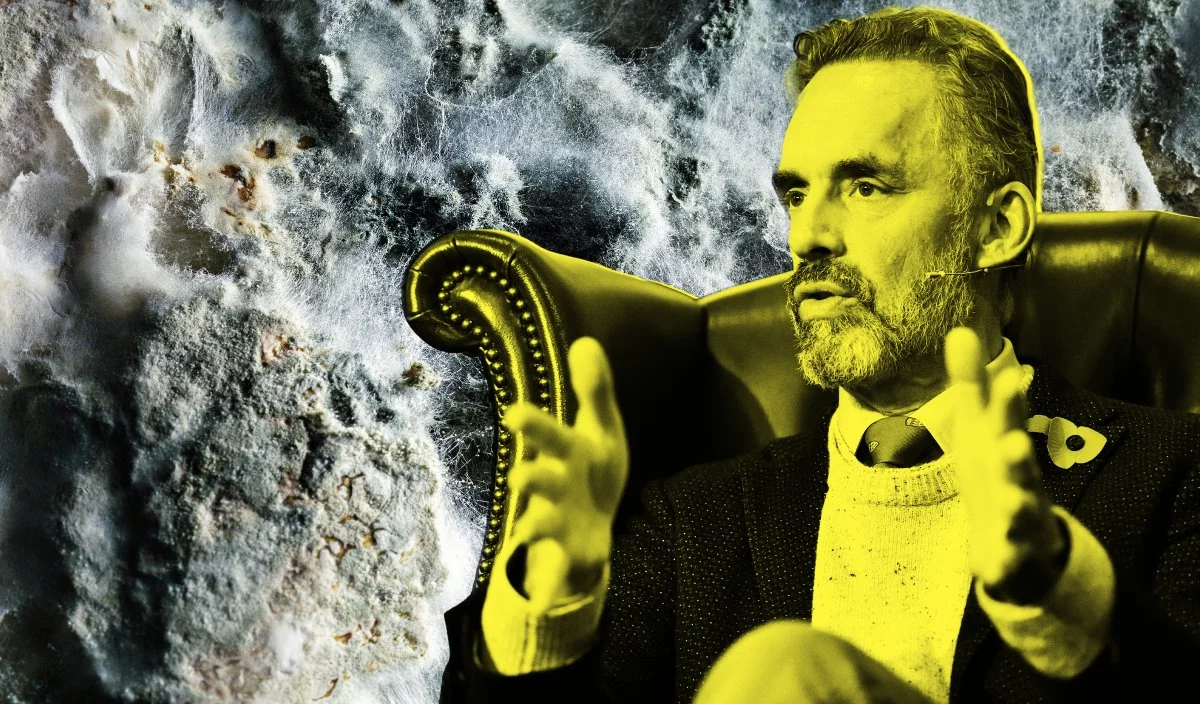
Jordan Peterson’s recent hospitalization—an episode marked by pneumonia, polyneuropathy, and a flare-up of chronic inflammatory response syndrome—has reverberated far beyond the realm of personal health. For much of September, Peterson, the psychologist-turned-media phenomenon, has been confined to an ICU, his family’s updates weaving together physiological and “spiritual” dimensions of the crisis. This is not merely a story of individual adversity, but a vivid illustration of how the wellness of a single, charismatic figure can ripple through the intricate machinery of modern digital enterprise.
Peterson’s journey, from his notorious 2020 benzodiazepine detox in Russia to his continued all-meat “carnivore” diet, has been as public as it is polarizing. The uncertainty surrounding his recovery timeline has left a vacuum—one that is being filled, in real time, by social media narratives and fervent audience engagement. For the businesses and platforms that orbit such personalities, the implications are as sobering as they are instructive.
The Economics of Vulnerability: Monetized Health and the Key-Person Dilemma
Peterson’s brand is not just an academic’s platform; it is a multi-channel enterprise spanning podcasts, Substack newsletters, YouTube broadcasts, and exclusive partnerships with media outlets. The abrupt threat to his presence exposes a central paradox of the influencer economy: the greater the dependence on a singular persona, the greater the exposure to existential risk. Seven-figure revenue streams can evaporate overnight when the linchpin falters.
This is not unique to Peterson. From tech founders to category-defining creators, the specter of key-person risk looms large. The lesson for executives is clear:
- Continuity planning is non-negotiable: Redundancy models—guest hosts, serialized intellectual property, and AI-generated archival materials—must be institutionalized.
- IP diversification and insurance: Robust D&O insurance and key-creator insurance pools can buffer against the financial whiplash of prolonged incapacity.
- Dynamic sponsorship contracts: Brand partners, particularly those engaging with polarizing figures, should implement material-adverse-event clauses to mitigate reputational blowback.
Meanwhile, the public framing of Peterson’s health—infused with spiritual overtones and amplified through personal channels—transforms crisis into content. In the crowded “bio-optimization” and wellness arena, such narratives drive engagement metrics and, paradoxically, revenue. Yet, this monetization of adversity demands a delicate ethical calculus from both platforms and sponsors.
The Self-Directed Protocol Economy: Technology, Anecdote, and Regulatory Tensions
Peterson’s health saga also spotlights the rise of the “self-directed protocol” economy. The proliferation of wearables, continuous-glucose monitors, and diet tribes—keto, carnivore, ancestral—has fostered a movement that is data-adjacent but often light on clinical oversight. Peterson’s own adherence to a carnivore diet, now shadowed by unresolved neuropathy, serves as a cautionary tale: anecdotal evidence, no matter how compelling, cannot supplant rigorous, peer-reviewed validation.
For digital-health startups and investors, this landscape is both opportunity and minefield:
- Community influence vs. clinical validation: The gap between what digital communities advocate and what medical science endorses is a regulatory flashpoint. The tightening of FDA and EU MDR oversight on consumer biohacking tools signals a coming reckoning.
- Medical tourism and bespoke protocols: Peterson’s 2020 Russian detox underscored the willingness of affluent patients to seek out alternative, often experimental, treatments. As global medical-tourism revenues soar past $70 billion, niche, high-acuity cases represent a lucrative but under-captured segment for traditional health systems.
Strategic Imperatives: From Corporate Wellness to Algorithmic Risk
The Peterson episode casts a harsh light on the broader responsibilities of employers, platforms, and healthcare systems. The rising prevalence of chronic, under-diagnosed conditions among high-stress knowledge workers strengthens the business case for:
- Employer-funded concierge medicine and integrated care
- Early screening technologies and environmental risk mitigation
- Reframing preventative health as strategic capital expenditure, not mere overhead
For media enterprises, the volatility of algorithmic promotion or demotion during a high-visibility health crisis necessitates dynamic content-moderation risk modeling—marketing spend and platform strategy must be tightly coupled to real-time reputation analytics.
Ultimately, Peterson’s ordeal is a living case study in the convergence of personal biology, digital influence, and corporate economics. The leaders who absorb these lessons—who diversify dependence, demand evidence, and embed resilience—will not only weather the shocks of the influencer age, but shape its next chapter.

 By
By

 By
By
 By
By
 By
By
 By
By

 By
By