
Unraveling the AI-Driven Market Surge: Valuations, Vulnerabilities, and the Specter of Correction
The Bank of England’s latest Financial Stability Report lands with a jolt: the probability of a sharp, AI-led market correction is now “elevated,” echoing the premonitions that haunted the late-1990s tech bubble. At the heart of this anxiety lies a paradox—artificial intelligence, once the province of speculative promise, now commands a market capitalization seventeen times the dot-com peak. Yet, the revenue reality lags far behind the fevered investment, and the consequences of this disconnect ripple far beyond Wall Street.
The Anatomy of an AI Bubble: Capacity, Costs, and Concentration
The AI investment boom has become a defining feature of the current economic cycle. Compute, model training, and data-center buildouts have raced ahead of commercially viable use cases, evoking the railroad and fiber-optic manias of previous centuries. The capital cycle is unmistakable: infrastructure surges, but monetization stumbles. According to MIT, a mere 5% of AI pilots are translating into near-term revenue acceleration. Even the titans of the sector struggle to cover soaring compute and talent costs, while power and cooling now account for as much as 30% of operating expenses—a structural shift that embeds energy-price volatility directly into AI equity valuations.
Market breadth is at a generational low. A handful of AI-centric stocks—seven, by some counts—now explain the lion’s share of index performance. Passive investment flows, mechanically reinforcing this concentration, mask the underlying dispersion risk. Options markets are flashing warning signs: record call-skew in AI-exposed names points to speculative leverage, not fundamental conviction. Should sentiment sour, systematic strategies could be forced to de-risk en masse, unleashing a cascade reminiscent of the “quantitative tightening tantrum” of late 2018.
Macroeconomic Reverberations: Debt, Dollar Volatility, and Systemic Fragility
The AI gold rush is increasingly debt-financed, both at the corporate level—via convertible issuance and private credit—and sovereign, through tax incentives and infrastructure grants. This debt-fueled expansion faces a double-bind: rising real yields threaten to compress valuations just as funding costs climb. The macro linkages are profound. AI investment now equals approximately 40% of U.S. GDP, and the top decile of households—those who benefit most from equity appreciation—drive half of U.S. consumption. A sharp reversal would thus transmit rapidly through consumer spending, corporate capex, and even sovereign funding costs.
Dollar-asset volatility poses an additional threat. Emerging market balance sheets, flush with AI windfall profits recycled into Treasuries and tech ADRs, are newly exposed to swings in U.S. rates and risk sentiment. This interconnectedness raises the specter of global spillover risk, should the AI trade unwind.
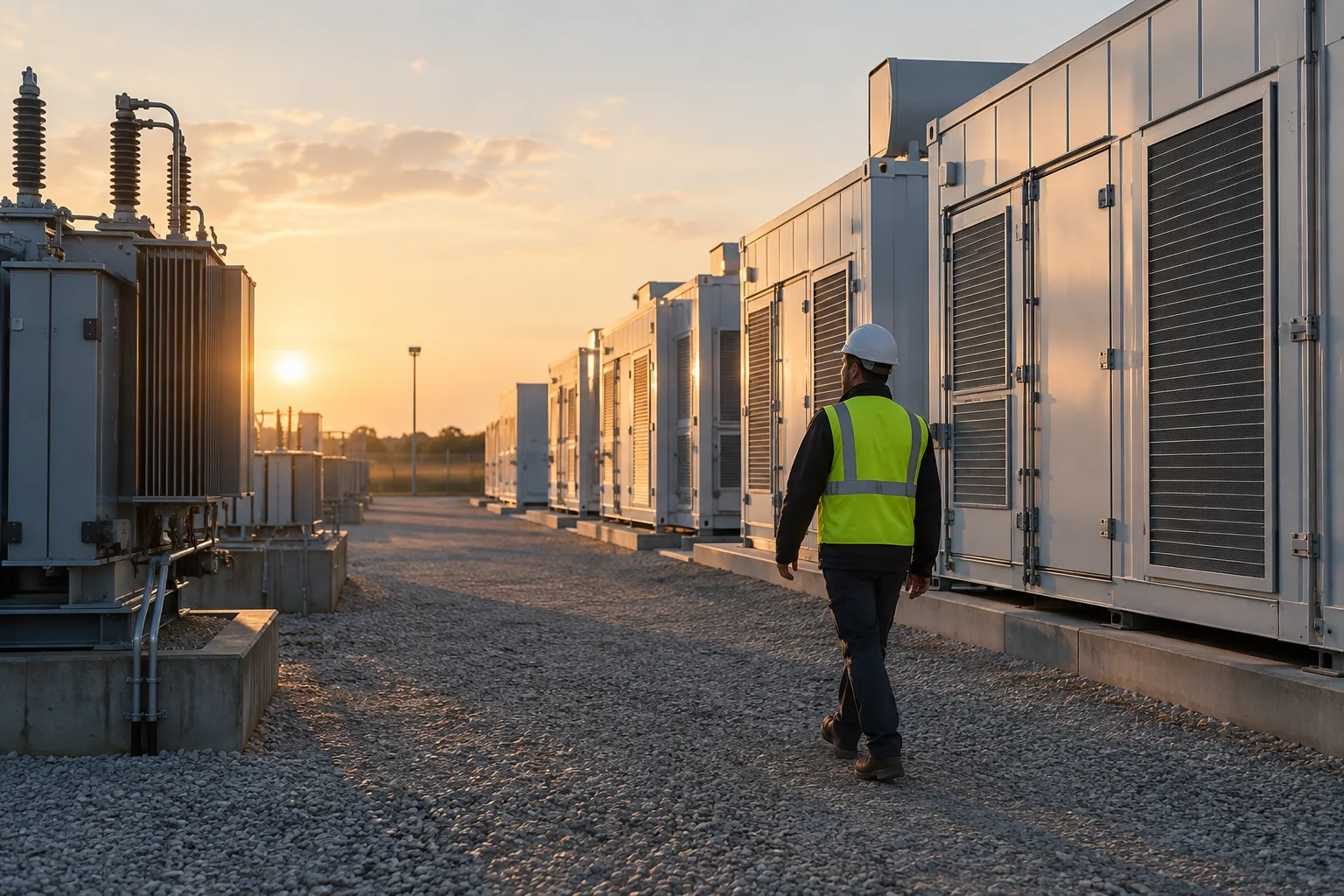
Systemic risk vectors multiply. U.S. utilities project double-digit annual load growth tied to data centers, straining grid capacity and exposing the sector to potential bottlenecks reminiscent of the shale boom’s growing pains. Geopolitical tensions—especially export controls on advanced GPUs—add a layer of supply fragility, while regulatory headwinds from Europe’s AI Act and evolving U.S. liability frameworks threaten to shift cost curves upward before revenue has matured.
Strategic Imperatives: Navigating the Crosscurrents of AI Mania
For corporate leaders, the message is clear: the era of “capability theater” must give way to rigorous cash-flow discipline. Tightening hurdle rates on AI projects and insisting on line-of-business P&Ls will be essential to surface latent losses and ground deployment in measurable productivity gains. Energy exposure, now a central variable, must be hedged through long-term power purchase agreements or onsite renewables—securing megawatt-hours may soon matter more than securing GPUs.
Investors and CFOs face their own gauntlet. Rebalancing toward overlooked beneficiaries of AI capex—such as power infrastructure, advanced packaging, and copper—while overlaying hedges on highly correlated megacap tech could provide ballast. Stress-testing liquidity under scenarios of sharp drawdowns and widening credit spreads is no longer optional, but essential.
Policy and regulatory stakeholders, meanwhile, must prepare countercyclical capital buffers, particularly for non-bank lenders exposed to AI infrastructure. Improved disclosure standards around AI-adjacent revenue will be vital to curbing valuation opacity and preventing crowding.
For technology vendors, the road ahead demands differentiation. Prioritizing low-OPEX architectures—edge inference, domain-specific models—and exploring usage-based pricing tied to customer ROI can help escape the coming compute price wars and ease investor concerns over unsold capacity.
The AI expansion stands at a crossroads: transformative investment wave or speculative mania? Should earnings delivery falter just as real rates remain elevated, the resulting repricing could propagate swiftly through concentrated equity indices, the energy complex, and sovereign funding markets. Those who insulate balance sheets, ground AI deployment in productivity, and diversify into upstream enablers will not only weather a correction—they may emerge as the sector’s true long-run winners.

 By
By


 By
By
 By
By
 By
By

 By
By