
The Unseen Front Line: Psychological Toll in the Age of Remote Warfare
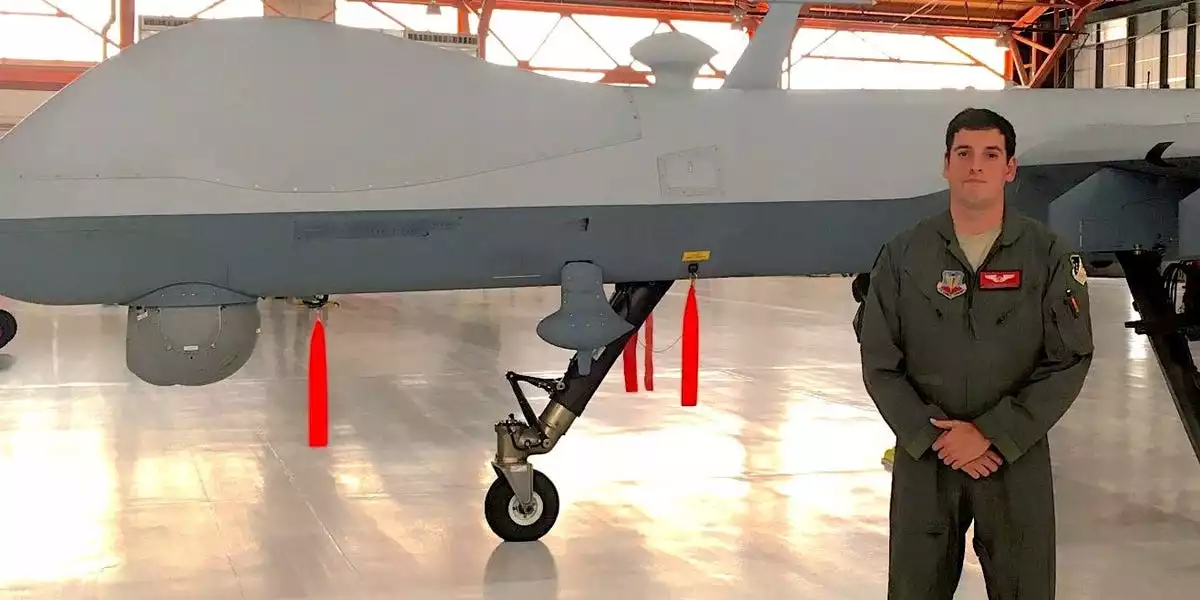
In the fluorescent-lit stillness of a 24/7 operations center, the future of warfare unfolds not with the roar of engines but with the quiet click of a mouse. Former U.S. Air Force staff sergeant Tanner Yackley’s account, shaped by more than 3,000 combat hours as a drone sensor operator, reveals a paradox at the heart of modern conflict: as the battlefield grows ever more remote, the psychological impact on those who wage war from afar grows ever more intimate. The story is not merely Yackley’s, nor is it confined to the military. It is a harbinger for every industry where high-consequence decisions are made at a distance, and where the human mind is asked to bear the weight of technological acceleration.
The Cognitive Burden Behind the Screen
The drone revolution has collapsed the distance between sensor and shooter, demanding that operators make split-second, life-or-death decisions while ensconced in the routines of shift work. The analogy to air-traffic control is apt, but the stakes are existential, not logistical. Operators like Yackley are tasked with persistent surveillance, pattern recognition, and, at times, the authorization of lethal force—all under the relentless cadence of a 24-hour cycle.
This environment produces a unique form of cognitive fatigue:
- Accelerated Decision Loops: The pace of sensor-to-shooter operations leaves little room for reflection, amplifying stress and moral injury.
- Circadian Disruption: Rotating shifts degrade decision accuracy by up to 20%, a figure that transforms scheduling from a human resources concern into a mission-critical risk.
- Moral Dissonance: The detachment of remote engagement paradoxically intensifies emotional fallout, as operators toggle between the banality of daily life and the gravity of their actions.
As Yackley’s subsequent burnout and post-traumatic stress illustrate, the human factor is the limiting reagent in the chemistry of remote warfare. The lag between technological advance and policy adaptation has created a silent crisis—one that advocacy groups like his “Remote Warrior” now seek to address.
Economic and Industrial Reverberations
The psychological toll of remote operations is not merely a matter of individual well-being; it is an emerging line item in the ledgers of both public and private sectors. Department of Defense estimates peg the annual direct medical cost of PTSD at $8,300 per service member—a figure that, when multiplied across thousands of remote operators, becomes a material consideration for defense contractors and policymakers alike.
The commercial drone sector, projected to reach $38 billion in global spending by 2027, faces a parallel challenge:
- Talent Squeeze: Demand for ISR analysts and UxV operators has soared 33% in five years, but burnout threatens to erode this critical workforce.
- Hidden Costs: Attrition and medical expenses must be priced into contracts, affecting competitiveness and profitability.
- Transferable Skills: Veterans of remote operations possess expertise in sensor fusion and real-time decision-making—skills directly applicable to industries from offshore energy to public-safety robotics.
For executive planners, these realities recast crew scheduling and mental-health support as not only ethical imperatives but also strategic differentiators.
Strategic Imperatives for the Remote-Operations Era
The shifting terrain of remote work—military and civilian alike—demands a recalibration of both governance and innovation. Public companies supplying autonomous systems are now scrutinized not just for their impact on civilian casualties, but for the well-being of the operators behind the screens. Social-license risk is evolving, with “collateral burnout” joining “collateral damage” as a metric of public concern.
Key imperatives emerge for leaders navigating this landscape:
- Embed Mental Health by Design: Fatigue-tracking dashboards, mandatory decompression cycles, and proactive mental-health programs must be built into operational requirements.
- Co-Invest in Ethical AI: Shifting human roles from direct engagement to supervisory oversight, supported by explainable AI, can alleviate cognitive strain while maintaining accountability.
- Develop Cross-Sector Talent Pathways: Partnerships with advocacy groups and fast-track certifications can translate military expertise into commercial readiness, addressing both labor shortages and ESG narratives.
- Anticipate New ESG Audits: Psychological sustainability will soon join carbon and labor practices in the next generation of corporate reporting.
The specter of reputational backlash and regulatory drag looms large. High-profile incidents of operator fatigue could prompt policy slowdowns, making “human-readiness level” as crucial as technological readiness in the race for autonomy.
Toward a Sustainable Future for Remote Operations
Yackley’s experience is not an isolated anomaly; it is an early warning for a world hurtling toward ever-greater reliance on remote and autonomous systems. The advantages of distance—operational safety, scalability, efficiency—can invert into liabilities when the human foundation is neglected. As the boundaries between warfighting, logistics, and industrial automation blur, the endurance of the operator becomes the critical variable.
Organizations that recognize this, treating mental health and cognitive resilience as systems requirements rather than afterthoughts, will not only safeguard their people—they will secure a durable edge in the unfolding era of remote operations. The future belongs to those who understand that, in the end, the most advanced technology is only as strong as the humans who wield it.

 By
By
 By
By
 By
By

 By
By


 By
By