
The Paradox of AI Prosperity: Capital Flows, Fragile Economics, and the Shape of Things to Come
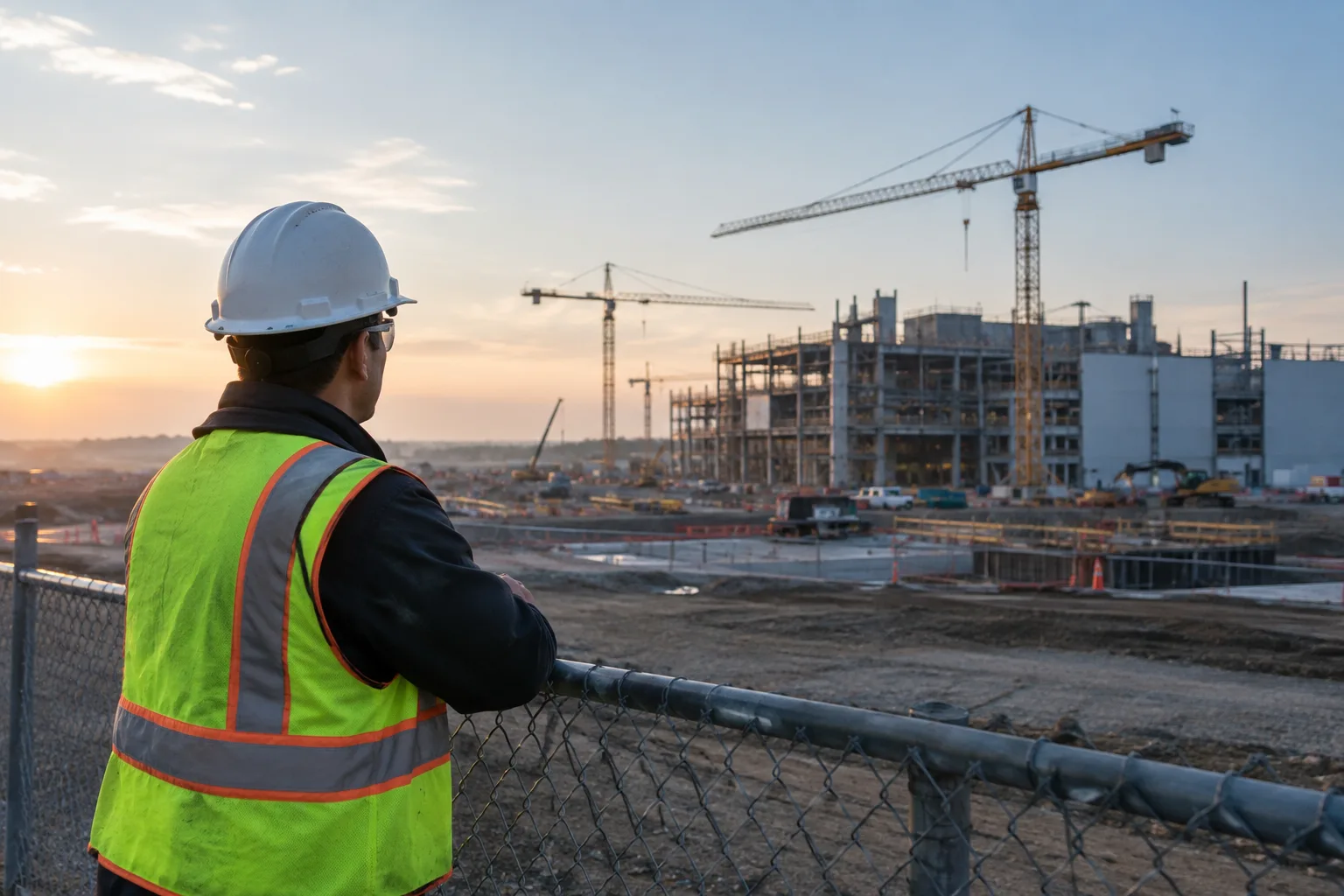
In the windswept expanse of West Texas, where data centers now rise from the same soil that once nurtured oil derricks, OpenAI’s Sam Altman recently offered a candid assessment of artificial intelligence’s economic trajectory. Altman’s remarks, delivered amid the hum of servers and the whir of cooling fans, distilled a central tension animating the AI sector: capital investment in AI is driving macroeconomic growth at a historic pace, even as the underlying economics of the industry remain unproven, and perhaps, unsustainable. This moment, equal parts exuberance and anxiety, compels business leaders to interrogate the durability of AI’s promise and the risks lurking beneath its glossy surface.
Capital Outlays and the New Industrial Build-Out
The numbers are staggering. According to the Wall Street Journal, AI infrastructure spending has recently contributed more to U.S. GDP growth than aggregate consumer spending—a reversal not seen since the postwar highway boom. This is not the familiar rhythm of a tech cycle; it is a capital-intensive industrial build-out, more reminiscent of railroads or fiber optics than smartphones or software. Nvidia, the undisputed kingpin of AI accelerators, now commands roughly 80% of global market share, while hyperscale cloud providers and sovereign entities jostle for scarce, long-lead-time chips.
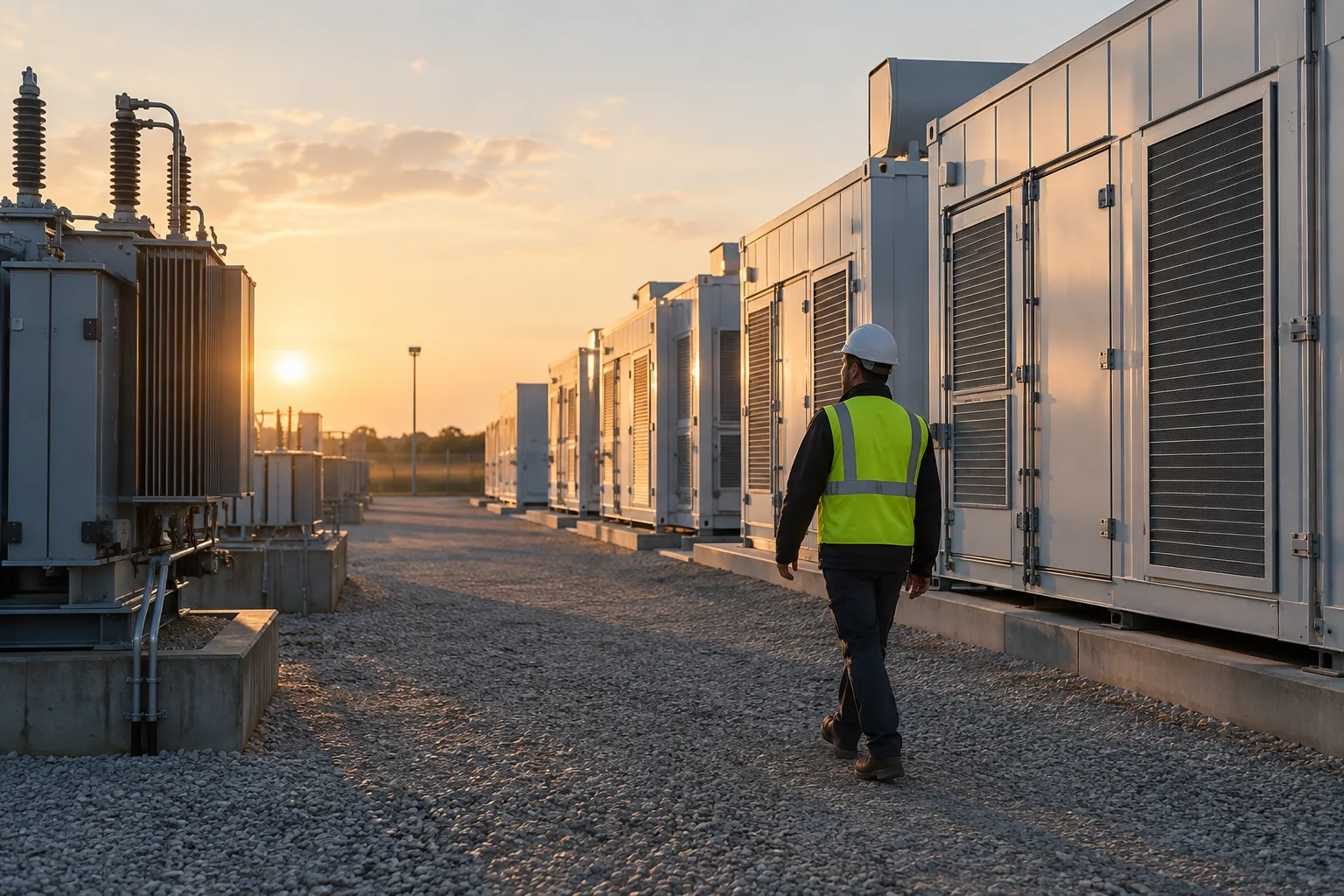
Geography, too, is being rewritten. The migration of compute centers to places like Abilene, Texas, is no accident. These regions offer abundant land, cheap renewables, and regulatory climates that recall the wildcatting days of early shale. The result is a kind of geographic arbitrage, where the new gold rush is measured not in barrels, but in petaflops and megawatts.
Yet, as capital pours in, the sector’s unit economics remain clouded. AI leaders capitalize massive GPU purchases, flattering near-term earnings, but the amortization schedules—three to five years—outstrip the competitive half-life of today’s frontier models, often just 12 to 18 months. This mismatch raises the specter of future write-downs, should the performance curve plateau or capital sentiment sour.
Technology’s Double-Edged Sword: Scale, Scarcity, and the Coming Pivot
The technological rationale for this spending spree is clear: super-linear gains from scaling model parameters still incentivize ever-larger GPU clusters. But with each incremental leap, the marginal cost—in electricity, cooling, and raw silicon—rises sharply. U.S. data-center power demand could double by 2030, a grid-level stress test that regulators and utilities are only beginning to confront.
Signs of an impending shift are visible. The rapid emergence of retrieval-augmented generation, sparse expert architectures, and neuromorphic accelerators suggests that the brute-force era may be peaking. The industry may soon pivot, as it did in the 1980s from mainframes to microcomputers, toward efficiency-led innovation. Those who invest early in modular, energy-efficient architectures could find themselves with a lasting competitive edge.
Strategic Imperatives: Moats, Integration, and the Volatility Ahead
For enterprise leaders, the implications are both daunting and actionable. The current AI boom is less about ephemeral app cycles and more about building durable, capital-intensive infrastructure. In this environment, power—literally—becomes a moat. Long-term renewable power purchase agreements, on-site generation, and partnerships with utilities may prove as defensible as proprietary data or algorithms. Texas, Arizona, and the Nordics are poised to become the new “compute ports,” anchoring the next phase of digital industry.
Vertical integration pressures are mounting. Hyperscalers are racing to develop custom silicon, seeking to escape Nvidia’s margin stack and derisk supply. Independent software vendors, reliant on third-party GPUs, face a fragile cost structure that could be upended by shifts in hardware economics or regulatory intervention. The specter of antitrust scrutiny looms, particularly if a downturn exposes the concentration risks inherent in the current supply chain.
Meanwhile, the labor market is already signaling change. The era of stratospheric salaries for foundational-model researchers may be drawing to a close, as capital tightens and attention shifts toward applied, ROI-centric domains such as industrial automation and healthcare diagnostics.
Navigating the Crosscurrents: Scenarios and Executive Guidance
The road ahead is uncertain, with plausible scenarios ranging from a soft landing—where scaling efficiencies and regulatory guardrails align—to a hard reset, where capital flight triggers asset write-downs and sectoral consolidation. A third path, shaped by energy bottlenecks and carbon constraints, could reorder the competitive landscape in favor of those with proprietary generation or ultra-efficient models.
For decision-makers, several imperatives emerge:
- Treat AI infrastructure like industrial assets: GPU clusters are power plants, not laptops; capital discipline is paramount.
- Prioritize energy strategy: Secure long-term power, invest in efficiency, and anticipate regulatory shifts.
- Build for volatility: Structure partnerships and procurement for flexibility, not perpetual growth.
- Focus on strategic necessity: Profit neutrality does not negate the need for AI capability—table stakes are rising across every sector.
As with railroads, electricity, and the internet, the early excesses of AI investment may one day be dwarfed by its enduring contributions. The winners will be those who navigate the turbulence with foresight, discipline, and a clear-eyed view of both risk and opportunity—a lesson not lost on the most forward-thinking research organizations, including those at the frontier of AI innovation.

 By
By
 By
By

 By
By
 By
By
 By
By