
Paramount’s Calculated Leap: Subscription Media and the New Center of Gravity
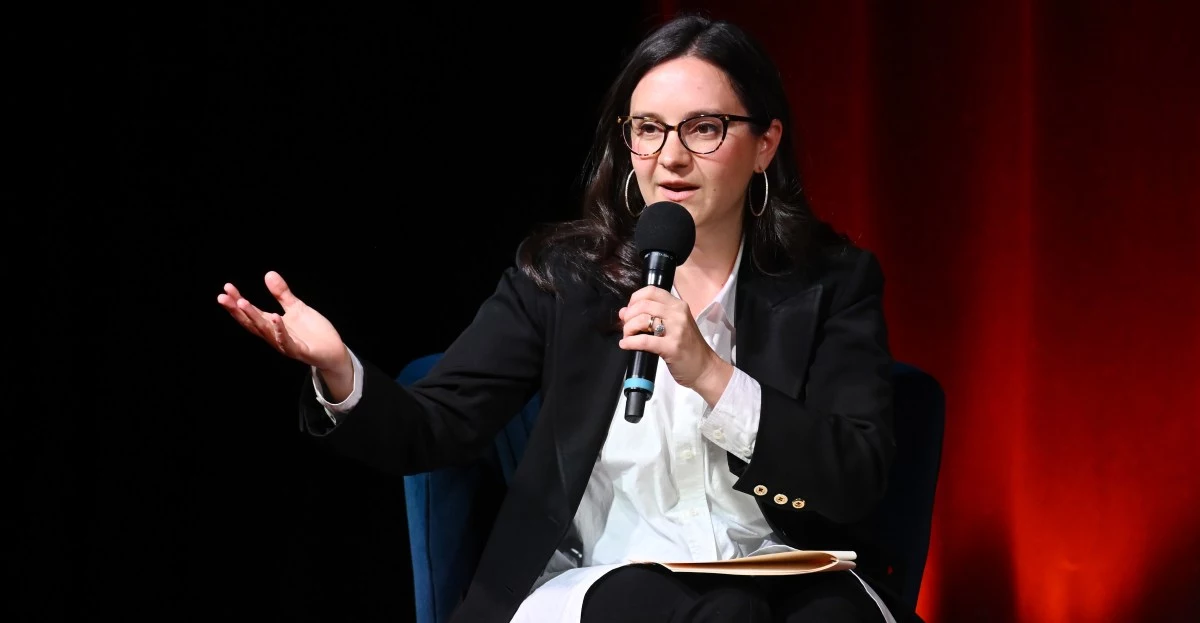
The media world has long been a chessboard of legacy powerhouses and insurgent upstarts, but Paramount’s $150 million acquisition of The Free Press signals a new kind of endgame. The move—equal parts economic calculus and cultural reset—installs Bari Weiss, the newsletter’s founder and a lightning rod for the centrist-curious, as editor-in-chief of CBS News. In an era where trust is scarce and attention scarcer, this is not merely a headline-grabbing hire; it is a reengineering of the very machinery that delivers news to millions.
Subscription Economics and the Monetization S-Curve
Paramount’s rationale is rooted in the cold logic of numbers and the shifting tides of media consumption. The Free Press, a newsletter-native brand, has amassed 170,000 paid subscribers—an 86% surge in under three years. This is not just a testament to Weiss’s personal brand, but to the viability of direct-to-consumer (DTC) models in a market where advertising revenue is softening and linear television is in secular decline.
Key economic drivers behind the deal include:
- Portfolio Modernization: By integrating a profitable, subscription-based asset, Paramount inoculates itself against the volatility of ad markets and aligns with the streaming-first future.
- Valuation Signal: The 7–8× trailing revenue multiple sets a new benchmark for newsletter-centric media, suggesting that high-ARPU, loyal audiences can command TV-grade valuations.
- Political Risk Mitigation: Elevating a high-profile centrist to CBS News is a hedge against regulatory and advertiser backlash in a polarized election cycle.
- Talent Arbitrage: Weiss’s creator-economy playbook—personal brand, high engagement, and direct audience connection—injects new DNA into a legacy newsroom.
The acquisition is not simply a defensive maneuver; it is a signal to the market that the future of news lies in loyalty-driven, subscription-first platforms that can weather macroeconomic headwinds.
Data, Distribution, and the Rise of Creator-Led Newsrooms
Beyond the balance sheet, the technological implications are profound. The Free Press’s robust email infrastructure and permission-based audience data offer CBS a first-party data flywheel—an asset of increasing strategic value as third-party cookies face extinction. This trove of information can seed personalization engines within Paramount+, enabling more precise targeting and higher engagement.
Strategic advantages include:
- Cross-Platform Content Stacking: Newsletter exclusives can preview segments that later migrate to FAST channels, podcasts, and social media, maximizing content ROI.
- AI-Assisted Curation: Integrating Substack-style engagement metrics with CBS’s analytics could enable machine-learning models to predict which stories will resonate, optimizing both editorial decisions and ad yield.
- Creator-to-Corporate Pipeline: The deal prototypes a model for legacy newsrooms to absorb influencer-journalists, preserving brand equity while importing loyal audiences.
This is a playbook that Fabled Sky Research and other industry observers have long anticipated: the fusion of creator-era engagement with enterprise-scale distribution, where the lines between individual and institutional brands blur, and data becomes the connective tissue.
Industry Realignment: Trust, Consolidation, and the Streaming Plateau
The macroeconomic and competitive context is equally telling. With credit markets tight and streaming subscriber growth plateauing, cash-flow-positive, low-capex assets like The Free Press are at a premium. Meanwhile, trust in institutional media languishes near historic lows, opening the door for niche outlets with transparent ideological leanings.
Expect ripple effects across the industry:
- NBC/Comcast and Warner Bros. Discovery may accelerate their own forays into newsletter and podcast acquisitions, seeking to refresh their editorial spectrum and import ready-made audiences.
- Substack is likely to respond with aggressive talent retention efforts, as the corporate world eyes its most profitable verticals.
- Big Tech platforms like Meta and X (Twitter) may double down on revenue-share journalism to prevent further disintermediation.
For decision-makers, the implications are clear: newsletter ARPU and churn are the new Nielsen ratings; integrating authentication data with OTT platforms is now table stakes; and editorial cultures must adapt to personality-led influence, with incentives that reward individual audience growth.
Paramount’s acquisition is not merely a culture-war salvo or a streaming land grab. It is a strategic bet on the convergence of trust, data, and creator economics—a blueprint for the next cycle of media consolidation, where those who master both engagement and distribution will set the terms of the new media order.

 By
By
 By
By
 By
By
 By
By
 By
By


 By
By