


The New Managerial Order: Discipline, Data, and the Reforging of Workplace Culture
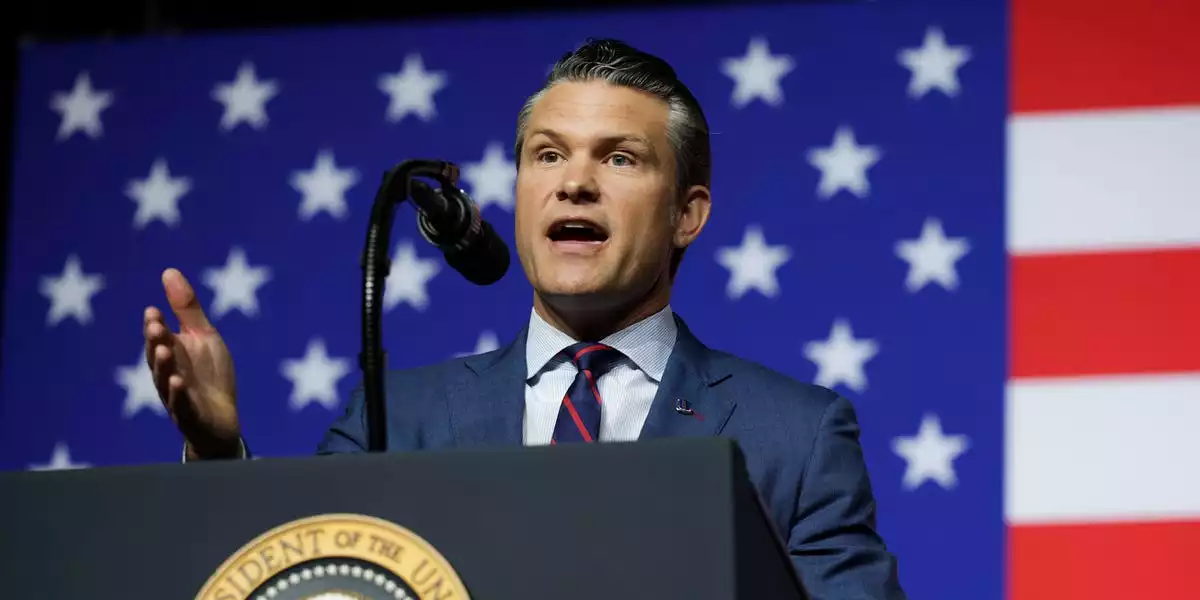
A subtle but seismic shift is underway across America’s most influential institutions. In the corridors of the Pentagon and the glass towers of the Fortune 500, a new managerial doctrine is taking root—one that prizes measurable output, visible discipline, and collective identity above the pandemic-era pieties of flexibility and sentiment. Defense Secretary Pete Hegseth’s unapologetic insistence on fitness and grooming, and the willingness to accept resignations from dissenters, finds its corporate mirror in AT&T CEO John Stankey’s campaign to restore in-office performance models. These moves are not isolated acts of executive will; they are the leading edge of a broader recalibration driven by macroeconomic, technological, and geopolitical forces.
The Economic and Technological Drivers of Cultural Retrenchment
The labor market, once a worker’s paradise, is tightening its grip. Unemployment’s slow climb from historic lows has inverted the pandemic’s power asymmetry. Employers, emboldened by a slackening job market and moderating wage inflation, are rediscovering their leverage—not only over compensation, but over the very norms that govern daily life at work. This shift is freeing up capital for investments in productivity-enhancing technologies: AI-powered collaboration suites, digital performance dashboards, and biometric wearables.
- AI and Data Analytics as Enforcers:
The technology to quantify everything from physical readiness to collaboration is now mature. Wearables monitor fitness and grooming; cloud-based analytics track productivity in granular detail. What was once the province of intuition—team cohesion, morale, even “culture fit”—is being rendered legible and actionable. The “soft” mandates of culture are hardening into KPIs, with measurable consequences for those who fall short.
- Shareholder Demands and the Cost of Capital:
Higher interest rates have raised the bar for new investments, compelling executives to extract more from existing headcount. Analysts are rewarding those who demonstrate ironclad cost discipline and ROI on talent spend. In this environment, a stricter culture is not just a preference—it is a financial imperative.
Wartime Mindset: From the Pentagon to the Boardroom
The Department of Defense’s rebranding as the “Department of War” is more than a rhetorical flourish; it signals an institutional pivot from mere readiness to active preparation for conflict. Corporations, facing existential threats from digital disruptors and geopolitical fragmentation, are importing this sense of urgency. The zero-tolerance stance on non-compliance reframes debates around “toxic leadership”—what was once seen as rigidity is now recast as accountability, mission-critical and non-negotiable.
- Rebuilding Cohesion in Fragmented Workforces:
The pandemic atomized social capital. Remote work, for all its conveniences, eroded the esprit de corps that underpins synchronized execution—whether in combat theaters or AI-driven product cycles. The enforcement of grooming, fitness, and in-office presence is less about nostalgia for old norms and more about restoring the collective identity needed for rapid, decisive action.
- Risks of Overcorrection:
Not all talent responds equally to discipline. Highly skilled engineers, cyber-operators, and other linchpins retain bargaining power and may defect to more flexible environments if the pendulum swings too far. Meanwhile, clearer expectations may boost the productivity of the broader workforce. The challenge for leaders is to calibrate standards without triggering a silent exodus of high-impact contributors.
Strategic Imperatives for the Modern Executive
As this new doctrine takes hold, decision-makers face a set of urgent imperatives:
- Instrumenting Culture:
Invest in systems that translate cultural edicts into quantifiable outcomes—biometric wearables for physical readiness, sentiment analytics for morale, and transparent OKR dashboards. But pair this with robust data governance to head off privacy and compliance risks.
- Differentiating by Role:
A one-size-fits-all approach is a recipe for talent flight. Mission-critical and security-sensitive roles may require maximum standardization, but creative and R&D teams should be granted controlled autonomy. This tiered model balances rigor with the flexibility needed to retain top performers.
- Integrating Human and Digital Performance:
Link physical readiness with digital identity, enabling seamless access and real-time dashboards that enhance both security and productivity. Generative AI can personalize upskilling, turning strict standards into career accelerators rather than punitive hurdles.
- Anticipating Policy and Geopolitical Spillovers:
A disciplinarian model may invite legislative scrutiny or regulatory backlash. Cross-functional task forces—spanning legal, HR, and operations—should stress-test policies for resilience. Geopolitical shifts, too, can ripple into supply chains and technology budgets, demanding agile scenario planning.
The Window for Balanced Reinvention
This pivot to stricter standards is not a nostalgic return to command-and-control, nor a knee-jerk reaction to post-pandemic malaise. It is a strategic adaptation to the realities of a more competitive, measurable, and security-conscious era. The leaders who succeed will be those who operationalize discipline with nuance—segmenting talent, leveraging data, and framing rigor as a pathway to growth. Those who default to blunt enforcement risk losing the very talent and trust on which future readiness depends. The opportunity to forge a new, quantifiable performance culture is open—but it will not remain so for long.

 By
By
 By
By
 By
By
 By
By
 By
By
 By
By

 By
By







