
Starbucks’ Calculated Contraction: Navigating Risk, Labor, and the New Retail Geography
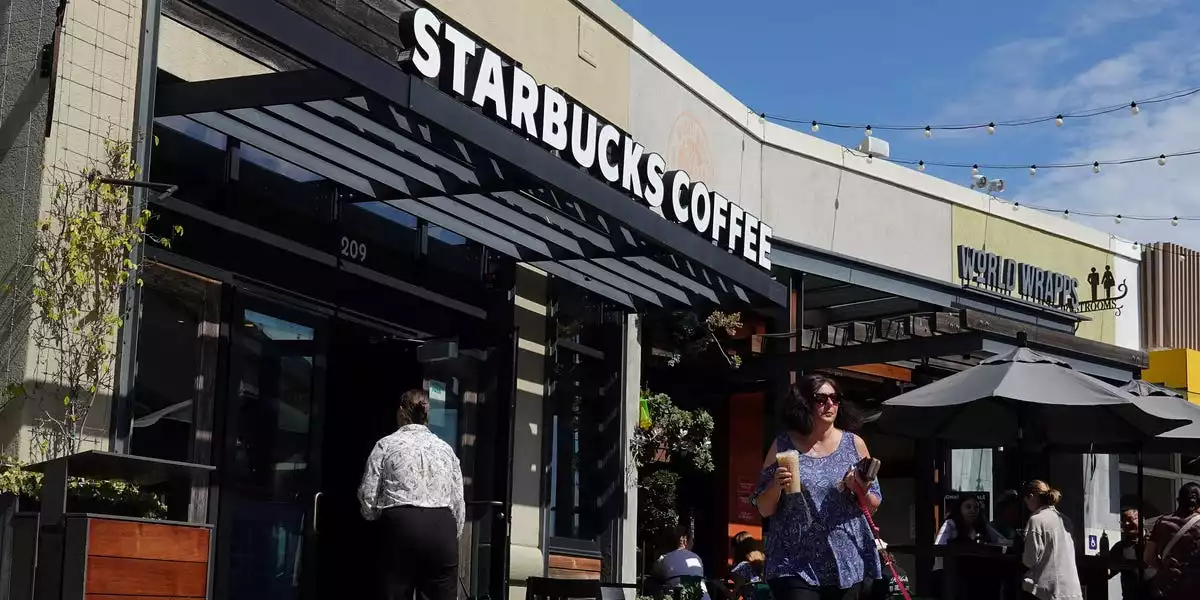
The aroma of Starbucks has long been synonymous with ubiquity—a third place on every corner, a familiar green siren beckoning commuters and students alike. Yet, beneath the hum of espresso machines, a subtle recalibration is underway. Starbucks’ decision to shutter just over 100 of its company-operated U.S. cafés—a mere 1% of its domestic footprint—signals not a retreat, but a nuanced response to the shifting tectonics of American retail, labor, and urban life.
The closures, while modest in scale, are paired with a $1 billion outlay, of which $150 million is earmarked for separation benefits that far exceed industry norms. This is not the blunt instrument of cost-cutting, but a scalpel in the hands of a company keenly aware of its brand, its workforce, and the evolving demands of its customers.
Portfolio Pruning and the Rise of Digitally Native Formats
Starbucks’ contraction is surgical, targeting underperforming or high-risk locations—those buffeted by shifting commuter patterns, rising rents, or urban safety concerns. This mirrors a broader “shrink to grow” philosophy now animating global retail giants. Target, Walgreens, and Walmart have all trimmed urban footprints while doubling down on high-yield suburban and drive-thru formats.
For Starbucks, the closures are less about demand erosion and more about portfolio optimization. The capital released will be funneled into the next generation of stores—drive-thru, pick-up, and delivery-only venues engineered for the mobile-first consumer. Already, over 70% of U.S. transactions at peak hours flow through digital channels. The legacy café, once a cathedral of in-person connection, is giving way to a constellation of frictionless, tech-enabled outposts.
This migration is not merely aesthetic. Store rationalization unlocks balance-sheet capacity for investments in automated cold-beverage stations, Merrychef ovens, and AI-powered scheduling tools. The “Reinvention Plan” aims to lift hourly partner productivity by up to 20% over three years, reimagining the barista’s role in an era where convenience and customization are king.
Labor Strategy as Brand Equity and Competitive Leverage
In a labor market where U.S. unemployment hovers below 4% and voluntary turnover in food service remains stubbornly high, Starbucks’ severance program is both shield and signal. Up to 26 weeks of pay for store leaders, continued health coverage through October, and robust transfer assistance—these are not the hallmarks of a company in retreat, but of one investing in its social license to operate.
This generosity serves multiple ends:
- Retention and Redeployment: By easing transitions, Starbucks preserves the option to redeploy trained staff, sidestepping the costs of fresh hiring and onboarding.
- Union Dynamics: As unionization efforts expand, setting a high severance benchmark signals goodwill and could influence future bargaining postures.
- Reputational Risk Management: Standardized packages and adherence to regulatory guidelines (such as the OWBPA-mandated 45-day review period) limit litigation risk and allegations of favoritism.
The ripple effects are already being felt. Competitors face mounting pressure from labor-focused investors to match or justify their own policies. In the age of ESG and heightened human-capital disclosure, Starbucks’ transparency may even translate into improved ESG ratings and lower financing costs.
Real Estate, Data, and the Art of Strategic Exit
The closure of legacy cafés is more than a matter of shuttered doors; it is an exercise in real-estate arbitrage and data-driven learning. Starbucks’ proprietary Atlas geospatial modeling, long used for site selection, now gains a trove of “negative data”—locations where forecasts faltered in the wake of pandemic-era behavioral shifts. Machine learning applied to these counterfactuals will sharpen future placement, not only for Starbucks but for its licensees and, by extension, the broader retail sector.
Meanwhile, surplus urban leaseholds become opportunities. Sub-leasing to dark-kitchen operators or rapid-commerce players transforms liabilities into income streams, keeping Starbucks embedded in the last-mile delivery ecosystem without the overhead of a full-service café.
The Broader Playbook for Retail Decision-Makers
Starbucks’ maneuver offers a template for peers navigating the same crosscurrents:
- Pressure-test store portfolios against hybrid work patterns and evolving urban realities.
- Re-engineer labor economics in anticipation of rising separation costs, especially in unionizing segments.
- Accelerate automation to offset wage inflation and boost sales per labor hour.
- Integrate human-capital and brand strategy—every employment decision now reverberates through the lens of consumer affinity and social media.
- Exploit real-estate optionality by partnering with micro-fulfillment or EV charging operators, hedging against foot-traffic volatility.
As macro headwinds—higher interest rates, shifting consumer behavior—continue to buffet the sector, Starbucks’ calculated contraction stands as a case study in turning short-term disruption into long-term strategic advantage. The company’s willingness to invest in both people and technology, while pruning its portfolio with precision, offers a roadmap for retailers seeking resilience in an era where change is the only constant.

 By
By
 By
By
 By
By
 By
By
 By
By
 By
By
 By
By