
The AI Infrastructure Surge: A New Economic Engine with Fragile Foundations
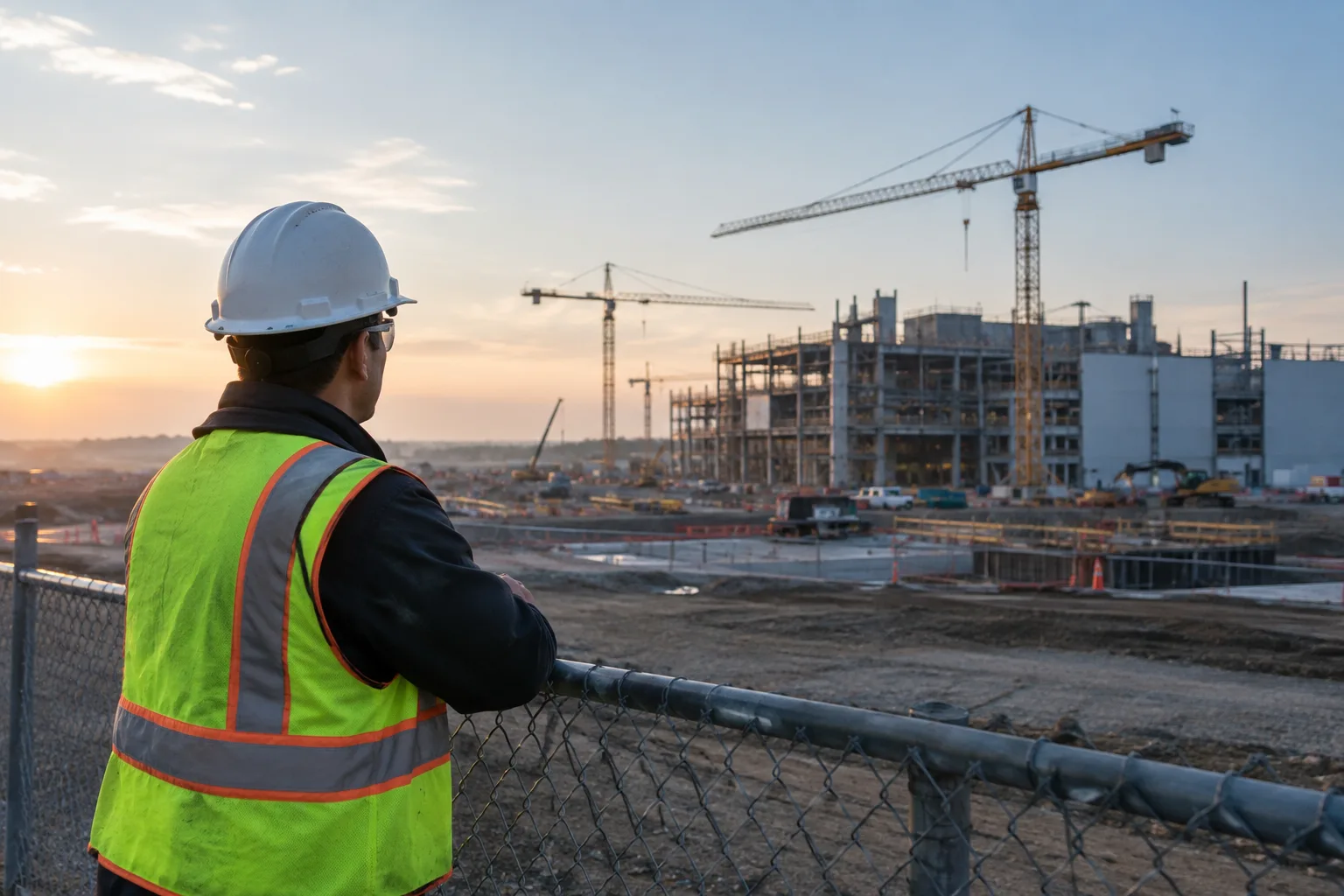
The United States finds itself at a remarkable economic crossroads, propelled not by the familiar engines of consumer demand or manufacturing prowess, but by the feverish construction of artificial intelligence (AI) infrastructure. Economists from Deutsche Bank estimate that, in 2024, AI-related capital expenditures have contributed more to real GDP than the sum total of consumer spending—a statistic that would have seemed fanciful just a few years ago. Yet beneath this headline momentum, a deeper and more nuanced story unfolds: one of immense promise, but also of imbalance, risk, and the specter of unsustainable growth.
Silicon Dreams and the Reality of Deployment
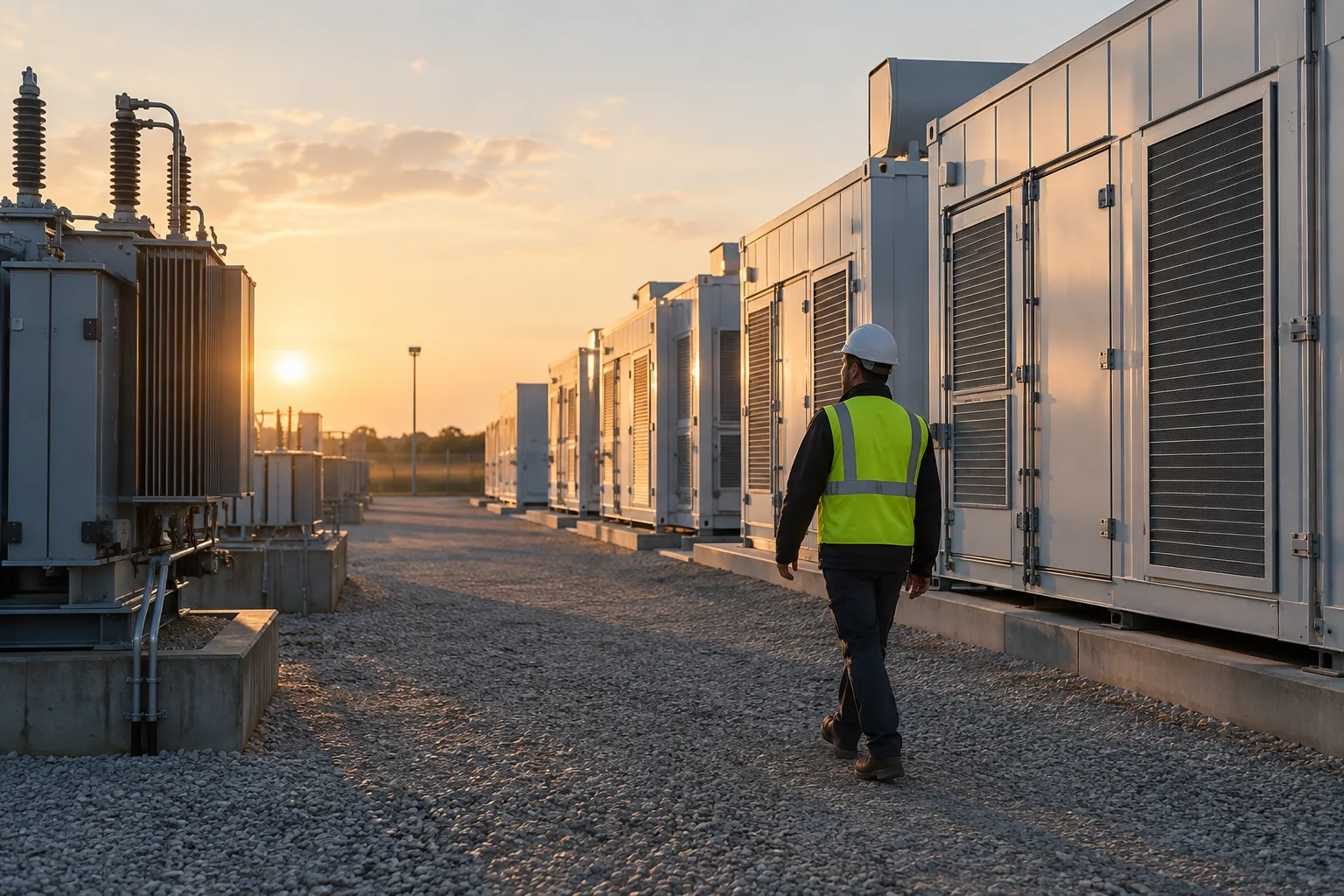
The current wave of economic expansion is being driven by a capital-heavy, infrastructure-led cycle. The epicenter is not the software suites or digital platforms that defined the last tech boom, but the physical underpinnings of AI: silicon, data centers, power distribution networks, and a constellation of specialized service contracts. The compute-intensive demands of large language models and generative AI have created an insatiable appetite for high-end GPUs, advanced packaging, and bespoke networking—domains dominated by a narrow cadre of vendors.
Yet, for all the billions poured into hardware, the commercial reality lags behind the technological ambition. Field studies reveal that over 70% of generative AI pilots require significant human intervention, stalling scalability and diluting return on investment. Meanwhile, energy consumption is rising faster than efficiency gains, pushing the cost-to-serve ever higher. The much-vaunted productivity gains remain, for now, more aspiration than actuality—a gap that grows more consequential as capital outlays continue their parabolic ascent.
Concentration, Timing, and the Macro Feedback Loop
The economic risks embedded in this AI infrastructure surge are not merely technical—they are systemic. Market capitalization among the top five technology firms now rivals levels last seen during the dot-com era, with their contribution to S&P 500 earnings growth exceeding 80%. This concentration renders the broader market acutely sensitive to any sector-specific shock; a stumble by a single AI infrastructure giant could ripple through equity indices, pension funds, and credit markets with alarming speed.
Moreover, the timing of capital expenditures versus revenue realization is fundamentally inverted compared to previous tech cycles. Where software once delivered early, asset-light returns, today’s AI wave is front-loaded with massive cap-ex and only the promise of eventual monetization. Should revenue per watt of compute fail to rise sharply by 2026, the risk of write-downs—reminiscent of the early-2000s telecom fiber glut—looms large.
The macroeconomic feedback loops are equally precarious. If AI cap-ex growth flattens, GDP could slow abruptly, challenging the Federal Reserve’s carefully managed soft-landing narrative. Labor markets, already under pressure from automation anxieties, may soften further if the anticipated productivity offsets do not materialize, complicating the already fraught inflation outlook.
Strategic Imperatives in an Era of Uncertainty
For corporate boards and investors, the implications are profound. AI investment plans must be rigorously stress-tested against scenarios of delayed monetization and escalating energy costs. Weighted-average cost of capital calculations should reflect not only rising policy rates but also the potential for carbon pricing and regulatory intervention. Diversification—both in supply chains and portfolio exposure—is now a strategic imperative. Firms would be wise to look beyond the dominant GPU vendors, exploring alternatives such as ASICs, RISC-V, and hybrid architectures to mitigate pricing power risk.
Talent strategy is shifting as well. The premium is no longer solely on model training expertise, but increasingly on integration, data governance, and the orchestration of AI within existing workflows. Late adopters of cloud technology may find themselves unexpectedly well-positioned to leapfrog competitors by focusing on pragmatic, workflow-driven AI deployments rather than costly, greenfield builds.
Regulatory and energy overhangs add further complexity. The EU AI Act, U.S. executive orders, and China’s export controls are poised to reshape the cost curve, while energy regulators in states like Texas and Virginia debate surcharge structures for data-center-induced grid strain—a variable too often overlooked in return-on-investment calculations.
Hidden Beneficiaries and Forward-Looking Scenarios
The reverberations of this infrastructure surge extend well beyond the technology sector. Utilities, for example, are quietly emerging as indirect beneficiaries, as AI-driven power demand revives long-dormant generation projects. Infrastructure funds and specialized REITs stand to gain from this unexpected tailwind. Meanwhile, ESG scrutiny is intensifying around the carbon footprint of AI inference workloads, with implications for access to green financing. Even insurance markets are feeling the impact, as the proliferation of AI-enabled systems inflates cyber risk premiums and erodes anticipated efficiency gains.
Looking ahead, the spectrum of possible outcomes is wide. In the most probable scenario, AI cap-ex growth decelerates, productivity benefits begin to seep into key sectors, and GDP moderates without tipping into recession. More optimistic projections envision breakthroughs in model efficiency and monetization, closing much of the current revenue gap by 2030. The darker scenario, however, sees hardware bottlenecks persist, regulatory friction intensify, and generative AI adoption stall—echoing the painful unwind of the post-dot-com era.
For leadership teams, the mandate is clear: insist on use-case profitability, hedge against concentration risk, explore collaborative infrastructure models, and engage proactively with evolving policy and standards. The infrastructure boom may be carrying the U.S. economy for now, but only strategic discipline and diversified foresight will ensure that today’s investment surge yields lasting, broad-based economic value.

 By
By
 By
By

 By
By
 By
By
 By
By

 By
By